

Are hoverboards safe? This seems to be the burning question on everyone’s minds as reports of hoverboards catching on fire have become increasingly common. In this article, we will delve into the science behind why hoverboards catch on fire and provide important safety tips to help you navigate the potential dangers of these popular devices. So, buckle up (but maybe not on your hoverboard) and let’s dive into the world of hoverboard safety!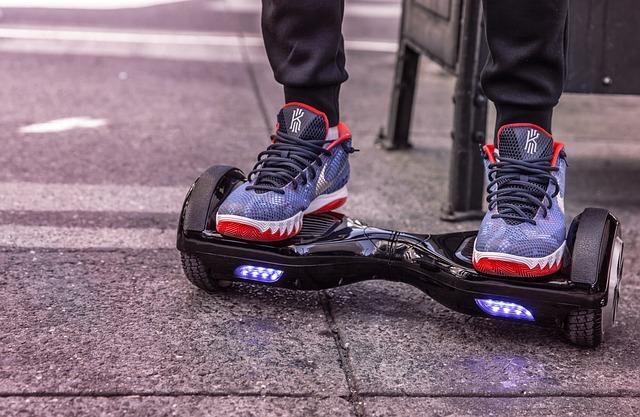
Contents
- Common causes of hoverboard fires
- The importance of proper charging
- Recommendations for safe hoverboard use
- Understanding the role of lithium-ion batteries
- Signs that your hoverboard may be at risk
- Safety tips for storing your hoverboard
- The potential dangers of counterfeit hoverboards
- How to properly maintain your hoverboard
- Why Do Hoverboards Catch on Fire? Safety Alert
- Proper disposal of old or damaged hoverboards
- Key factors to consider when buying a hoverboard
- How to respond in case of a hoverboard fire
- Closing Remarks
- Perfect for Preteens: Hoverboard for 11 Year Olds
- Ultimate Balance: Best Self-Balancing Hoverboard - Explore Now
- What's the Best Hoverboard Brand? Expert Reviews
- A Real Hoverboard That Flies: Turn Fantasy into Reality
- How to Reset a Gotrax Hoverboard: Troubleshooting Guide
- How Fast Are Hoverboards? Speed Testing and Comparisons
Common causes of hoverboard fires
Hoverboard fires can be quite dangerous and understanding the common causes can help prevent accidents. Here are some reasons why hoverboards catch on fire:
- Overcharging: Leaving a hoverboard plugged in for too long can cause overheating and potentially lead to a fire.
- Low-quality batteries: Inferior batteries can be more prone to malfunctions and short circuits, increasing the risk of a fire.
- Physical damage: Dropping or hitting a hoverboard can damage the internal components, including the battery, and increase the chances of a fire.
- Counterfeit products: Purchasing knock-off or counterfeit hoverboards can mean they are not made with the same safety standards, making them more likely to catch on fire.
| Cause | Risk |
|---|---|
| Overcharging | Overheating and fire |
| Low-quality batteries | Short circuits and fire hazards |

The importance of proper charging
When it comes to hoverboards, proper charging is crucial in ensuring the safety of the device and the user. Many incidents of hoverboards catching on fire have been reported, with the main culprit being improper charging practices. Here are some key reasons why proper charging is essential:
- Battery Health: Overcharging or undercharging can significantly reduce the overall lifespan of the battery and potentially lead to overheating.
- Manufacturer Guidelines: Follow the manufacturer’s guidelines for charging the hoverboard to prevent any damages or malfunctions.
- Fire Hazard: Improper charging can result in a short circuit, leading to a fire hazard that can put lives and property at risk.
| Proper Charging | Improper Charging |
|---|---|
| Use the provided charger. | Using a non-compatible charger. |
| Charge in a well-ventilated area. | Charging near flammable materials. |
| Remove the hoverboard from charging once fully charged. | Leaving the hoverboard plugged in for extended periods. |
Overall, taking the time to charge your hoverboard properly can go a long way in preventing dangerous situations and ensuring the longevity of your device. Remember to always prioritize safety when it comes to using and charging your hoverboard.

Recommendations for safe hoverboard use
Hoverboards have become a popular mode of transportation for many individuals, but recent safety concerns have been raised regarding their potential fire hazards. It’s important to understand why hoverboards catch on fire and how to prevent accidents from happening. Here are some :
- Do not overcharge: Avoid leaving your hoverboard plugged in for extended periods of time beyond the recommended charging duration.
- Use the manufacturer’s charger: Always use the charger that comes with your hoverboard to ensure compatibility and reduce the risk of overheating.
- Avoid extreme temperatures: Do not expose your hoverboard to extreme heat or cold, as this can impact the battery’s performance and increase the risk of fire.
- Regularly inspect your hoverboard: Check for any signs of damage, overheating, or unusual noises while using your hoverboard. If you notice any issues, stop using it immediately and have it inspected by a professional.
| Issue | Solution |
|---|---|
| Overcharging | Avoid leaving your hoverboard plugged in for extended periods of time beyond the recommended charging duration. |
| Using incompatible charger | Always use the charger that comes with your hoverboard to reduce the risk of overheating. |
| Exposure to extreme temperatures | Avoid exposing your hoverboard to extreme heat or cold to prevent battery issues. |
| Not inspecting hoverboard regularly | Regularly check for any signs of damage, overheating, or unusual noises to prevent accidents. |
Understanding the role of lithium-ion batteries
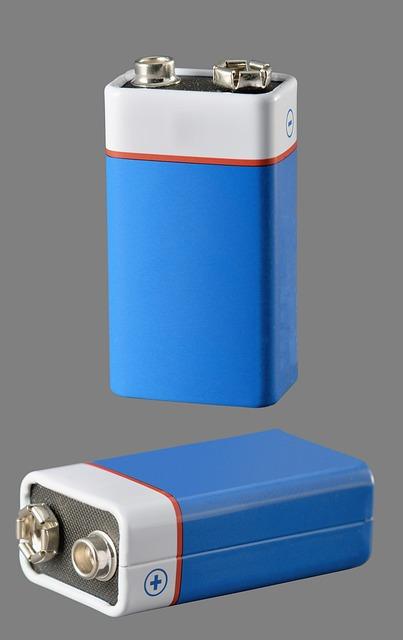
Lithium-ion batteries are the powerhouse behind many of our modern gadgets and devices. From smartphones to electric vehicles, these batteries are everywhere. But why do they sometimes catch on fire, like in the case of hoverboards?
One of the main reasons for lithium-ion batteries catching on fire is due to internal short circuits. This can happen if the separator between the positive and negative electrodes becomes damaged, causing them to come into direct contact and short-circuit the battery.
Another factor that can lead to fires is overcharging. When a lithium-ion battery is overcharged, the ions inside can react in an uncontrolled manner, generating heat and potentially causing a fire. This is why it’s crucial to always follow manufacturer recommendations for charging your devices.
To prevent accidents, it’s important to handle lithium-ion batteries with care and follow safety guidelines. Avoid exposing them to extreme temperatures, overcharging them, or physically damaging them. By and being cautious, we can enjoy the benefits of our devices safely.
Signs that your hoverboard may be at risk
If you own a hoverboard, it’s important to be aware of the of catching on fire. Below are some warning signs to look out for:
- Overheating: If your hoverboard feels excessively hot to the touch after use, it could be a sign that the battery is overheating.
- Unusual noises: Strange sounds coming from your hoverboard, such as hissing or popping, could indicate a potential fire hazard.
- Swollen or bulging batteries: If the batteries on your hoverboard appear bloated or misshapen, it’s a red flag that they may be compromised.
- Smoke or sparks: Any visible smoke or sparks while charging or riding your hoverboard should be taken seriously and addressed immediately.
It’s crucial to take these warning signs seriously and address any potential safety issues with your hoverboard promptly. Ignoring these signals could lead to dangerous situations, including fires or explosions. If you suspect that your hoverboard may be at risk, discontinue use and contact the manufacturer or a professional for further guidance.

Safety tips for storing your hoverboard
Ensuring the safety of your hoverboard is crucial, especially when it comes to storing it properly. Here are some tips to help prevent accidents or fires:
- Keep it away from combustible materials: Store your hoverboard away from flammable items such as fabric or paper to reduce the risk of fire.
- Avoid extreme temperatures: Store your hoverboard in a cool, dry place away from direct sunlight or extreme heat to prevent battery damage.
- Charge it fully before storage: Make sure your hoverboard is fully charged before storing it to avoid overcharging and potential fire hazards.
| Do | Don’t |
|---|---|
| Store in a cool, dry place | Store near flammable materials |
| Keep fully charged before storage | Overcharge the battery |
By following these safety tips, you can ensure the longevity of your hoverboard and reduce the risk of accidents or fires. Remember, safety should always be a top priority when it comes to storing any electronic device.

The potential dangers of counterfeit hoverboards
Counterfeit hoverboards have become a concerning issue in recent years due to their potential dangers to consumers. These knock-off products often lack the proper safety features and quality control measures that reputable brands have in place. As a result, they pose serious risks such as catching on fire or exploding.
Why do hoverboards catch on fire?
- Counterfeit hoverboards may be made with substandard components that are prone to overheating.
- The lithium-ion batteries used in these knock-offs may be of poor quality and not properly regulated, leading to thermal runaway.
It’s crucial for consumers to be aware of these risks and to only purchase hoverboards from trusted retailers. Ensuring that the product meets safety standards and certifications can help prevent accidents and injuries. Remember, the safety of yourself and your loved ones should always come first when choosing any kind of electric device.
How to properly maintain your hoverboard
Why Do Hoverboards Catch on Fire? Safety Alert
It’s crucial to understand the potential dangers of using hoverboards and take the necessary precautions to prevent accidents and fires. One common reason why hoverboards catch on fire is due to overheating of the battery. Lithium-ion batteries used in hoverboards can be prone to overheating if they are overcharged, damaged, or exposed to extreme temperatures.
To properly maintain your hoverboard and minimize the risk of fire, follow these safety tips:
- Always use the charger that came with your hoverboard and avoid using third-party chargers.
- Avoid overcharging your hoverboard – unplug it once it’s fully charged.
- Store your hoverboard in a cool, dry place away from direct sunlight or heat sources.
- Regularly inspect your hoverboard for any signs of damage or wear and tear.
| Warning Signs | Actions to Take |
|---|---|
| Strange smells or noises coming from the battery | Stop using the hoverboard immediately and contact the manufacturer for guidance. |
| Excessive heat or smoke emitting from the hoverboard | Turn off the hoverboard, move it to a safe location, and contact emergency services if necessary. |
By following these maintenance tips and being vigilant for any warning signs, you can enjoy using your hoverboard safely and prevent the risk of fire accidents.

Proper disposal of old or damaged hoverboards
It is crucial to properly dispose of old or damaged hoverboards to prevent any potential fire hazards. Hoverboards catching on fire have been a rising concern due to lithium-ion battery malfunctions and other manufacturing defects. To ensure the safety of yourself and others, follow these guidelines for disposing of your hoverboard:
- Remove the battery from the hoverboard and wrap it in a non-conductive material, such as electrical tape.
- Take the battery to a recycling center that accepts lithium-ion batteries.
- Check with your local waste management facility for specific instructions on disposing of the hoverboard frame and other components.
By taking these steps, you can help prevent potential fire incidents and ensure that your old hoverboard is disposed of in a safe and environmentally friendly manner. Your safety and the safety of those around you is our priority.

Key factors to consider when buying a hoverboard
One of the is the quality of the battery. Lithium-ion batteries are commonly used in hoverboards, and it’s important to choose a hoverboard with a reputable battery brand to reduce the risk of fire hazards. Look for hoverboards that have passed safety certifications and have built-in safety features such as overcharge protection.
Another important factor to consider is the hoverboard’s build quality. Choose a hoverboard made with high-quality materials that are resistant to heat and fire. Check for any exposed wires or loose connections that could potentially cause a safety hazard. It’s also essential to buy a hoverboard from a reputable manufacturer to ensure that it has undergone rigorous testing for safety.
Additionally, consider the hoverboard’s weight limit and speed capabilities. Make sure to choose a hoverboard that is suitable for your weight and skill level to prevent accidents. Always follow the manufacturer’s guidelines for proper usage and maintenance of your hoverboard to ensure its continued safety and longevity. Remember, safety should always be the top priority when purchasing a hoverboard.
How to respond in case of a hoverboard fire
Hoverboards catching on fire has been a concerning issue for many owners. Understanding why this happens and is crucial for your safety.
The main reason hoverboards catch on fire is due to faulty lithium-ion batteries. These batteries can overheat and explode if they are overcharged or damaged. It is essential to purchase your hoverboard from a reputable manufacturer to minimize the risk of a fire.
If you ever notice your hoverboard smoking or catching fire, here’s how you should respond:
- Switch off the hoverboard immediately.
- Move away from the device to avoid inhaling toxic fumes.
- Use a fire extinguisher to put out the fire if one is available.
- Contact emergency services for assistance.
By understanding the reasons behind hoverboard fires and knowing how to respond in such situations, you can ensure your safety and the safety of those around you.
Closing Remarks
In conclusion, hoverboards catching on fire is a serious safety concern that should not be taken lightly. By understanding the potential causes of these incidents, such as overcharging, faulty batteries, or subpar manufacturing, we can take proactive steps to prevent accidents. It is crucial to always follow the manufacturer’s guidelines, avoid overcharging, and purchase from reputable sellers to ensure the safety of yourself and those around you. Remember, safety should always be the top priority when using any electronic device. Stay informed, stay safe, and enjoy your hoverboarding experience responsibly.
Related posts:
Perfect for Preteens: Hoverboard for 11 Year Olds
Ultimate Balance: Best Self-Balancing Hoverboard - Explore Now
What's the Best Hoverboard Brand? Expert Reviews
A Real Hoverboard That Flies: Turn Fantasy into Reality
How to Reset a Gotrax Hoverboard: Troubleshooting Guide
How Fast Are Hoverboards? Speed Testing and Comparisons
Get our latest guides, news, and insights highlighted in your Google Search & AI Overviews.