

Have you ever wondered if it’s possible to transform your trusty old bike into a powerful electric ride? In this ultimate guide, we’ll dive into the world of electric bike conversions to determine if a regular bike can truly be converted into an electric marvel. Join us as we explore the ins and outs of this exciting process and discover just how feasible it is to give your bike a high-tech upgrade.
Contents
- The Advantages of Converting a Regular Bike to Electric
- Key Components Needed for a Successful Bike Conversion
- Common Challenges Faced When Converting a Regular Bike to Electric
- Top Tips for Choosing the Right Electric Bike Conversion Kit
- Step-by-Step Guide to Converting Your Regular Bike to Electric
- Understanding Battery Options for an Electric Bike Conversion
- Safety Considerations to Keep in Mind During the Conversion Process
- Pros and Cons of Converting a Regular Bike to Electric
- Pros:
- Cons:
- Cost Comparison: Converting vs. Buying a New Electric Bike
- Best Practices for Maintaining Your Electric Bike After Conversion
- Expert Recommendations for a Seamless Electric Bike Conversion Experience
- The Way Forward
- Transformation Time: Can I Make My Bike Into an Electric Bike?
- Budget-Friendly Adventure: Best Electric Bike Under $2000 - Explore Now
- Ristretto Electric Bike Review - Unbiased Insights
- Double the Joy: Electric Bike with Seat on Back – Take a Companion on Your Adventure!
- Never Too Late: Electric Balance Bike for Adults
- Easy Start: Electric Start for Mini Bike - Reviews
The Advantages of Converting a Regular Bike to Electric
Converting a regular bike to electric can open up a whole new world of possibilities for riders. The advantages are numerous and can greatly enhance the overall biking experience. Here are some key benefits to consider:
- Cost-effective: Converting a regular bike to electric is often a more affordable option than purchasing a brand new electric bike.
- Environmentally friendly: By converting your bike to electric, you can reduce your carbon footprint and contribute to a cleaner, greener environment.
- Increased range: Electric bikes can travel longer distances on a single charge, allowing you to explore new routes and destinations.
- Boosted speed and power: Electric conversion kits can give your regular bike a significant boost in speed and power, making uphill climbs and long rides much easier.
Overall, converting a regular bike to electric is a practical and cost-effective way to upgrade your ride and enjoy all the benefits of electric biking. With the right conversion kit and a bit of DIY know-how, you can transform your ordinary bike into an electric powerhouse.
Key Components Needed for a Successful Bike Conversion
Converting a regular bike to electric can be a fun and rewarding project that allows you to enjoy the benefits of an electric bike without breaking the bank. To successfully convert your bike, there are several key components that you will need to consider:
- Electric Motor: The heart of your electric bike conversion, the motor will provide the power needed to propel you forward. Make sure to choose a motor that is compatible with your bike frame and desired level of power.
- Battery: A high-quality battery is essential for storing and delivering the power to your motor. Consider factors such as range, weight, and charging time when selecting a battery for your conversion.
- Controller: The controller acts as the brain of your electric bike, regulating the power flow from the battery to the motor. Choose a controller that is compatible with your motor and offers the features you desire, such as pedal assist or throttle control.
- Display: A display unit is a useful addition to your electric bike conversion, allowing you to monitor your speed, battery life, and other important information while riding. Consider investing in a display with a user-friendly interface and customizable settings.

Common Challenges Faced When Converting a Regular Bike to Electric
Converting a regular bike to electric can be an exciting project for DIY enthusiasts and eco-conscious riders alike. However, there are some common challenges that you may face along the way. Here are a few hurdles to keep in mind:
- Compatibility Issues: Not all bikes are suitable for electric conversion. It’s essential to ensure that your bike frame, components, and wheel size can accommodate an electric motor and battery.
- Technical Expertise: Converting a bike to electric requires some technical knowledge and skills. You may need to be comfortable with tools and electronics or seek help from a professional.
- Weight Distribution: Adding an electric motor and battery can change the weight distribution of your bike, affecting its handling and performance. Proper installation and adjustments are crucial.
- Laws and Regulations: Electric bikes are subject to specific regulations in different areas. Make sure to check local laws regarding the use of electric bikes and adhere to safety standards.
Despite these challenges, converting a regular bike to electric can be a rewarding experience. With careful planning, research, and attention to detail, you can enjoy the benefits of an electric bike while overcoming the obstacles along the way.
Top Tips for Choosing the Right Electric Bike Conversion Kit
One key factor to consider when choosing the right electric bike conversion kit is the motor type. There are various motor options available, such as hub motors and mid-drive motors. Hub motors are easier to install and maintain, while mid-drive motors provide better performance on hilly terrain. Consider your riding needs and preferences when selecting the motor type for your electric bike conversion kit.
Another important consideration is the battery capacity. The battery is a crucial component of an electric bike conversion kit, as it determines the range and power of your electric bike. Look for a battery with sufficient capacity to meet your riding needs, whether you’re commuting to work or going on longer rides. Consider factors such as battery size, weight, and range when selecting a battery for your electric bike conversion kit.
In addition to the motor type and battery capacity, it’s essential to consider the compatibility of the electric bike conversion kit with your existing bike. Make sure that the conversion kit is compatible with your bike frame size, wheel size, and braking system. Check the specifications of the conversion kit to ensure a proper fit with your bike. Compatibility is key to a successful electric bike conversion, so take the time to research and choose a kit that works well with your bike.
Lastly, don’t forget to consider the additional features and accessories offered with the electric bike conversion kit. Look for features such as pedal assist, throttle control, and LCD displays for a more enjoyable riding experience. Consider any additional accessories, such as lights, fenders, or racks, that may enhance the functionality and style of your electric bike. By considering these top tips, you can choose the right electric bike conversion kit to transform your regular bike into an electric-powered ride.
Step-by-Step Guide to Converting Your Regular Bike to Electric
Converting your regular bike to electric is a fun and rewarding project that can help you save money and make your rides more enjoyable. If you’re thinking about making the switch, follow this step-by-step guide to get started:
- Choose the right conversion kit: Look for a conversion kit that fits your bike’s size and style. There are plenty of options available, so do your research to find the best one for your needs.
- Gather your tools: You’ll need a few basic tools like wrenches, screwdrivers, and pliers to complete the conversion. Make sure you have everything you need before you start.
- Follow the instructions: Most conversion kits come with detailed instructions that will guide you through the process. Take your time and follow the steps carefully to ensure a successful conversion.
- Test your new electric bike: Once you’ve completed the conversion, take your bike for a test ride to make sure everything is working properly. Enjoy the newfound power and freedom of your electric bike!
Understanding Battery Options for an Electric Bike Conversion
When converting a regular bike to an electric one, one of the most crucial elements to consider is the battery. The right battery choice can greatly impact the performance and range of your electric bike. There are several battery options available, each with its own set of characteristics and benefits. Let’s explore some of the common battery options for electric bike conversions:
**Lead Acid Batteries:**
– Cost-effective option
– Heavier compared to other battery types
– Shorter lifespan and lower energy density
**Lithium-Ion Batteries:**
– Lightweight and compact design
– Longer lifespan and higher energy density
– More expensive than lead acid batteries
**Lithium Iron Phosphate (LiFePO4) Batteries:**
– Enhanced safety features
– Longer lifespan compared to lithium-ion batteries
– Higher price point
**Nickel-Cadmium Batteries:**
– Good performance in extreme temperatures
– More toxic compared to other battery options
– Less common choice for electric bike conversions
When selecting a battery for your electric bike conversion, it’s essential to consider factors like budget, weight, lifespan, energy density, and safety. Choose a battery that best fits your specific needs and preferences to optimize the performance of your electric bike.
Safety Considerations to Keep in Mind During the Conversion Process
When converting a regular bike to electric, it is important to keep safety considerations in mind throughout the conversion process. Here are some key points to remember:
– **Battery Safety**: Ensure that the battery used for the electric conversion is of high quality and compatible with the motor. It is important to follow manufacturer guidelines for charging and storing the battery to prevent any accidents.
– **Motor Placement**: When installing the electric motor, make sure it is securely attached to the frame of the bike to prevent any movement while riding. Improper motor placement can result in instability and potential safety hazards.
– **Wiring**: Properly route and secure all wiring to avoid any interference with moving parts of the bike. Use zip ties or other fasteners to keep the wiring neat and organized to reduce the risk of tangling or snagging while riding.
– **Testing**: Before taking your newly converted electric bike for a ride, thoroughly test all components to ensure they are functioning properly. Check brakes, throttle, motor, and battery connections to guarantee a safe and enjoyable ride.
Remember, safety should always be the top priority when converting a regular bike to electric. By following these considerations, you can enjoy the benefits of an electric bike while ensuring a safe and smooth ride.
Pros and Cons of Converting a Regular Bike to Electric
Converting a regular bike to electric can be a game-changer for many cyclists looking to add an extra boost to their rides. However, like any big decision, there are pros and cons to consider before taking the plunge into the world of electric bikes.
Pros:
- Cost-effective: Converting a regular bike to electric is often more affordable than purchasing a brand-new electric bike.
- Customization: You have the freedom to choose the specific components and features you want for your electric bike.
- Sustainability: By converting your existing bike, you are extending its lifespan and reducing waste.
Cons:
- Technical expertise: Converting a regular bike to electric requires some technical know-how, so it may not be suitable for beginners.
- Weight: Electric conversion kits can add additional weight to your bike, affecting its handling and performance.
- Warranty: The warranty on your bike may be voided when you make modifications for electric conversion.
Cost Comparison: Converting vs. Buying a New Electric Bike
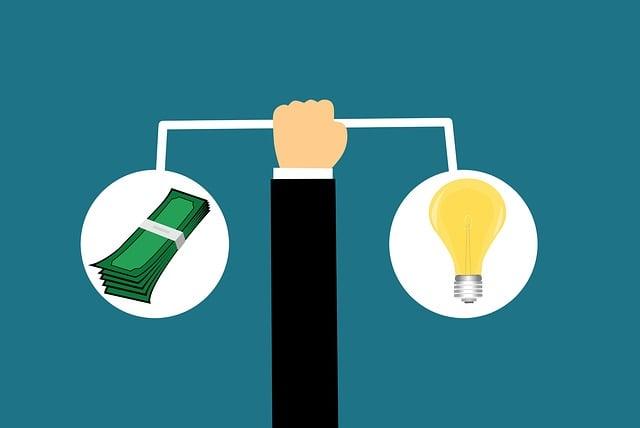
When considering whether to convert your regular bike to electric or buy a new electric bike, cost is a significant factor to take into account. Let’s break down the expenses involved in each option to help you make an informed decision:
- Conversion Kit Costs: Purchasing a conversion kit typically ranges from $400 to $1000, depending on the quality and features of the kit.
- Additional Parts: In some cases, you may need to invest in additional parts such as batteries, controllers, and wiring, which can add up to $300-$500 to the total cost.
- Labor: If you are not confident in your DIY skills, you may need to pay for professional installation, which can cost around $200-$400.
On the other hand, buying a new electric bike can be more straightforward in terms of pricing. Prices for electric bikes vary widely depending on the brand, model, and features, but you can expect to pay anywhere from $1000 to $5000 for a quality electric bike.
Best Practices for Maintaining Your Electric Bike After Conversion
Once you’ve successfully converted your regular bike to an electric one, it’s important to follow some best practices to ensure its longevity and optimal performance. Here are some tips to help you maintain your electric bike:
- Regularly check the tire pressure: Proper tire pressure is essential for a smooth ride and to prevent premature wear and tear on your electric bike.
- Clean your bike regularly: Keeping your electric bike clean will not only make it look good but also help prevent rust and corrosion.
- Inspect the brakes: Make sure to check the brakes regularly and replace them if necessary to ensure your safety while riding.
- Keep the battery charged: To prolong the life of your electric bike battery, make sure to keep it charged and avoid letting it completely drain.
| Practice | Importance |
|---|---|
| Regularly check tire pressure | Prevent premature wear and tear |
| Clean your bike regularly | Prevent rust and corrosion |
| Inspect the brakes | Ensure safety while riding |
| Keep the battery charged | Prolong battery life |

Expert Recommendations for a Seamless Electric Bike Conversion Experience
When considering converting a regular bike to an electric one, there are a few key recommendations from experts to ensure a seamless and successful experience.
- Choose the Right Kit: It’s essential to select a high-quality electric bike conversion kit that suits your needs and bike model. Look for kits with a reputation for reliability and performance.
- Proper Installation: Whether you’re confident in your DIY skills or not, it’s highly recommended to have your electric bike conversion kit professionally installed. This will ensure safety and optimal functionality.
- Consider Battery Capacity: The battery is a crucial component of an electric bike conversion. Choose a battery with sufficient capacity to meet your desired range and performance requirements.
- Regular Maintenance: Like any bike, an electric bike conversion requires regular maintenance to ensure longevity and optimal performance. Keep up with routine checks, cleaning, and servicing as needed.
The Way Forward
In conclusion, converting a regular bike to electric is a feasible option for those looking to add some extra power to their ride. With the right tools, parts, and knowledge, you can transform your standard bicycle into an electric powerhouse. Remember to consider factors like battery life, motor power, and compatibility with your bike frame before starting the conversion process. By following this ultimate guide, you can enjoy the benefits of an electric bike without breaking the bank. So why wait? Dive into the world of electric biking today and experience the thrill of riding with added speed and ease. Happy riding!
Related posts:
Transformation Time: Can I Make My Bike Into an Electric Bike?
Budget-Friendly Adventure: Best Electric Bike Under $2000 - Explore Now
Ristretto Electric Bike Review - Unbiased Insights
Double the Joy: Electric Bike with Seat on Back – Take a Companion on Your Adventure!
Never Too Late: Electric Balance Bike for Adults
Easy Start: Electric Start for Mini Bike - Reviews
Get our latest guides, news, and insights highlighted in your Google Search & AI Overviews.