

In the world of mobility devices, power wheelchairs have long been the go-to option for those with mobility limitations. However, there is a new player in town that is causing a bit of a dilemma – the scooter. Many individuals are now wondering if a scooter can truly meet their power wheelchair needs. In this article, we will explore this question and provide you with the information you need to make an informed decision. Let’s dive in and unravel the scooter dilemma.
Contents
- The Limitations of Scooters for Power Wheelchair Users
- The Scooter Dilemma: Why Can’t a Scooter Meet Your Power Wheelchair Needs?
- Key Differences between Scooters and Power Wheelchairs
- Accessibility Challenges Faced by Scooter Users
- Common Challenges Faced by Scooter Users
- The Importance of Customization for Power Wheelchair Users
- Factors to Consider When Choosing Between a Scooter and Power Wheelchair
- The Impact of Terrain on Scooter Performance
- The Role of Insurance in Obtaining a Power Wheelchair
- Maximizing Independence with a Power Wheelchair
- Potential Risks Associated with Using a Scooter Instead of a Power Wheelchair
- Addressing Mobility Needs with the Right Equipment
- Consulting with Healthcare Professionals for Proper Mobility Solutions
- To Wrap It Up
- What Battery Do I Get for My Jazzy Electric Wheelchair: Battery Guide
- Demystifying the Motor Used on the Invacare TDXP Power Wheelchair
- Electric Wheelchair Weight: Find the Perfect Balance
- How to Hoyer Lift into a Power Wheelchair: Step-by-Step Guide
- Behind the Scenes: The Manufacturer of the Quantum Power Wheelchair
- Car Ramp for Electric Wheelchair: Easy Loading and Unloading
The Limitations of Scooters for Power Wheelchair Users
The Scooter Dilemma: Why Can’t a Scooter Meet Your Power Wheelchair Needs?
While scooters may seem like a convenient option for some individuals with mobility issues, there are limitations that can make them unsuitable for power wheelchair users. Here are some reasons why scooters may not meet the needs of power wheelchair users:
- Maneuverability: Scooters can be difficult to maneuver in tight spaces, such as narrow doorways or crowded areas.
- Stability: Scooters can lack stability, especially when traveling over uneven terrain or on slopes.
- Seating: Scooters may not provide the necessary support and comfort for individuals who require a power wheelchair with specialized seating options.
Additionally, power wheelchairs offer more customization options, such as tilt, recline, and power elevating leg rests, which can enhance comfort and functionality for users. While scooters may be suitable for some individuals with mobility needs, they may not be the best choice for power wheelchair users who require more advanced features and support.
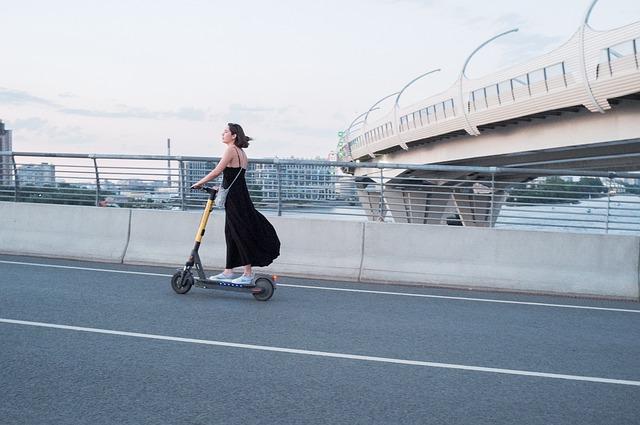
Key Differences between Scooters and Power Wheelchairs
When it comes to choosing between a scooter and a power wheelchair, there are several key differences to consider. While both options provide mobility assistance, they cater to different needs and preferences. Here are some factors to keep in mind:
- Maneuverability: Power wheelchairs typically offer better maneuverability compared to scooters. They can navigate tight spaces and turn in smaller areas, making them ideal for indoor use.
- Comfort: Power wheelchairs are designed with comfort in mind, offering features like adjustable seating, tilt functions, and suspension systems. Scooters may not provide the same level of comfort for long periods of use.
- Support: Power wheelchairs often come with additional support features such as headrests, armrests, and footrests. These added supports can enhance the user’s overall experience and comfort.
Ultimately, the choice between a scooter and a power wheelchair will depend on your specific needs and lifestyle. It’s important to consider factors such as where you’ll be using the mobility device most frequently, how long you’ll be using it each day, and any specific comfort or support requirements you may have. Consulting with a healthcare professional or mobility expert can help you make an informed decision that meets your individual needs.

Accessibility Challenges Faced by Scooter Users
Common Challenges Faced by Scooter Users
For individuals relying on mobility scooters to get around, there are a number of accessibility challenges that can pose significant obstacles in their daily lives. One key dilemma faced by scooter users is the inability of scooters to meet the same needs as power wheelchairs. While scooters are a popular choice for many due to their affordability and ease of use, they often fall short when it comes to providing the necessary support and functionality for individuals with more complex mobility requirements.
Some of the main challenges that scooter users encounter include:
- Lack of adequate seating support for individuals with limited mobility
- Inability to navigate rough terrain or inclines
- Limited battery life, restricting travel distance and independence
- Lack of customizable features to meet individual needs
It is important for scooter users to be aware of these limitations and consider alternative solutions, such as power wheelchairs, that may better suit their mobility needs. By understanding the specific challenges faced by scooter users, we can work towards creating a more inclusive and accessible environment for all individuals with mobility impairments.

The Importance of Customization for Power Wheelchair Users
When it comes to meeting the unique needs of power wheelchair users, customization is key. While scooters may seem like a convenient option for those with mobility challenges, they often fall short in providing the necessary support and functionality that power wheelchairs offer.
**Here are a few reasons why a scooter may not meet your power wheelchair needs:**
- Scooters lack the customization options available with power wheelchairs, such as adjustable seating, specialized controls, and unique features tailored to individual needs.
- Power wheelchairs offer better support and positioning for users with limited mobility or postural issues, promoting comfort and reducing the risk of pressure sores.
- Power wheelchairs have higher weight capacities and are more stable than scooters, making them suitable for a wider range of users and environments.
If you rely on a mobility device for daily activities, it’s essential to choose a power wheelchair that can be customized to meet your specific requirements. Don’t settle for a one-size-fits-all solution when you can have a power wheelchair that is tailored to your unique needs.

Factors to Consider When Choosing Between a Scooter and Power Wheelchair
include:
- Mobility needs: Consider whether you require the scooter for short trips or need the added comfort and support of a power wheelchair for longer journeys.
- Physical limitations: Evaluate your physical capabilities and determine if a scooter with its handlebars or a power wheelchair with joystick control would be more suitable for your needs.
- Portability: Think about the ease of transporting the scooter or power wheelchair, especially if you need to travel frequently or have limited storage space.
- Indoor vs. outdoor use: Decide if you will mainly be using the scooter or power wheelchair indoors, outdoors, or both, as this may impact your decision.
In some cases, a scooter may not meet all the needs of an individual who requires the added support and comfort of a power wheelchair. Power wheelchairs offer more customizable seating options, better postural support, and enhanced comfort features that may be necessary for individuals with specific mobility challenges. Additionally, power wheelchairs typically have a smaller turning radius, making them more maneuverable in tight spaces compared to scooters.
When considering the choice between a scooter and power wheelchair, it is essential to prioritize your comfort, safety, and overall mobility needs. Consulting with a healthcare professional or mobility specialist can help you make an informed decision based on your individual requirements and preferences.
The Impact of Terrain on Scooter Performance
Regular scooters may not always be the best option for those with power wheelchair needs, especially when considering . The design and capabilities of scooters can vary significantly, making it challenging to find one that can navigate various terrains effectively. Here are some key reasons why a scooter may not meet the needs of those accustomed to power wheelchairs:
- **Limited Suspension:** Scooters often have limited suspension systems, which can make it challenging to navigate rough or uneven terrain smoothly.
- **Lower Ground Clearance:** Scooters typically have lower ground clearance than power wheelchairs, making it difficult to navigate over obstacles such as curbs or bumps.
- **Narrower Wheelbase:** The narrower wheelbase of scooters can impact stability on uneven surfaces, potentially leading to risks of tipping over.
In contrast, power wheelchairs are specifically designed to provide better maneuverability and performance on various terrains. They often feature advanced suspension systems, higher ground clearance, and wider wheelbases, allowing for a smoother and safer ride. While scooters can be a great mobility aid for certain individuals, those with power wheelchair needs may find that a power wheelchair better meets their requirements for navigating different terrains with ease.
| Comparison | Scooter | Power Wheelchair |
|---|---|---|
| Ground Clearance | Low | High |
| Suspension | Limited | Advanced |
| Wheelbase | Narrow | Wide |

The Role of Insurance in Obtaining a Power Wheelchair
When it comes to mobility assistance, power wheelchairs are often a preferred choice for individuals with mobility limitations. Unlike scooters, power wheelchairs offer a higher level of comfort, customization, and functionality that cater to the specific needs of the user. While scooters may be a suitable option for some, they may not always meet the requirements of those in need of a power wheelchair.
Insurance plays a crucial role in obtaining a power wheelchair, as it can help cover the cost of these specialized devices. Many insurance plans, including Medicare and Medicaid, provide coverage for power wheelchairs under certain conditions. It is important to understand the requirements set by your insurance provider and work with them to ensure that you receive the necessary coverage for a power wheelchair.
Power wheelchairs offer a range of benefits that scooters may not be able to provide, such as:
- Customization: Power wheelchairs can be customized to fit the specific needs and preferences of the user, including seating options, control mechanisms, and other features.
- Indoor Maneuverability: Power wheelchairs are typically more compact and maneuverable, making them ideal for navigating through tight indoor spaces with ease.
- Comfort and Support: Power wheelchairs are designed to provide a higher level of comfort and support, which can be especially beneficial for individuals who need to use the device for extended periods of time.
Ultimately, while scooters may have their place in certain situations, power wheelchairs offer a superior level of functionality and customization that can better meet the needs of individuals with mobility limitations. By working with your insurance provider and understanding the benefits of a power wheelchair, you can ensure that you receive the appropriate mobility assistance that suits your specific requirements.

Maximizing Independence with a Power Wheelchair
Living with limited mobility can present challenges, but a power wheelchair can help maximize independence and improve quality of life. While scooters may seem like a convenient option, they often fall short when compared to the capabilities of a power wheelchair. Here’s why a power wheelchair is the superior choice for meeting your mobility needs:
**Customizability**: Power wheelchairs offer a higher level of customization than scooters, allowing for a more comfortable and tailored fit for the user. From adjustable seating to specialized controls, power wheelchairs can be personalized to meet individual needs and preferences.
**Maneuverability**: Power wheelchairs are designed for indoor and outdoor use, offering greater maneuverability in tight spaces and diverse terrain. Unlike scooters, power wheelchairs can navigate through doorways, around obstacles, and even travel off-road with ease.
**Independence**: Power wheelchairs provide a higher level of independence compared to scooters. With features like tilt, recline, and standing options, power wheelchairs empower users to perform daily activities with greater ease and confidence.
**Health Benefits**: Power wheelchairs offer ergonomic seating options and advanced positioning features that promote better posture and reduce the risk of pressure sores and musculoskeletal issues. This can lead to improved overall health and well-being for wheelchair users.
In conclusion, while scooters may have their place for certain individuals, a power wheelchair is ultimately the superior choice for maximizing independence and meeting the diverse needs of individuals with mobility challenges.
Potential Risks Associated with Using a Scooter Instead of a Power Wheelchair
When considering whether a scooter can meet your power wheelchair needs, it’s essential to be aware of the potential risks associated with opting for a scooter over a power wheelchair. While scooters may seem like a convenient and cost-effective solution, there are several factors to consider:
- Stability: Unlike power wheelchairs, scooters have a higher center of gravity, making them more prone to tipping over, especially when navigating uneven terrain or slopes.
- Maneuverability: Scooters have a wider turning radius compared to power wheelchairs, which may make it challenging to navigate through tight spaces or crowded areas.
- Comfort: Power wheelchairs typically offer more customization options for seating and positioning, providing better comfort and support for long periods of use.
- Battery Life: Scooters may have limited battery life compared to power wheelchairs, which can be a significant concern if you rely on your mobility device for extended periods of time.
While scooters can be a suitable option for some individuals with mobility limitations, it’s crucial to weigh the potential risks and limitations against your specific needs to ensure you choose the most appropriate mobility device for your lifestyle.
Addressing Mobility Needs with the Right Equipment
When it comes to addressing mobility needs, it’s important to find the right equipment that suits your specific requirements. While scooters can be a popular choice for many individuals, they may not always meet the power wheelchair needs of some users. Here’s why:
- Customization: Power wheelchairs offer more customization options in terms of seating, positioning, and controls compared to scooters.
- Indoor Maneuverability: Power wheelchairs are typically more compact and maneuverable indoors, making them a better choice for navigating tight spaces.
- Battery Life: Power wheelchairs often have longer battery life compared to scooters, allowing for extended use without the need for frequent recharging.
While scooters can be a great mobility solution for some individuals, it’s essential to consider your specific needs and requirements to determine if a power wheelchair may be a better fit. By exploring all your options and consulting with a mobility specialist, you can find the equipment that best meets your mobility needs.

Consulting with Healthcare Professionals for Proper Mobility Solutions
When it comes to finding the right mobility solution for your needs, consulting with healthcare professionals is crucial. While scooters may seem like a convenient option for getting around, they may not always meet the needs of those who require a power wheelchair. Here’s why:
* Functionality: Power wheelchairs are designed with advanced features such as tilt, recline, and elevating leg rests, which provide better comfort and support for individuals with mobility limitations.
* Customization: Power wheelchairs can be customized to fit the specific needs of each individual, including seat size, positioning options, and control systems.
* Maneuverability: Scooters may have limitations in terms of maneuverability, especially in tight spaces or crowded areas, whereas power wheelchairs offer better control and navigation.
Ultimately, consulting with a healthcare professional will help determine the most suitable mobility solution based on your unique needs and lifestyle. Don’t settle for a one-size-fits-all approach when it comes to your mobility – find a solution that works best for you.
To Wrap It Up
In conclusion, when it comes to choosing between a scooter and a power wheelchair, it’s important to carefully consider your individual mobility needs and lifestyle. While scooters may offer more portability and ease of use in certain situations, they may not always be a suitable option for those with specific mobility requirements. Power wheelchairs, on the other hand, provide customizable features and advanced functionalities that can better accommodate a wider range of users. Ultimately, the decision between a scooter and a power wheelchair comes down to what works best for you and your unique circumstances. Remember to prioritize comfort, functionality, and independence when making your choice. For more information and guidance on finding the right mobility solution for you, consult with a healthcare professional or mobility equipment specialist.
Related posts:
What Battery Do I Get for My Jazzy Electric Wheelchair: Battery Guide
Demystifying the Motor Used on the Invacare TDXP Power Wheelchair
Electric Wheelchair Weight: Find the Perfect Balance
How to Hoyer Lift into a Power Wheelchair: Step-by-Step Guide
Behind the Scenes: The Manufacturer of the Quantum Power Wheelchair
Car Ramp for Electric Wheelchair: Easy Loading and Unloading
Get our latest guides, news, and insights highlighted in your Google Search & AI Overviews.