

Are you ready to take on the challenge of learning how to ride a hoverboard? In this beginner’s guide, we’ll break down all the steps you need to master this futuristic mode of transportation. From balancing tips to safety precautions, we’ve got you covered. Let’s dive in and get you gliding like a pro in no time!
Contents
- Introduction
- Choosing the Right Hoverboard
- Safety First: Protective Gear and Precautions
- Protective Gear
- Precautions
- Getting Comfortable: Balancing and Body Position
- Mastering Basic Movements: Accelerating, Decelerating, and Turning
- Practice Makes Perfect: Finding Your Balance
- Navigating Obstacles: Tips for Maneuvering on Different Surfaces
- Basic Hoverboard Riding Tips
- Building Confidence: Gradually Increasing Speed
- Advanced Techniques: Mastering Tricks and Sharp Turns
- Troubleshooting: Common Issues and How to Overcome Them
- Conclusion
- Wrapping Up
- Comfort & Convenience: Best Hoverboard Seat Attachment
- Find Your Perfect Match: Hoverboard for Sale Now!
- Back to the Future Vibes: Hoverboard in Back to the Future
- Unveil the Mystery: Bottom of Hoverboard Revealed
- How Much a Hoverboard Cost? Price Analysis!
- Conquer Any Terrain: Best Off-Road Hoverboard Available
Introduction
Welcome to our beginner’s guide on how to learn how to ride a hoverboard! If you’re ready to elevate your transportation game and glide around effortlessly on this futuristic device, you’ve come to the right place. Riding a hoverboard may seem intimidating at first, but with the proper guidance and practice, you’ll be cruising in no time.
Before you hop on your hoverboard and start cruising around, it’s essential to familiarize yourself with the basic components of the device. These include the foot pads, which you’ll use to control the hoverboard’s movement, as well as the power button and charging port. Understanding how these elements work together will help you feel more comfortable and confident during your rides.
One of the most crucial steps in learning how to ride a hoverboard is mastering your balance. To do this, stand on the hoverboard with your feet shoulder-width apart and your knees slightly bent. Practice shifting your weight from side to side and forward and backward to get a feel for how the hoverboard responds. Remember, maintaining proper balance is key to staying safe and in control while riding.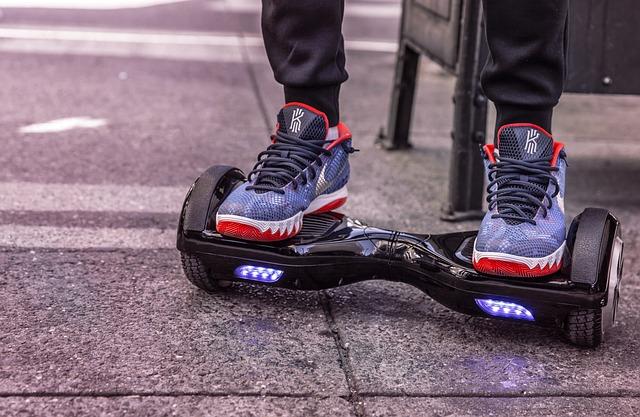
Choosing the Right Hoverboard
Learning how to ride a hoverboard can be an exciting challenge for beginners. To start off on the right foot, it’s important to choose the right hoverboard that suits your needs and skill level. Here are some key factors to consider when selecting the perfect hoverboard for you:
- Weight Limit: Make sure to check the weight limit of the hoverboard to ensure it can support your weight.
- Wheel Size: Larger wheels provide more stability and are better for off-road riding, while smaller wheels are ideal for smooth surfaces.
- Battery Life: Consider how long you plan to ride your hoverboard and choose a model with a battery life that fits your needs.
- Speed and Range: Some hoverboards can reach speeds of up to 10 mph, while others have a range of 10-12 miles on a single charge. Choose a model that aligns with your riding preferences.
Once you’ve chosen the right hoverboard, it’s time to start practicing! Remember to wear safety gear such as a helmet, knee pads, and elbow pads. Start by getting comfortable with balancing on the hoverboard and slowly practice moving forward, turning, and stopping. With time and patience, you’ll be gliding around like a pro in no time!
Safety First: Protective Gear and Precautions
Protective Gear
Before you even step foot on a hoverboard, it’s important to make sure you have the right protective gear to keep you safe. This includes:
- Helmet: Always wear a properly fitting helmet to protect your head in case of falls or collisions.
- Knee and elbow pads: These pads can prevent scrapes, bruises, and more serious injuries if you take a tumble.
- Wrist guards: Protect your wrists from sprains or fractures by wearing wrist guards while riding.
Precautions
Aside from wearing the right gear, there are some precautions you should take to ensure a safe and enjoyable hoverboard riding experience:
- Practice in a safe area: Start by practicing in a clear, open space away from obstacles or traffic.
- Start slow: Begin at a slow speed to get a feel for the hoverboard and gradually increase your speed as you become more comfortable.
- Avoid steep inclines: Steer clear of steep hills or inclines until you have mastered basic riding skills.

Getting Comfortable: Balancing and Body Position
To ride a hoverboard effectively, it is essential to master the art of balancing and maintain the correct body position. This will not only help you stay safe while riding but also improve your overall experience on the hoverboard. Here are some tips on how to get comfortable with balancing and body position:
**Center Your Weight**: Make sure to distribute your weight evenly on the hoverboard, keeping your body centered over the wheels.
**Relax Your Body**: Tensing up while riding can make it harder to balance. Keep your body relaxed and allow your muscles to adjust to the movements of the hoverboard.
**Maintain a Neutral Stance**: Stand with your feet shoulder-width apart and point them straight ahead. Keep your knees slightly bent to absorb any bumps or vibrations.
**Look Forward**: Focus on where you want to go rather than looking down at your feet. This will help you maintain better balance and control while riding.
By practicing these tips and paying attention to your body position, you will soon feel more comfortable and confident on your hoverboard. Remember, it takes time and practice to master this skill, so be patient with yourself and enjoy the learning process.
Mastering Basic Movements: Accelerating, Decelerating, and Turning
In order to master the basic movements of accelerating, decelerating, and turning on a hoverboard, it is important to start with the fundamentals. Practice makes perfect, so don’t get discouraged if you don’t get it right away. Here are some tips to help you get started:
Accelerating: To move forward on a hoverboard, lean forward slightly to engage the motors. The more you lean, the faster you will go. Start by practicing in a safe, open space to get the hang of it before attempting to speed up.
Decelerating: When you want to slow down or stop, simply lean back slightly to disengage the motors. It’s important to find the right balance to avoid coming to a sudden stop and potentially losing your balance. Practice braking gradually to get the hang of it.
Turning: To turn on a hoverboard, shift your weight to one side while keeping your feet flat. This will initiate a smooth turn in the desired direction. Remember to look where you want to go and use your body to guide the board in that direction.
By mastering these basic movements, you will be well on your way to riding a hoverboard like a pro. Practice regularly to build up your skills and confidence, and soon you’ll be cruising around effortlessly. Remember, safety always comes first, so don’t forget to wear protective gear and adhere to local laws and regulations while riding your hoverboard.
Practice Makes Perfect: Finding Your Balance
When it comes to learning how to ride a hoverboard, practice truly does make perfect. Finding your balance on a hoverboard can be a fun and exciting challenge, but it requires patience and dedication. Here are some tips to help you master the art of hoverboarding:
- Start in a Safe Area: Before you begin practicing, make sure you are in a spacious and flat area free of obstacles.
- Get Comfortable: Stand with your feet shoulder-width apart and keep your knees slightly bent to maintain balance.
- Learn to Lean: To move forward, lean your body forward slightly. To turn, shift your weight to the direction you want to go.
Remember, it’s normal to feel wobbly at first. Over time, you will develop muscle memory and gain confidence on your hoverboard. Keep practicing, and soon enough, you’ll be riding like a pro!

Basic Hoverboard Riding Tips
As a beginner, riding a hoverboard can be a bit tricky, but with practice and these tips, you’ll be gliding like a pro in no time. One of the key skills to master is navigating obstacles on different surfaces. Here are some tips to help you maneuver smoothly:
- Start on a flat, smooth surface: Before venturing onto rough terrain, practice on a flat, smooth surface like a sidewalk or parking lot to get comfortable with the controls.
- Lean forward to move forward: To move forward, lean slightly forward and apply pressure to the front of the foot pads. To stop, simply straighten up.
- Practice turning: Use gentle movements to turn left or right. Shift your weight to the side you want to go, making sure to keep your balance.
- Slow down for obstacles: When approaching obstacles like rocks or cracks in the pavement, slow down by leaning back and using light pressure on the heel of your foot.
By following these tips and practicing regularly, you’ll soon become a confident hoverboard rider capable of navigating different surfaces with ease.

Building Confidence: Gradually Increasing Speed
Once you have mastered the basics of riding a hoverboard, it’s time to start building your confidence by gradually increasing your speed. Riding at a slow pace is a great way to get comfortable with the hoverboard’s movements, but eventually, you’ll want to pick up the pace to fully enjoy the experience.
Here are some tips on how to gradually increase your speed while maintaining control:
- Practice on smooth surfaces: Start by riding on flat, smooth surfaces like pavement or indoor floors. This will help you get a feel for the hoverboard’s movements without any obstacles in your way.
- Gradually increase your speed: Once you feel confident at a slow pace, try increasing your speed slightly. Focus on maintaining your balance and staying centered on the board as you pick up the pace.
- Use your body to steer: Remember to use your body to steer the hoverboard, leaning in the direction you want to go. This will help you maintain control and navigate turns at higher speeds.
- Stay relaxed: It’s natural to feel a bit nervous when increasing your speed, but try to stay relaxed and calm. Tension can affect your balance, so focus on staying loose and in control.

Advanced Techniques: Mastering Tricks and Sharp Turns
Once you have mastered the basic techniques of riding a hoverboard, it’s time to take your skills to the next level with advanced tricks and sharp turns. These techniques will not only impress your friends but also improve your overall hoverboard riding experience.
One of the key advanced techniques to master is the 360-degree spin. To perform this trick, shift your weight to one side and start rotating your body in a circular motion while maintaining your balance. Practice this move in an open, flat area to avoid any potential accidents. Another impressive trick to learn is riding backward. Shift your weight slightly backward and slowly start moving in reverse. This will require practice and patience, but once mastered, it will add a new dimension to your hoverboard riding.
Sharp turns are essential for navigating tight corners and crowded areas. To execute a sharp turn, lean slightly in the direction you want to turn while maintaining your speed. Use your feet to pivot the hoverboard in the desired direction. Practice this maneuver in a controlled environment until you feel comfortable executing sharp turns effortlessly.
Troubleshooting: Common Issues and How to Overcome Them
When learning how to ride a hoverboard, beginners may encounter a few common issues that can be easily overcome with some practice and guidance. Here are some tips to help you navigate through these challenges:
- Balance: One of the most common issues beginners face is maintaining balance on a hoverboard. To overcome this, start by practicing in a safe, open area with no obstacles. Keep your feet shoulder-width apart and distribute your weight evenly on the board.
- Turning: Turning on a hoverboard can be tricky at first. To make smooth turns, lean in the direction you want to go while keeping your body upright. Practice turning in both directions to improve your maneuverability.
- Mounting and Dismounting: Getting on and off a hoverboard may seem daunting, but with practice, it can become second nature. To mount, place one foot on the board followed by the other. To dismount, step off with one foot first before the other.
| Common Issue | How to Overcome |
|---|---|
| Not progressing forward | Ensure both feet are flat on the board and apply gradual pressure to the footpad. |
| Feeling wobbly | Focus on maintaining a stable posture and practice balancing exercises. |
Remember, learning to ride a hoverboard takes time and patience. By following these tips and practicing regularly, you’ll be gliding effortlessly in no time!

Conclusion
In , learning how to ride a hoverboard can be a fun and exciting experience for beginners. By following the tips and guidelines provided in this beginner’s guide, you can quickly master the art of riding a hoverboard like a pro. Remember to always prioritize safety by wearing appropriate gear, practicing in a safe environment, and taking it slow in the beginning.
Additionally, make sure to familiarize yourself with the different features and controls of your hoverboard, as well as regularly checking for any maintenance issues. With consistent practice and patience, you will soon be able to glide effortlessly on your hoverboard with confidence.
Lastly, don’t get discouraged if you don’t pick it up right away. Learning how to ride a hoverboard takes time and practice, so be patient with yourself and enjoy the process. Before you know it, you’ll be cruising around like a seasoned pro. As the saying goes, practice makes perfect, so keep at it and have fun mastering this exciting mode of transportation.
Wrapping Up
In conclusion, learning how to ride a hoverboard may seem daunting at first, but with the right guidance and persistence, anyone can master this fun and exciting mode of transportation. Remember to start slow, practice regularly, and always prioritize safety. By following the tips and tricks outlined in this beginner’s guide, you’ll be gliding effortlessly on your hoverboard in no time. So don’t be afraid to step out of your comfort zone and embrace the thrill of hoverboarding! Happy riding!
Related posts:
Comfort & Convenience: Best Hoverboard Seat Attachment
Find Your Perfect Match: Hoverboard for Sale Now!
Back to the Future Vibes: Hoverboard in Back to the Future
Unveil the Mystery: Bottom of Hoverboard Revealed
How Much a Hoverboard Cost? Price Analysis!
Conquer Any Terrain: Best Off-Road Hoverboard Available
Get our latest guides, news, and insights highlighted in your Google Search & AI Overviews.