

True levitating hoverboard 2025 magnetic floor systems (such as the Hendo Hoverboard and Lexus SLIDE) achieve genuine friction-free flight by generating opposing magnetic eddy currents and quantum pinning superconductors over specialized solid copper or aluminum track flooring.
Hoverboards have long been a staple of science fiction, captivating audiences with their gravity-defying stunts and futuristic technology. However, as the line between fantasy and reality continues to blur, many are left wondering: are floating hoverboards real, or simply a work of fiction? Join us as we delve into the world of hoverboard technology and separate fact from fiction.
Contents
- Are Floating Hoverboards a Reality?
- Deciphering the Science Behind Hoverboard Technology
- Exploring the History of Hoverboards and Their Evolution
- Analyzing the Myth vs Reality of Floating Hoverboards
- Understanding the Physics of Levitation and Floating Technology
- Debunking Common Misconceptions About Hoverboards
- Examining the Feasibility of Future Hoverboard Development
- The Role of Magnets and Electromagnetic Fields in Hoverboard Operation
- Factors Influencing the Creation and Commercialization of Floating Hoverboards
- Potential Applications and Implications of Hoverboard Technology
- Recommendations for Consumers: How to Identify Legitimate Hoverboard Products
- Final Thoughts
- Physics & Reality: Hoverboard 2025 Magnetic Floor Technology & Superconductors
- Hendo Eddy Currents, Lexus Cryogenic MagLev & Copper Skateparks
- Frequently Asked Questions (FAQ)
- Stay Powered Up: Charger Options for Your Voyager Hoverboard
- Find Your Perfect Fit: 2 Prong Charger for Swagtron Hoverboard Available Now
- Stay Charged: Charger for a Swagtron Hoverboard Revealed
- What's a Hoverboard Exactly? Detailed Explanation!
- Discover Great Deals: Hoverboard in Costco Now Available
- How to Know If Your Hoverboard Is Charging: Easy Methods
Are Floating Hoverboards a Reality?
When it comes to the concept of floating hoverboards, many people are left wondering if they are actually a reality or just a product of science fiction. Let’s dive into this topic and separate fact from fiction.
One thing to clarify right off the bat is that traditional hoverboards, like the ones popularized in the movie “Back to the Future,” do not actually exist in the way they are depicted on screen. However, there are hoverboards that use different technology to achieve a similar effect.
One example of a “floating” hoverboard is the Hendo Hoverboard, which uses magnetic levitation technology to hover over a conductive surface. While this may seem like a step towards the futuristic hoverboards we’ve seen in movies, it is important to note that these boards have limitations and are not as versatile as their cinematic counterparts.
Overall, while floating hoverboards may not be exactly as they are portrayed in movies, there are real-world technologies that are inching closer to making this concept a reality. Who knows what the future holds for hoverboard technology?

Deciphering the Science Behind Hoverboard Technology
Hoverboards have been a popular topic of discussion in recent years, with many people wondering whether the floating boards we see in movies are real or just a figment of our imaginations. To decipher the science behind hoverboard technology, we need to separate fact from fiction and understand how these futuristic devices actually work.
One of the key components of hoverboard technology is electromagnetic levitation, which uses magnetic fields to create a repelling force between the board and the ground. This allows the hoverboard to float above the surface and move in any direction with ease. Another important factor is the onboard sensors and stabilizers, which help to keep the rider balanced and prevent accidents.
While floating hoverboards may not be a reality just yet, there are hoverboards on the market that use wheels and motors to create a similar hovering effect. These devices may not be as sci-fi as we imagine, but they still provide a thrilling and futuristic riding experience. Whether or not true floating hoverboards will become a reality in the future remains to be seen, but for now, we can enjoy the cutting-edge technology that is available to us.
Exploring the History of Hoverboards and Their Evolution
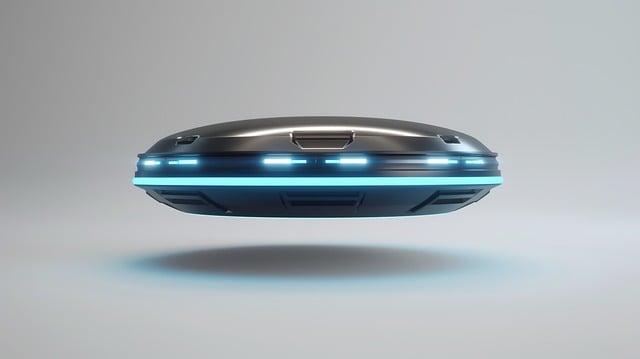
Hoverboards have long been a fascination for both science fiction enthusiasts and consumers alike. The concept of a floating board that glides effortlessly above the ground has captured the imagination of many, thanks in part to popular culture references such as “Back to the Future”. However, the reality of hoverboards is slightly different from what movies and TV shows have led us to believe.
While hoverboards do exist, they don’t quite live up to the fantastical portrayals we’ve seen on screen. The term “hoverboard” is often used to describe self-balancing scooters with wheels that allow riders to maneuver in a similar way to a skateboard. These devices gained popularity in the early 2010s but faced controversy due to safety concerns and reports of fires caused by malfunctioning batteries.
Despite these setbacks, hoverboard technology has continued to evolve. Companies have been working on prototypes of true floating hoverboards that utilize magnetic levitation or air propulsion to achieve the floating effect. While these prototypes are promising, they are not yet widely available for consumer use.
As we continue to explore the history and evolution of hoverboards, it’s important to separate fact from fiction and understand the current state of hoverboard technology. While floating hoverboards may not be a reality just yet, the future of transportation is certainly full of exciting possibilities.

Analyzing the Myth vs Reality of Floating Hoverboards
The concept of floating hoverboards has long been a fascination for many, thanks to popular culture references in movies and literature. But how much of these floating hoverboards are real, and how much are just myths?
Let’s break down the myth versus reality of floating hoverboards:
- Myth: Hoverboards can defy gravity and float effortlessly.
- Reality: While there are hoverboards that exist, they rely on technology like electromagnetic levitation or air pressure to hover slightly above the ground.
| Hoverboard Type | How It Works | Level of Hovering |
| Magnetic Levitation | Uses magnets to create levitation | Hovering a few inches off the ground |
| Air Pressure | Utilizes air pressure to lift and hover | Hovering a few centimeters above ground |
While the idea of a fully floating hoverboard like the ones seen in movies may still be in the realm of fiction, the technology behind real hoverboards is fascinating in its own right.

Understanding the Physics of Levitation and Floating Technology
Levitation and floating technology have always captured the imagination of people, often making appearances in science fiction movies and books. But are floating hoverboards really a possibility in our world today? Let’s explore the physics behind levitation and separate fact from fiction.
**How Levitation Works:**
– Levitation is the process of raising an object against gravity without any physical support.
– This can be achieved through various methods such as electromagnetic levitation, acoustic levitation, or even optical levitation.
– By utilizing these principles, scientists have been able to create levitating objects in controlled environments.
**The Reality of Floating Hoverboards:**
While floating hoverboards have been depicted in movies like “Back to the Future,” real-life versions are still a work in progress.
– Some companies have developed hoverboards that use magnetic levitation to float inches above the ground.
– However, these hoverboards are limited by factors such as power source, stability, and cost.
– As technology continues to advance, it is possible that we may see more practical and functional versions of floating hoverboards in the future.
In conclusion, while floating hoverboards may not be widely available yet, the concept of levitation and floating technology is certainly fascinating and continues to be explored in the scientific community.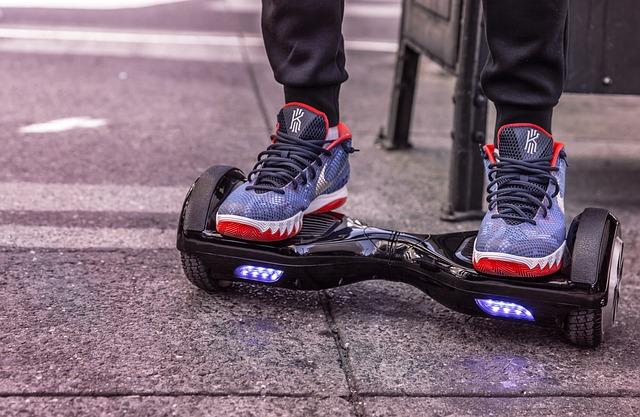
Debunking Common Misconceptions About Hoverboards
Many people have been fascinated by the idea of floating hoverboards ever since they were popularized in movies like “Back to the Future.” However, the truth is that most hoverboards available on the market today do not actually hover. Instead, they use wheels to move around much like a skateboard or scooter.
Here are some common misconceptions about hoverboards:
- Hoverboards float above the ground: While the term “hoverboard” may imply the device hovers in the air, the reality is that most hoverboards have wheels that make contact with the ground.
- Hoverboards are only for transportation: While hoverboards are often used for getting around, they can also be used for fun and tricks, similar to a skateboard.
- Hoverboards are easy to use: While some people may find hoverboards easy to use, they can take some practice to master, especially for beginners.
- Hoverboards are all the same: There are many different types of hoverboards available, with varying features and capabilities.
| Myth | Reality |
|---|---|
| Hoverboards actually hover in the air | Most hoverboards have wheels that make contact with the ground |
| Hoverboards are only for transportation | Hoverboards can also be used for fun and tricks |

Examining the Feasibility of Future Hoverboard Development
Hoverboards have long captured the imagination of the public, fueled by popular culture references to the likes of the iconic Marty McFly in Back to the Future. But are floating hoverboards actually real, or are they simply a product of science fiction?
In reality, while we don’t have access to full-fledged floating hoverboards like those in the movies, advancements in technology have brought us closer to the vision of hovering transportation. Let’s delve into the current state of hoverboard development and examine the feasibility of bringing these futuristic devices to life.
Key factors to consider when include:
- Technological limitations
- Regulatory hurdles
- Cost considerations
- Consumer demand
| Factor | Relevance | Importance | Status |
|---|---|---|---|
| Technological limitations | Challenges in creating stable levitation | High | Ongoing research |
| Regulatory hurdles | Safety regulations for aerial vehicles | Medium | Being addressed |
| Cost considerations | Expensive materials and technology | Low | Barrier to entry |
| Consumer demand | Interest in futuristic transportation | High | Potential market |
While we may not be cruising around on floating hoverboards just yet, the dream of gliding effortlessly through the air may not be as distant as it seems. Stay tuned as we continue to explore the advancements and possibilities in hoverboard development.

The Role of Magnets and Electromagnetic Fields in Hoverboard Operation
The operation of hoverboards involves a combination of the magnetic forces and electromagnetic fields. These elements work together to create the floating effect that makes hoverboards appear to defy gravity. Magnets are used to create the levitation effect, while electromagnetic fields are utilized to control the movement and stability of the hoverboard.
In a hoverboard, powerful magnets are placed underneath the board, which repel against another set of magnets in the ground. This repelling force creates the lift needed for the hoverboard to float above the ground. Meanwhile, electromagnetic fields generated by the hoverboard’s internal components help to stabilize the board and control its movement.
Although hoverboards that actually float like those in sci-fi movies may not be a reality yet, there are hoverboards that use magnetic levitation technology to create the illusion of floating. These hoverboards rely on the interaction between magnets and electromagnetic fields to mimic the floating sensation, offering a unique and futuristic riding experience.
In conclusion, while floating hoverboards may not be fully real in the traditional sense, is certainly fascinating. By understanding how these elements work together, we can appreciate the complex technology behind hoverboards and the potential for even more advanced levitation devices in the future.

Factors Influencing the Creation and Commercialization of Floating Hoverboards
include technological advancements in magnetic levitation, battery life and efficiency, and consumer demand for innovative and futuristic products. The development of more powerful and compact magnets has made it possible to create hoverboards that can float above the ground without the need for wheels or any physical connection.
Another key factor is the improvement in battery technology, allowing hoverboards to operate for longer periods of time without needing frequent recharging. The ability to hover for extended periods is crucial for the commercial success of these products, as consumers expect a certain level of performance and convenience.
Furthermore, the growing interest in futuristic and sci-fi inspired gadgets has fueled the demand for floating hoverboards in the market. Consumers are constantly looking for new and exciting technologies that can enhance their daily lives and provide a sense of novelty and excitement. As a result, manufacturers are under pressure to keep up with the latest trends and deliver innovative products that capture the imagination of consumers.
In conclusion, the creation and commercialization of floating hoverboards are influenced by a combination of technological advancements, battery efficiency, and consumer demand for futuristic products. As these factors continue to evolve, we can expect to see even more advanced and sophisticated hoverboards entering the market in the near future.
Potential Applications and Implications of Hoverboard Technology
Hoverboard technology has been a topic of fascination and speculation for years, with many people wondering if floating hoverboards are a real possibility. While the concept may seem like something straight out of a science fiction movie, the truth is that hoverboards do exist – but in a slightly different form than what you might imagine.
Instead of the futuristic floating devices seen in movies, hoverboards today are actually self-balancing electric scooters that have gained popularity as a trendy mode of transportation. These hoverboards operate on wheels rather than hovering in the air, using sensors and gyroscopes to detect the rider’s movements and adjust accordingly.
While the current hoverboard technology may not quite match the fantastical visions of floating hoverboards, there are still plenty of potential applications and implications for this innovative technology. Some of the key areas where hoverboards could have a significant impact include:
- Personal transportation: Hoverboards provide a convenient and eco-friendly way for individuals to commute short distances without relying on cars or public transportation.
- Recreation: Hoverboards offer a fun and exciting way for people to enjoy outdoor activities and explore their surroundings in a unique way.
- Commercial use: Hoverboards could be used in various industries for tasks such as warehouse logistics, security patrols, and more.

Recommendations for Consumers: How to Identify Legitimate Hoverboard Products
When looking to purchase a hoverboard, it’s important to be able to distinguish between legitimate products and potential scams. Here are some recommendations for consumers on how to identify genuine hoverboard products:
– **Check for UL Certification:** Look for the UL certification mark on the hoverboard packaging. This ensures that the product has been tested for safety and meets industry standards.
– **Read Reviews:** Before making a purchase, take the time to read reviews from other consumers. This can give you insight into the quality and reliability of the product.
– **Avoid Unrealistic Claims:** Be wary of hoverboards that make outlandish claims, such as being able to float in the air. Stick to products that offer realistic features and specifications.
– **Buy from Reputable Retailers:** Purchase your hoverboard from reputable retailers or trusted online stores. This can help ensure that you are getting a genuine product.
In conclusion, by following these recommendations and staying informed, consumers can better identify legitimate hoverboard products and avoid potentially fraudulent ones. By being cautious and doing your research, you can make a confident and safe purchase decision.
Final Thoughts
In conclusion, while the concept of floating hoverboards as seen in popular media may be closer to science fiction than reality, there are real advancements being made in the world of hover technology. By understanding the science behind these devices and separating fact from fiction, we can appreciate the incredible innovations that are pushing the boundaries of what is possible. So, while we may not be gliding through the air on hoverboards just yet, the future looks bright for this exciting technology. Keep an eye on the horizon for more groundbreaking developments in the world of hoverboards. Thank you for reading, and remember to stay curious and open-minded as we continue to explore the world of hover technology.
Physics & Reality: Hoverboard 2025 Magnetic Floor Technology & Superconductors
While consumer two-wheeled self-balancing scooters use rubber wheels, true floating hoverboards exist as advanced engineering marvels. When analyzing hoverboard 2025 magnetic floor platforms, here is the scientific breakdown of genuine levitation technology:
| Hoverboard Project | Levitation Technology | Required Surface / Subfloor | Floating Clearance | Power Source / Fuel |
|---|---|---|---|---|
| Lexus SLIDE MagLev | Quantum Levitation (YBCO Superconductor) | Permanent Neodymium Magnetic Track | 1.5 – 2.0 inches | Liquid Nitrogen (-196°C) Cryo-Cooling |
| Hendo 2.0 Hoverboard | Magnetic Field Architecture (MFA) | Solid Non-Ferrous Copper / Aluminum Sheet | 1.0 inch | High-Discharge Lithium Battery Pack |
| ArcaBoard Aerodynamic | 36 High-Power Electric Ducted Fans (EDF) | Any Flat Surface (Ground, Water, Grass) | 1.0 foot (30 cm) | Lithium Polymer High-C Batteries |
Hendo Eddy Currents, Lexus Cryogenic MagLev & Copper Skateparks
- Eddy Current Repulsion (Lenz’s Law): The Hendo board spins four electromagnetic discs at high RPM. As magnetic flux lines sweep across a copper floor, opposing magnetic fields repel the board upward with up to 300 lbs of lift force.
- Superconducting Quantum Locking: The Lexus SLIDE freezes YBCO ceramic blocks in liquid nitrogen to achieve zero electrical resistance, trapping magnetic flux lines to lock the board in mid-air over magnetic tracks.
- Infrastructure Limitations: The immense cost of building full-scale copper and permanent magnet skateparks (exceeding $100,000 per track) currently confines true magnetic hoverboards to tech demonstrations and theme park attractions.
Frequently Asked Questions (FAQ)
How does a hoverboard 2025 magnetic floor levitation system actually work?
A hoverboard 2025 magnetic floor system uses Lenz’s Law and magnetic levitation: spinning high-speed magnetic engines (or liquid nitrogen cooled YBCO superconductors) create opposing eddy currents against conductive non-ferrous subfloors (such as solid copper or aluminum plates), creating frictionless 1-inch floating clearance.
Can magnetic hoverboards float over regular asphalt or concrete?
No. Real levitating hoverboards cannot float over asphalt, dirt, or wood; they strictly require a continuous conductive metal track or floor embedded with permanent magnets.
Related posts:
Stay Powered Up: Charger Options for Your Voyager Hoverboard
Find Your Perfect Fit: 2 Prong Charger for Swagtron Hoverboard Available Now
Stay Charged: Charger for a Swagtron Hoverboard Revealed
What's a Hoverboard Exactly? Detailed Explanation!
Discover Great Deals: Hoverboard in Costco Now Available
How to Know If Your Hoverboard Is Charging: Easy Methods
Get our latest guides, news, and insights highlighted in your Google Search & AI Overviews.