

Are you considering purchasing an electric bike but unsure about the legalities it may entail? In this comprehensive guide, we will delve into the world of electric bikes and unravel the complex web of regulations governing their use on the road. From speed limits to licensing requirements, we’ve got you covered with all the information you need to navigate the legal landscape of electric bikes. Get ready to ride with confidence as we break down the laws surrounding electric bikes in your area.
Contents
- Electric Bike Classification: Understanding the Different Types
- Speed Limit Regulations: How Fast Can Electric Bikes Go?
- Traffic Laws and Regulations: Navigating Road Rules on an Electric Bike
- Traffic Laws and Regulations:
- Licensing and Registration: What You Need to Ride Legally
- Safety Requirements: Protecting Yourself and Others on the Road
- Insurance Coverage: Do You Need It for Your Electric Bike?
- State-Specific Regulations: Variances in Laws Across the Country
- Enforcement Practices: How Laws Are Upheld for Electric Bikes
- Permitted Locations: Where Can You Ride Your Electric Bike?
- Interacting with Other Road Users: Tips for a Safe Riding Experience
- Advocating for Electric Bike Rights: Knowing Your Legal Rights and Responsibilities
- In Retrospect
- Uphill Adventure: Can an Electric Bike Go Uphill?
- Are Electric Bikes Legal in NSW? Know the Legal Status Now!
- Are Throttle Electric Bikes Legal? Legal Facts Inside!
- Viribus Electric Bike Review - Honest Reviews & Recommendations
- Explore More: Electric Mini Bike for Sale – Compact Convenient and Eco-Friendly!
- Trailer for Electric Bike: Expand Your Cargo Capacity with Ease
Electric Bike Classification: Understanding the Different Types
When it comes to the legality of electric bikes on the road, it’s essential to understand the laws and regulations that govern their use. Electric bikes, also known as e-bikes, are becoming increasingly popular as a convenient and eco-friendly mode of transportation. However, not all e-bikes are treated the same under the law. Here is a breakdown of the different classifications of electric bikes:
- Class 1 e-bikes: These bikes have pedal assistance and are equipped with a motor that provides assistance up to 20 mph.
- Class 2 e-bikes: These bikes also have pedal assistance but can be powered solely by the motor, up to 20 mph.
- Class 3 e-bikes: These bikes are similar to Class 1 e-bikes but provide assistance up to 28 mph.
It’s important to note that the classification of your electric bike will determine where you can ride it legally. For example, Class 1 and Class 2 e-bikes are typically allowed on bike paths and multi-use trails, while Class 3 e-bikes may be subject to additional regulations. It’s always best to check with your local government or transportation authority to ensure you are following the appropriate laws.
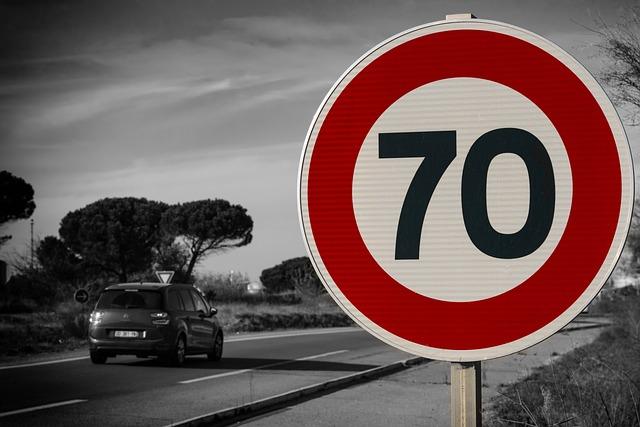
Speed Limit Regulations: How Fast Can Electric Bikes Go?
Electric bikes are becoming increasingly popular as a mode of transportation due to their eco-friendly nature and ease of use. However, there are several regulations regarding the speed limit of electric bikes that riders need to be aware of to ensure they comply with the law.
According to current regulations, electric bikes are typically limited to a speed of 20 mph when powered solely by the motor. This speed limit is in place to ensure the safety of riders and other road users. However, some states and countries may have different speed limits, so it’s important to check the local regulations before riding your electric bike.
It’s important to note that exceeding the speed limit on your electric bike can result in traffic violations and fines. To avoid any legal issues, it’s essential to always adhere to the speed limits and regulations set forth by the local authorities.
Before hitting the road with your electric bike, it’s recommended to familiarize yourself with the speed limits in your area and make sure your bike complies with all relevant regulations. By staying informed and following the rules, you can enjoy a safe and legal ride on your electric bike.

Traffic Laws and Regulations:
Electric bikes, or e-bikes, are becoming increasingly popular as a mode of transportation. However, many people are unsure about the legality of riding an electric bike on the road. In this post, we’ll discuss the laws and regulations surrounding e-bikes to help you navigate the road rules with confidence.
Are Electric Bikes Legal?
Electric bikes are generally legal to ride on the road, but there are some regulations that you need to be aware of. Here are a few key points to keep in mind:
- Most states classify electric bikes as bicycles if they have a motor of 750 watts or less.
- You may need to be a certain age, wear a helmet, and follow the same traffic laws as traditional bicycles.
- Some states require e-bike riders to obtain a special license or registration.
Speed Limits and Regulations
When riding an electric bike, it’s important to remember that there are speed limits and regulations that you must adhere to. Here are some common rules:
- Most states have a maximum speed limit of 20 mph for electric bikes.
- You may not be allowed to ride on sidewalks or pedestrian paths.
- Always yield to pedestrians and follow all traffic signals and signs.
| State | Maximum Speed Limit |
|---|---|
| California | 28 mph |
| Texas | 20 mph |

Licensing and Registration: What You Need to Ride Legally
Electric bikes have gained popularity in recent years for their environmentally-friendly and economical benefits. However, many people are unsure about the legalities of riding electric bikes on the road. The answer to whether electric bikes are legal for road use varies depending on the country, state, or province you are in. Here are some key points to consider:
– In some areas, electric bikes are classified as bicycles as long as they meet certain criteria, such as a maximum speed limit and motor power output. This means that riders do not need a license or registration to ride legally on the road.
– However, in other regions, electric bikes may be subject to the same regulations as motor vehicles, requiring riders to have a valid driver’s license and registration. It is essential to check the specific laws and regulations in your area to ensure you are compliant.
– It is crucial to follow all traffic laws when riding an electric bike, including wearing a helmet, obeying speed limits, and using designated bike lanes where available. Failure to comply with these regulations can result in fines or even the confiscation of your electric bike.
– If you are unsure about the legal requirements for riding an electric bike in your area, it is recommended to contact your local transportation department or law enforcement agency for clarification. By staying informed and following the rules, you can enjoy riding your electric bike safely and legally on the road.
Safety Requirements: Protecting Yourself and Others on the Road
Electric bikes, also known as e-bikes, have become increasingly popular as a mode of transportation. But when it comes to their legality on the road, there are some important considerations to keep in mind.
In most cases, electric bikes are considered legal on the road, but there are some safety requirements and regulations that riders must follow to protect themselves and others. Here are some key points to keep in mind:
– **Classifications**: Electric bikes are typically classified into different categories based on their maximum speed and power output. It’s important to ensure that your e-bike falls within the legal classification for road use in your area.
– **Safety Gear**: Just like traditional bikes, it’s important to wear proper safety gear while riding an electric bike. This includes a helmet, reflective clothing, and any other safety equipment required by local regulations.
– **Traffic Laws**: Electric bike riders are generally required to follow the same traffic laws as other road users. This includes obeying traffic signals, yielding to pedestrians, and riding in the correct lanes.
– **Licensing and Registration**: Depending on your location, you may be required to obtain a license or register your electric bike before using it on the road. Be sure to check the regulations in your area to avoid any potential legal issues.
By understanding and following the safety requirements and regulations for electric bikes on the road, you can protect yourself and others while enjoying the benefits of this convenient mode of transportation.
Insurance Coverage: Do You Need It for Your Electric Bike?
When it comes to electric bikes, one of the common questions that arises is whether insurance coverage is necessary. While the requirements for insurance can vary depending on your location and local regulations, it’s always a good idea to consider getting insurance for your electric bike. Here are some factors to consider when deciding if insurance coverage is right for you:
- Liability Protection: Insurance can provide you with liability protection in case you are involved in an accident with your electric bike. This can help cover any damages or injuries caused to others.
- Theft and Damage: Insurance can also help cover the costs in case your electric bike is stolen or damaged. This can provide peace of mind knowing that you are protected in case of unforeseen circumstances.
- Laws and Regulations: Some areas may require insurance coverage for electric bikes, so it’s essential to check the local laws and regulations to ensure that you are compliant.

State-Specific Regulations: Variances in Laws Across the Country
In the United States, electric bikes are subject to state-specific regulations, with laws varying across the country. It’s crucial for riders to understand the legalities surrounding electric bikes to avoid any potential penalties or fines while on the road. Below is a general guide to help you navigate through the legal landscape of electric bikes:
**State-Specific Regulations:**
– Each state has its own set of laws regarding electric bikes, including definitions, classifications, and requirements for usage on public roads.
– Some states classify electric bikes as bicycles, allowing them to be ridden in bike lanes and on multi-use paths. Others may categorize them as motor vehicles, requiring registration and insurance.
– It’s important to familiarize yourself with the specific regulations in your state to ensure compliance with the law while riding an electric bike.
**Common Regulations Across States:**
| State | Electric Bike Class | Maximum Speed (mph) | Allowed Roadways |
|————–|———————|———————|—————————-|
| California | Class 1, 2, 3 | 20 | Bike lanes, roadways |
| New York | Class 1, 2, 3 | 20 | Bike lanes, roadways |
| Texas | Class 1, 2 | 20 | Bike lanes, roadways |
By staying informed about the regulations in your state and following the rules of the road, you can enjoy the convenience and benefits of riding an electric bike while staying on the right side of the law. Remember to always prioritize safety and be a responsible rider.
Enforcement Practices: How Laws Are Upheld for Electric Bikes
When it comes to electric bikes, there are specific laws and regulations in place to ensure the safety of riders and others on the road. Enforcement practices play a crucial role in upholding these laws and making sure that electric bike users comply with them. Here’s what you need to know:
- Registration and Licensing: In many states, electric bikes do not require registration or licensing to operate. However, it’s essential to check with your state’s specific regulations to ensure compliance.
- Speed Limitations: Electric bikes are typically limited to a certain speed, often around 20 mph. Law enforcement officers may monitor speed through radar guns to ensure riders do not exceed the speed limit.
- Helmet Laws: Just like traditional bikes, electric bike riders are often required to wear helmets for safety. Failure to comply with helmet laws can result in fines or penalties.
- Designated Bike Lanes: In some areas, electric bikes are required to stay in designated bike lanes. Law enforcement may enforce this rule by issuing warnings or citations to riders who fail to comply.

Permitted Locations: Where Can You Ride Your Electric Bike?
Electric bikes are a convenient and eco-friendly mode of transportation, but where can you legally ride them? Understanding the permitted locations can help you stay on the right side of the law while enjoying your electric bike.
Here are some common locations where you can ride your electric bike legally:
- Public roads and streets
- Bike lanes and paths
- Parks and recreational areas
- Designated off-road trails
It’s important to note that rules and regulations regarding electric bikes can vary depending on your location. Be sure to familiarize yourself with local laws to ensure you’re riding your bike in permitted areas.

Interacting with Other Road Users: Tips for a Safe Riding Experience
Electric bikes are becoming increasingly popular for commuting and recreational purposes. However, there is often confusion about the legalities of riding electric bikes on the road. Here are some important points to keep in mind:
- Check your local laws: Laws regarding electric bikes can vary from place to place. Make sure to research the regulations in your area before hitting the road.
- Classifications: Electric bikes are typically classified into three categories based on their speed and power capabilities. Make sure your electric bike falls within the legal classification for your area.
- Follow traffic rules: Just like regular bicycles, electric bikes are required to follow the same traffic rules as other vehicles on the road. Be sure to obey traffic signals and signs to ensure a safe riding experience.
By staying informed and following the rules, you can enjoy the freedom and convenience of riding an electric bike while staying safe and legal on the road.

Advocating for Electric Bike Rights: Knowing Your Legal Rights and Responsibilities
Electric bikes, also known as e-bikes, have become increasingly popular for commuting and recreational use. However, it is important for riders to understand the legal rights and responsibilities associated with using electric bikes on the road. While laws regarding e-bikes may vary by jurisdiction, there are some general guidelines that can help riders navigate the legal landscape.
One key consideration is the classification of electric bikes. In many places, e-bikes are classified into different categories based on factors such as maximum speed and motor power. It is important for riders to know the classification of their e-bike, as this can affect where and how they can ride.
Another important aspect of e-bike legality is where they are allowed to operate. In some areas, e-bikes may be restricted from certain bike paths or trails. Riders should familiarize themselves with local regulations to ensure they are using their e-bikes in compliance with the law.
By understanding their legal rights and responsibilities, e-bike riders can advocate for greater acceptance and access to e-bikes on the road. With knowledge and awareness, riders can enjoy the benefits of e-bikes while remaining in compliance with the law.
In Retrospect
In conclusion, electric bikes can be a fun and sustainable mode of transportation, but it’s important to familiarize yourself with the laws regarding their use on the road. Remember to always wear a helmet, follow traffic rules, and be considerate of other road users. By staying informed and operating your electric bike responsibly, you can enjoy all the benefits of this eco-friendly form of transportation legally and safely. Happy riding!
Related posts:
Uphill Adventure: Can an Electric Bike Go Uphill?
Are Electric Bikes Legal in NSW? Know the Legal Status Now!
Are Throttle Electric Bikes Legal? Legal Facts Inside!
Viribus Electric Bike Review - Honest Reviews & Recommendations
Explore More: Electric Mini Bike for Sale – Compact Convenient and Eco-Friendly!
Trailer for Electric Bike: Expand Your Cargo Capacity with Ease
Get our latest guides, news, and insights highlighted in your Google Search & AI Overviews.