

Have you ever wondered who created the first electric wheelchair? In this article, we will delve into the historical insights surrounding the invention of this revolutionary mobility aid. Join us as we uncover the pioneers behind the creation of the first electric wheelchair and the impact it has had on the lives of individuals with mobility challenges.
Contents
- History of Mobility Devices for People with Disabilities
- The Inventor Who Revolutionized Mobility
- Key Features of the First Electric Wheelchair
- Challenges Faced in Early Development
- Impact of the First Electric Wheelchair on Society
- Historical Insights!
- Evolution of Electric Wheelchairs Over Time
- Benefits of Electric Wheelchairs for Users
- Importance of Accessibility in Designing Mobility Devices
- Innovations in Power Sources for Electric Wheelchairs
- Considerations When Choosing an Electric Wheelchair
- Future Trends in Electric Wheelchair Technology
- Historical Insights
- Concluding Remarks
- What Is the Best Bariatric Electric Wheelchair: Top Recommendations
- How to Avoid Damage to Electric Wheelchair When Flying? Travel Tips!
- Stay Connected: Companion Platforms for Power Wheelchairs
- Best Electric Wheelchair Deals: Don't Miss Out on Savings!
- Battery Connector for Electric Wheelchair: Secure Power Connection Guaranteed
- Funny Power Wheelchair Video: Get Ready to Laugh!
History of Mobility Devices for People with Disabilities
Throughout history, the development of mobility devices for people with disabilities has been crucial in enhancing their quality of life and providing them with independence. One of the most significant advancements in this field was the invention of the first electric wheelchair.
George Klein, a Canadian inventor, is credited with creating the world’s first electric wheelchair in the 1950s. Klein’s motivation stemmed from wanting to assist veterans injured in World War II. His innovative design paved the way for improved mobility options for individuals with disabilities.
Before the electric wheelchair, individuals with mobility impairments relied on manual wheelchairs, which required significant physical effort to operate. The introduction of electric wheelchairs marked a milestone in the history of mobility devices, offering users a more convenient and user-friendly option.
Today, electric wheelchairs have evolved with technological advancements, providing users with enhanced features such as power seating options, programmable controllers, and improved battery life. The legacy of George Klein’s invention continues to impact the lives of individuals with disabilities, emphasizing the importance of innovation in improving accessibility and inclusivity.

The Inventor Who Revolutionized Mobility
One of the most significant advancements in mobility aids came with the creation of the first electric wheelchair. This innovation changed the lives of many individuals with mobility impairments, providing them with increased independence and freedom of movement.
The inventor behind this groundbreaking creation was George Westinghouse Jr., who introduced the first electric wheelchair in 1953. Westinghouse’s design was a game-changer in the field of mobility devices, as it allowed users to move around with ease and minimal effort.
With the introduction of the electric wheelchair, individuals with limited mobility were no longer restricted by manual wheelchairs or dependent on others for assistance. This invention revolutionized the way people with disabilities could navigate their surroundings, paving the way for further advancements in assistive technology.
Today, the electric wheelchair continues to evolve, with new features and technologies being incorporated to enhance the user experience. Thanks to George Westinghouse Jr.’s pioneering work, individuals with mobility impairments now have more options for improved quality of life and increased mobility.

Key Features of the First Electric Wheelchair
When it comes to the first electric wheelchair, there are several key features that set it apart from traditional manual wheelchairs. One of the most notable features is the ability to be powered by a battery, which eliminates the need for manual pushing. This innovation allowed individuals with limited mobility to move around independently and with greater ease.
Another key feature of the first electric wheelchair is its joystick control system. This allowed users to navigate their wheelchair with precision and control, making it easier to maneuver in tight spaces or crowded areas. The joystick control system revolutionized the way individuals with mobility impairments could move around and interact with their environment.
The first electric wheelchair also featured adjustable speed settings, allowing users to customize their wheelchair’s speed based on their preferences and needs. This level of customization provided users with a personalized and comfortable riding experience, enhancing their overall mobility and independence.
Overall, the paved the way for future innovations in mobility devices, making it easier for individuals with disabilities to lead more active and independent lives.

Challenges Faced in Early Development
The early development of electric wheelchairs presented several challenges to innovators in the past. One of the key challenges faced was the limited battery capacity available at the time, which restricted the range and functionality of these early electric wheelchairs. Additionally, the size and weight of the batteries posed a significant obstacle in designing compact and user-friendly mobility devices.
Another challenge encountered in the early development of electric wheelchairs was the lack of suitable materials for constructing durable and lightweight frames. Innovators had to experiment with various materials to find the right balance between strength, weight, and cost to create a reliable and accessible electric wheelchair for users.
Despite these obstacles, the determination and creativity of inventors throughout history have paved the way for the modern electric wheelchairs we see today. By overcoming these challenges and continuously improving upon their designs, these early pioneers have made significant contributions to the accessibility and mobility of individuals with disabilities.

Impact of the First Electric Wheelchair on Society
Historical Insights!
The first electric wheelchair was created by George Klein in 1953. Klein, a Canadian inventor, designed the wheelchair for World War II veterans who had spinal cord injuries. His invention revolutionized mobility for individuals with disabilities, providing them with greater independence and freedom of movement.
Impact on Society:
- Enabled individuals with mobility impairments to move around independently
- Improved accessibility in public spaces for people with disabilities
- Paved the way for future innovations in assistive technology
| Year: | 1953 |
| Inventor: | George Klein |
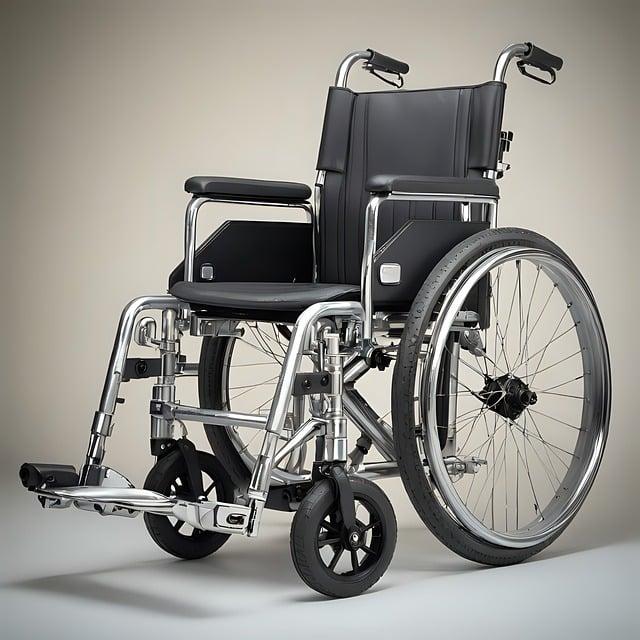
Evolution of Electric Wheelchairs Over Time
Electric wheelchairs have come a long way since their inception, revolutionizing mobility for individuals with disabilities. The first electric wheelchair was created by George Klein in the 1950s, a Canadian inventor who wanted to provide greater independence for people with mobility issues. Klein’s invention paved the way for future advancements in the field of electric wheelchairs.
Over time, electric wheelchairs have evolved in terms of design, functionality, and features. Manufacturers have incorporated innovative technology to make electric wheelchairs more user-friendly and efficient. Some key developments in the evolution of electric wheelchairs include:
– Introduction of joystick controls for easier maneuverability
– Lightweight and foldable designs for increased portability
– Enhanced battery life and charging capabilities for longer usage
– Integration of smart technology for remote control and monitoring
Today, electric wheelchairs have become indispensable tools for individuals with mobility challenges, offering them greater freedom and autonomy in their daily lives. As technology continues to advance, we can expect to see even more exciting developments in the field of electric wheelchairs.
Benefits of Electric Wheelchairs for Users
Electric wheelchairs have revolutionized the mobility and independence of individuals with disabilities. Thanks to advancements in technology, users can now enjoy a wide range of benefits that traditional wheelchairs simply cannot provide. These benefits include:
– **Increased Mobility**: Electric wheelchairs can be controlled with ease, allowing users to move around independently without relying on assistance from others.
– **Improved Comfort**: Many electric wheelchairs come with adjustable seating options, providing enhanced comfort for users who need to sit for extended periods.
– **Versatility**: Electric wheelchairs are designed to navigate various terrains, giving users the freedom to move both indoors and outdoors.
– **Reduced Strain**: With the help of electric motors, users can avoid the physical strain that comes with manual wheelchair propulsion, preserving their energy for other tasks.
When it comes to the history of electric wheelchairs, the credit for creating the first one goes to George Klein, a Canadian inventor. In the 1950s, Klein developed the Electric Wheelchair II, which was powered by a rechargeable battery and featured a joystick control system. This groundbreaking invention laid the foundation for the electric wheelchairs we know today, showcasing the potential of technology to enhance the lives of individuals with mobility challenges.
Importance of Accessibility in Designing Mobility Devices
Electric wheelchairs have revolutionized mobility for individuals with disabilities, providing them with increased independence and freedom of movement. These devices have become an essential tool for many people around the world, allowing them to navigate their surroundings with ease.
When it comes to designing mobility devices, accessibility is of utmost importance. Ensuring that the devices are user-friendly and easy to operate is crucial for the individuals who rely on them for daily assistance. Accessibility features such as adjustable seating, easy-to-reach controls, and smooth maneuverability are key components that enhance the overall user experience.
One of the pioneers in the development of the first electric wheelchair was George Klein, a Canadian inventor who created the device in the 1950s. Klein’s innovative design paved the way for future advancements in mobility technology, setting a foundation for the electric wheelchairs we see today.
As we continue to progress in the field of mobility device design, it is essential to prioritize accessibility and inclusivity in order to improve the quality of life for individuals with disabilities. By focusing on creating user-centric designs and incorporating innovative features, we can ensure that everyone has equal access to mobility assistance.

Innovations in Power Sources for Electric Wheelchairs
The first electric wheelchair was created by George Klein in 1953. Klein, a Canadian inventor, designed the motorized wheelchair for World War II veterans who had spinal cord injuries. This revolutionary invention paved the way for modern electric wheelchairs that provide mobility and independence to millions of people worldwide.
Key historical insights on the creation of the first electric wheelchair:
– George Klein was inspired to develop the electric wheelchair after seeing injured veterans struggle with manual wheelchairs.
– The electric wheelchair was initially called the “Klein Drive Chair” and was designed to be more efficient and easier to maneuver than manual wheelchairs.
– Klein’s invention marked a significant milestone in the history of mobility devices, leading to further .
Today, electric wheelchairs continue to evolve with advancements in battery technology, motor efficiency, and ergonomic design. These innovations have greatly improved the quality of life for individuals with mobility impairments, providing them with greater freedom and autonomy in their daily activities.
Considerations When Choosing an Electric Wheelchair
When choosing an electric wheelchair, there are several important considerations to keep in mind to ensure you select the right one for your needs. Here are a few key factors to consider:
- Size and Weight: Make sure the electric wheelchair can fit through doorways and hallways in your home comfortably. Consider the weight capacity to ensure it can support your weight.
- Battery Life: Check the battery life of the wheelchair to ensure it meets your daily needs without needing frequent charging.
- Comfort: Look for features such as adjustable seating, padded armrests, and a comfortable backrest to ensure a pleasant riding experience.
- Maneuverability: Consider the turning radius and overall maneuverability of the wheelchair, especially if you will be using it indoors or in tight spaces.
By taking these factors into account, you can make an informed decision when choosing an electric wheelchair that suits your lifestyle and mobility needs.
Future Trends in Electric Wheelchair Technology
Historical Insights
When discussing the history of electric wheelchairs, it is important to note that the first prototype was created by George Klein, a Canadian inventor, in the 1950s. Klein was inspired to develop the electric wheelchair after seeing injured veterans struggling to navigate their manual wheelchairs.
After years of refining his design, Klein successfully unveiled the first electric wheelchair in 1953. This breakthrough invention revolutionized mobility for individuals with disabilities, providing them with increased independence and freedom.
It is fascinating to see how Klein’s innovation paved the way for future advancements in electric wheelchair technology. Today, electric wheelchairs continue to evolve, with new features and capabilities being introduced to enhance the user experience.
Key Takeaways:
- George Klein created the first electric wheelchair in the 1950s.
- The invention of the electric wheelchair revolutionized mobility for individuals with disabilities.
- Electric wheelchair technology continues to advance, providing users with enhanced independence and freedom.
Concluding Remarks
In conclusion, the development of the first electric wheelchair can be credited to several inventors who contributed their innovative ideas and technical expertise. From George Klein’s groundbreaking design in the 1950s to the advancements made by various engineers over the decades, the electric wheelchair has come a long way in improving the mobility and independence of individuals with disabilities. Understanding the historical insights behind the creation of the first electric wheelchair can provide valuable context on how far assistive technology has come and the possibilities for further innovation in the future. Remember, progress always begins with a single spark of creativity and determination. Keep exploring and pushing boundaries to create a more inclusive and accessible world for all. Thank you for joining us on this journey through history!