

Curious about the road rules surrounding electric bikes on bike paths? In this article, we’ll explore the regulations and considerations for using electric bikes on bike paths, so you can ride confidently and responsibly. Let’s dive in and discover what you need to know.
Contents
- Road Rules: Can Electric Bikes Be Used on Bike Paths?
- Using Electric Bikes on Bike Paths
- Understanding Electric Bikes and Their Classification
- Legal Regulations Surrounding Electric Bike Use on Bike Paths
- Safety Considerations for Electric Bike Riders on Bike Paths
- Differentiating Electric Bikes from Traditional Bicycles
- Impact of Electric Bikes on Bike Path Traffic and Congestion
- Enforcement of Electric Bike Regulations on Bike Paths
- Benefits of Allowing Electric Bike Use on Bike Paths
- Potential Risks and Challenges of Electric Bike Use on Bike Paths
- Recommendations for Local Governments Regarding Electric Bike Usage on Bike Paths
- Promoting Safe and Responsible Riding Practices for Electric Bikes on Bike Paths
- Future Outlook
- Charging Expenses: Are Electric Bikes Expensive to Charge Regularly?
- 48V Lithium Battery Charger for Electric Bike: Keep Your Ride Ready to Go
- Performance Comparison: Are Electric Bikes Better Than Regular Bikes?
- Road Legal: Are Electric Bikes Allowed on the Road in Your Area?
- Explore Honolulu: Electric Bike Rentals - Your Guide
- Best Electric Hunting Bike: Stealthy and Efficient Transportation
Road Rules: Can Electric Bikes Be Used on Bike Paths?
Using Electric Bikes on Bike Paths
Electric bikes, also known as e-bikes, have become increasingly popular for commuting and recreational purposes. But when it comes to using them on bike paths, there can be some confusion about the rules and regulations. Here are some key points to keep in mind:
- Check local regulations: Before hitting the bike path with your e-bike, it’s crucial to check local laws and regulations regarding their use. Some areas may have specific rules about e-bike speeds, power output, and where they are allowed to ride.
- Respect other users: Whether you’re on a traditional bike or an e-bike, it’s essential to be courteous and respectful to other path users. Keep your speed in check, signal your intentions, and always yield to pedestrians.
- Know the difference: Not all bike paths are created equal. Some paths are designated for non-motorized vehicles only, while others may allow e-bikes with certain restrictions. Be sure to understand the rules specific to the path you plan to ride on.

Understanding Electric Bikes and Their Classification
Electric bikes, also known as e-bikes, have gained popularity in recent years as an alternative mode of transportation for those looking for a more eco-friendly option. However, when it comes to using electric bikes on bike paths, there are some important rules and regulations to keep in mind.
First and foremost, it’s essential to understand the classification of electric bikes, as different types may have different rules governing where they can be ridden. In general, there are three main categories of electric bikes:
- Class 1: Pedal-assist electric bikes that provide assistance only while the rider is pedaling.
- Class 2: Throttle-assist electric bikes that can be powered without pedaling.
- Class 3: Pedal-assist electric bikes that can reach higher speeds, typically up to 28 mph.
When it comes to using electric bikes on bike paths, the rules can vary depending on local regulations. In general, Class 1 and Class 2 electric bikes are more likely to be allowed on bike paths, while Class 3 electric bikes may be restricted due to their higher speeds. It’s essential to check with your local authorities to understand the specific rules in your area.

Legal Regulations Surrounding Electric Bike Use on Bike Paths
There are specific legal regulations that govern the use of electric bikes on bike paths, and it is important for riders to understand these rules to ensure they are compliant and safe. Here are some key points to keep in mind:
- Classification of Electric Bikes: Electric bikes are classified into different categories based on their speed and power capabilities. In general, electric bikes that are pedal-assisted and have a max speed of 20 mph are considered legal for bike path use.
- Age Restrictions: Some jurisdictions may have age restrictions for operating electric bikes on bike paths. It is crucial to check and adhere to the local regulations to avoid penalties.
- Use of Bike Lanes vs. Bike Paths: While electric bikes may be allowed on bike paths, they may not necessarily be permitted on bike lanes or roads. Riders should be aware of the distinction and follow the designated routes.
By understanding and following these legal regulations, electric bike riders can enjoy a safe and compliant riding experience on bike paths.

Safety Considerations for Electric Bike Riders on Bike Paths
When riding an electric bike on bike paths, there are several safety considerations to keep in mind to ensure a smooth and safe experience for yourself and other path users. Here are some important points to remember:
- Always be aware of your surroundings and watch out for pedestrians, cyclists, and other road users.
- Adhere to the speed limits and follow all traffic rules and regulations applicable to bike paths.
- Use hand signals when turning or stopping to communicate your intentions to other path users.
- Keep a safe distance from other cyclists or pedestrians to avoid collisions.
- Wear appropriate safety gear such as helmets and reflective clothing to increase your visibility on the path.
By following these safety considerations and being mindful of your actions on bike paths, you can enjoy a safe and pleasant ride on your electric bike while respecting the rules and rights of other path users.

Differentiating Electric Bikes from Traditional Bicycles
Electric bikes, also known as e-bikes, have been gaining popularity in recent years for their convenience and eco-friendly features. However, it is important to understand the differences between electric bikes and traditional bicycles, especially when it comes to where they can be ridden.
One key difference between electric bikes and traditional bicycles is their power source. Electric bikes are equipped with a motor that assists the rider when pedaling, making it easier to climb hills and travel longer distances. In contrast, traditional bicycles rely solely on the rider’s pedaling power.
When it comes to using electric bikes on bike paths, the rules may vary depending on local regulations. In some areas, electric bikes are allowed on bike paths as long as they adhere to certain speed limits and guidelines. It is important for riders to familiarize themselves with the specific rules in their area to avoid any potential conflicts with other cyclists or pedestrians.
Overall, electric bikes offer a convenient and sustainable alternative to traditional bicycles. By understanding the differences between the two and knowing the rules for riding electric bikes on bike paths, cyclists can enjoy a smooth and safe riding experience. Remember to always ride responsibly and follow local regulations to ensure a positive experience for all road users.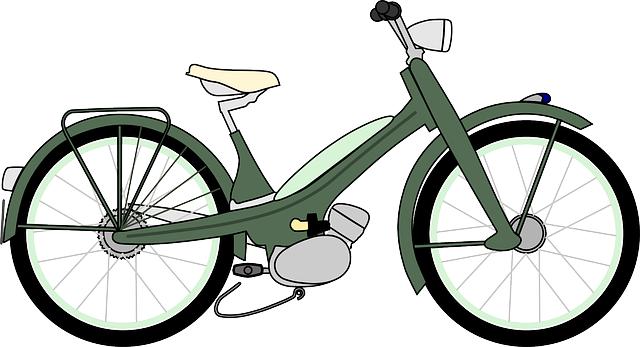
Impact of Electric Bikes on Bike Path Traffic and Congestion
Electric bikes have become increasingly popular in recent years, offering a convenient and eco-friendly mode of transportation for many individuals. However, their impact on bike path traffic and congestion is a topic of debate among cyclists and city officials alike.
One of the main concerns raised is whether electric bikes should be allowed on bike paths. Some argue that the speed and power of electric bikes can pose a safety risk to other cyclists and pedestrians on crowded paths. On the other hand, proponents of electric bikes argue that they provide a viable alternative to traditional bicycles and can help reduce traffic congestion on city streets.
In some areas, regulations have been put in place to address these concerns. For example, certain cities have implemented speed limits for electric bikes on bike paths, or restricted their use to designated lanes. These measures aim to strike a balance between promoting the use of electric bikes and ensuring the safety of all path users.
Overall, the is a complex issue that requires careful consideration of various factors. As the popularity of electric bikes continues to grow, it is important for cities to implement policies that promote the safe and responsible use of these vehicles on bike paths.
Enforcement of Electric Bike Regulations on Bike Paths
Electric bikes have become increasingly popular as a mode of transportation and recreation, leading to questions about where they can be ridden legally. When it comes to bike paths, the regulations surrounding electric bikes can vary depending on the specific location. It’s important for riders to be aware of the rules in place to ensure they are riding safely and within the boundaries of the law.
In some areas, electric bikes are permitted on bike paths as long as they adhere to certain speed limits. This allows riders to enjoy the convenience of electric assistance while sharing the path with traditional cyclists. However, in other areas, electric bikes may be restricted from bike paths altogether, requiring riders to use designated bike lanes or roadways instead.
is crucial to maintaining the safety of all path users. Local authorities may monitor bike paths and issue fines to riders who are not complying with the rules. It’s important for electric bike riders to familiarize themselves with the regulations in their area and ride responsibly to avoid any potential consequences.
Overall, the key is for electric bike riders to exercise caution and respect for other path users when riding on bike paths. By following the rules and guidelines set forth by local authorities, riders can enjoy the benefits of electric biking while ensuring the safety and enjoyment of all path users.
Benefits of Allowing Electric Bike Use on Bike Paths
Allowing electric bikes to be used on bike paths can have numerous benefits for both cyclists and the community as a whole. One major advantage is increasing accessibility for individuals who may not have the physical ability to ride a traditional bike long distances. Electric bikes provide a way for people with mobility limitations to still enjoy the benefits of cycling and outdoor activity.
Additionally, allowing electric bikes on bike paths can help reduce traffic congestion in urban areas. By encouraging more people to use electric bikes for commuting or running errands, fewer cars will be on the road, leading to less pollution and a decrease in overall traffic volume. This can ultimately lead to a greener and more sustainable transportation system for our cities.
Another benefit is the promotion of a healthier lifestyle for individuals who may not have the time or energy to engage in regular physical activity. Electric bikes make cycling more achievable for those who may be hesitant to ride a traditional bike due to physical fitness concerns. This can lead to improved overall health and well-being for more people in the community.
Overall, allowing electric bikes on bike paths can lead to a more inclusive, sustainable, and healthy transportation system that benefits individuals and the environment alike. By embracing new technology and promoting alternative modes of transportation, we can create a more vibrant and dynamic community for everyone.
Potential Risks and Challenges of Electric Bike Use on Bike Paths
Electric bikes are gaining popularity as a convenient and eco-friendly mode of transportation, but their use on bike paths comes with potential risks and challenges that need to be addressed. While electric bikes offer many benefits, including helping riders to navigate hilly terrain and commuting long distances with ease, they also present unique challenges when sharing the road with traditional bicycles.
Some include:
- Speed Differences: Electric bikes can reach higher speeds than traditional bicycles, creating potential hazards when sharing crowded bike paths with slower-moving cyclists and pedestrians.
- Handling Issues: The increased weight and power of electric bikes can make them more difficult to maneuver, especially for inexperienced riders, leading to accidents and collisions.
- Infrastructure Challenges: Bike paths may not be equipped to accommodate the growing number of electric bikes, leading to congestion and conflicts between different types of users.
| Challenge | Solution |
|---|---|
| Speed Differences | Enforce speed limits on bike paths and provide designated lanes for electric bikes. |
| Handling Issues | Offer training programs for electric bike riders to improve their skills and safety awareness. |
| Infrastructure Challenges | Invest in expanding and improving bike path infrastructure to accommodate the increasing popularity of electric bikes. |
Recommendations for Local Governments Regarding Electric Bike Usage on Bike Paths
When it comes to electric bike usage on bike paths, local governments play a crucial role in establishing rules and regulations to ensure the safety of all users. Here are some recommendations for local governments to consider:
- Educational Campaigns: Launching campaigns to educate both electric bike riders and traditional cyclists about the rules and etiquette of using bike paths can help promote harmony and safety.
- Designated Lanes: Creating separate lanes for electric bikes and traditional bikes can help minimize conflicts and ensure a smoother flow of traffic on bike paths.
- Speed Limits: Implementing speed limits specifically for electric bikes can prevent accidents and collisions with pedestrians or slower cyclists.
- Enforcement: Enforcing these rules through signage, patrols, and fines for violators can help maintain order and safety on bike paths.

Promoting Safe and Responsible Riding Practices for Electric Bikes on Bike Paths
Electric bikes have become increasingly popular in recent years, offering a convenient and eco-friendly mode of transportation for many individuals. However, when it comes to using electric bikes on bike paths, there are specific rules and considerations that riders should keep in mind to ensure the safety of everyone on the path.
One important rule to remember is that electric bikes are typically allowed on bike paths, but it’s essential to check the specific regulations in your area. Some bike paths may have restrictions on the use of electric bikes, so be sure to familiarize yourself with the rules before hitting the path.
When riding an electric bike on a bike path, it’s crucial to maintain a safe speed and be aware of your surroundings at all times. Slow down when approaching pedestrians or other cyclists, and always yield to those on foot. Additionally, be sure to signal your intentions when passing or turning to alert others on the path.
By , we can ensure that everyone can enjoy the benefits of these innovative vehicles while also respecting the rights of others to share the path. Let’s work together to create a harmonious environment where cyclists of all kinds can coexist peacefully and safely on our bike paths.
Future Outlook
In conclusion, understanding the road rules regarding electric bikes on bike paths is essential to ensure safety and compliance with local regulations. While policies vary by location, it is generally accepted that electric bikes can be used on bike paths as long as they adhere to the designated speed limits and classifications. Remember to always stay informed on the specific rules in your area and ride responsibly to enjoy a smooth and enjoyable biking experience. Stay safe and happy riding!