

Is your scooter refusing to start with the electric starter? Don’t panic! In this article, we will guide you through some common troubleshooting steps to help you diagnose and fix the issue with ease. With some simple tips and a touch of know-how, you’ll be back on the road in no time. Let’s get started!
Contents
- Common Reasons for Electric Starter Failure
- Check Your Battery and Connections
- Inspect the Starter Motor
- Troubleshoot the Ignition Switch
- Examine the Solenoid
- Evaluate the Starter Relay
- Assess the Spark Plug
- Diagnose the Charging System
- Consider Engine Compression Issues
- Seek Professional Help if Necessary
- Insights and Conclusions
- Does an Electric Scooter Need to Be Registered? Legal Requirements!
- How to Get a Free Electric Scooter: Surprising Ways Unveiled!
- How Far Can an Electric Scooter Travel? Range Explained!
- Electric Scooter for College: Convenient Campus Transportation!
- ICD 10 Code for Fall from Electric Scooter: Understanding Injury Codes
- Best Electric Scooter for Winter: Conquer the Cold with Ease
Common Reasons for Electric Starter Failure
Underneath your scooter’s sleek exterior lies a complex system of components that work together to make it run smoothly. One of the crucial parts that ensure your scooter starts and runs efficiently is the electric starter. When your scooter won’t start with the electric starter, it can be frustrating and confusing. There are several that you can troubleshoot with ease.
- Dead Battery: One of the most is a dead or weak battery. Check the battery’s voltage with a multimeter to ensure it has enough charge to power the electric starter.
- Loose Connections: Over time, the connections to the electric starter can become loose or corroded, resulting in a poor connection. Inspect the connections and tighten any loose bolts or screws to ensure a secure connection.
- Starter Relay Failure: The starter relay is responsible for sending power from the battery to the electric starter. If the starter relay fails, the electric starter won’t receive power, causing it to malfunction. Replace the starter relay if necessary.
- Worn Starter Motor: The starter motor is what physically turns the engine over to start your scooter. If the starter motor is worn or damaged, it may struggle to turn the engine over, resulting in electric starter failure. Consider replacing the starter motor if it is worn out.
Check Your Battery and Connections
One of the most common reasons why a scooter won’t start with the electric starter is due to issues with the battery and connections. It’s important to regularly check these components to ensure your scooter runs smoothly. Here are some easy ways to troubleshoot:
- Check the battery terminals for any corrosion or loose connections. Clean them with a wire brush if needed.
- Inspect the battery for any signs of damage or wear. Replace if necessary.
- Test the battery with a multimeter to ensure it’s holding a charge.
- Check the wiring connections between the battery, starter, and ignition system for any loose or damaged wires.
By taking the time to regularly, you can prevent issues with your scooter’s electric starter and ensure a smooth ride every time you hop on.
Inspect the Starter Motor
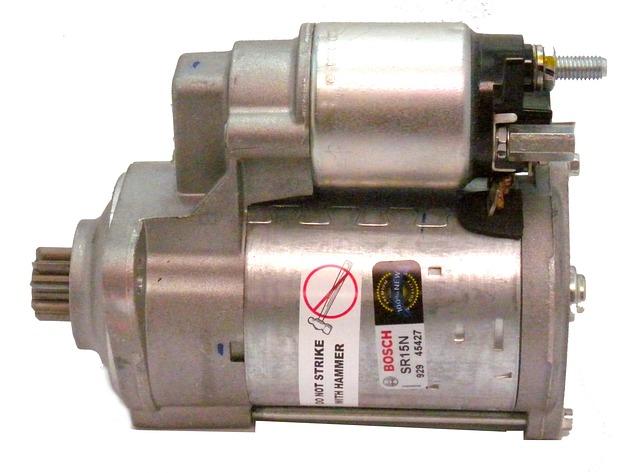
One common issue that scooter owners may face is a scooter that won’t start using the electric starter. If you find yourself in this situation, one of the first things to check is the starter motor. Here’s how you can troubleshoot this problem with ease:
- Start by checking the wiring connections to the starter motor. Make sure that all connections are tight and secure.
- for any signs of damage or wear. Look for frayed wires, corrosion, or other visible issues.
- Test the starter motor using a multimeter to check for continuity. If the motor fails this test, it may need to be replaced.
By inspecting the starter motor and following these troubleshooting steps, you can determine if the issue lies with the motor itself or if there is a different problem causing your scooter not to start.

Troubleshoot the Ignition Switch
If your scooter is not starting with the electric starter, it could be due to issues with the ignition switch. By troubleshooting this component, you can quickly get your scooter up and running again.
One common issue with the ignition switch is a loose connection. Check the wiring connected to the switch to ensure everything is secure. If any wires are loose or frayed, they may need to be repaired or replaced.
Another possible cause of ignition switch problems is a faulty switch itself. To determine if this is the issue, you can test the switch with a multimeter. If the switch is not sending the proper voltage, it may need to be replaced.
In some cases, the ignition switch may simply need to be cleaned. Dirt and debris can build up over time, causing the switch to malfunction. Use a clean cloth and a small amount of electrical contact cleaner to gently clean the switch and remove any buildup.
Examine the Solenoid
One common culprit for a scooter not starting with the electric starter is the solenoid. The solenoid is a key component in the starting system, responsible for engaging the starter motor when you press the start button. If the solenoid is faulty or malfunctioning, it can prevent the starter motor from receiving the necessary voltage to crank the engine.
To , follow these steps:
– Locate the solenoid on your scooter. It is typically located near the battery or starter motor.
– Check the wiring connections to ensure they are secure and not corroded. Loose or corroded connections can disrupt the flow of electricity to the solenoid.
– Test the solenoid using a multimeter to measure the continuity. A lack of continuity indicates a faulty solenoid that needs to be replaced.
– If the solenoid is functioning properly, consider checking other components such as the battery, starter motor, and ignition switch to pinpoint the root cause of the starting issue.
By examining the solenoid and troubleshooting any issues, you can potentially resolve the problem with your scooter’s electric starter and get back on the road in no time.
Evaluate the Starter Relay
Evaluating the starter relay is a crucial step in troubleshooting why your scooter won’t start with the electric starter. The starter relay is responsible for transmitting electrical current to the starter motor, so if it’s malfunctioning, your scooter won’t be able to start. Here’s how you can easily to determine if it’s the culprit:
- Check for power: Use a multimeter to test if the starter relay is receiving power when you press the electric starter button. If there is no power, this could indicate a problem with the relay or the wiring.
- Listen for clicks: When you press the electric starter button, listen for a clicking sound coming from the starter relay. If you don’t hear a click, it could mean the relay is faulty.
If after evaluating the starter relay you determine that it is indeed the issue, you will need to replace it with a new one. Make sure to choose a high-quality replacement to ensure reliable performance. Always refer to your scooter’s manual for specific instructions on how to replace the starter relay.
Assess the Spark Plug
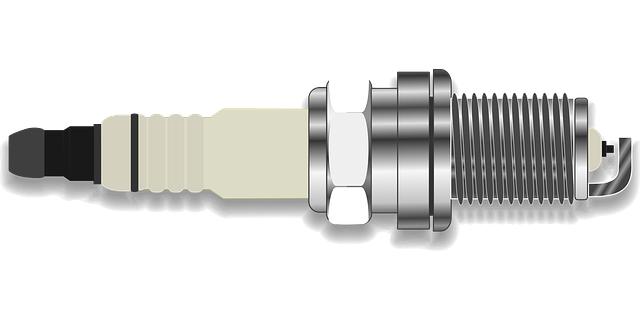
When troubleshooting why your scooter won’t start with the electric starter, one important component to assess is the spark plug. The spark plug is a crucial part of the ignition system, responsible for creating the spark needed to ignite the air and fuel mixture in the engine. If the spark plug is faulty or dirty, it can prevent your scooter from starting.
To , follow these steps:
- Locate the spark plug – It is typically found near the top of the engine and connected to the ignition coil.
- Remove the spark plug – Use a spark plug socket wrench to carefully unscrew the spark plug from the engine.
- Inspect the spark plug – Look for any signs of damage, wear, or fouling on the spark plug.
- Clean or replace the spark plug – If the spark plug is dirty or damaged, clean it with a wire brush or replace it with a new one.
By assessing and potentially replacing the spark plug, you may solve the issue of your scooter not starting with the electric starter. If the problem persists, there may be other issues at play that will need further troubleshooting.

Diagnose the Charging System
To of your scooter when the electric starter won’t work, you’ll need to follow a few simple steps. First, check the battery to ensure it is fully charged and in good condition. If the battery is low or damaged, it may not provide enough power to start the scooter.
Next, inspect the connections between the battery, starter, and charging system components. Loose or corroded connections can prevent the charging system from working properly. Make sure all connections are tight and clean to ensure proper power flow.
If the battery and connections are in good condition, you may need to test the voltage output of the charging system using a multimeter. This will help you determine if the alternator or regulator/rectifier is functioning correctly. **Here is a simple guide to help you troubleshoot the charging system of your scooter:**
| 1. Check the battery voltage | Ensure the battery is fully charged |
| 2. Inspect connections | Ensure all connections are tight and clean |
| 3. Test charging system | Use a multimeter to check voltage output |
By following these steps, you can identify and resolve any issues with the charging system of your scooter, allowing you to get back on the road with ease. Remember, proper maintenance and regular inspections are key to ensuring your scooter’s electrical components work smoothly.
Consider Engine Compression Issues
When your scooter refuses to start with the electric starter, one possible culprit could be engine compression issues. Here are some key points to consider:
- Check for compression leaks: Inspect the cylinder head gasket, piston rings, and valves for any signs of wear or damage that may be causing compression leaks.
- Test compression levels: Use a compression tester to measure the compression levels in each cylinder. Low compression could indicate worn piston rings or cylinder walls.
- Inspect the spark plug: A fouled or worn spark plug can also affect engine compression. Make sure the spark plug is in good condition and properly gapped.
Addressing engine compression issues promptly can help get your scooter back on the road quickly and efficiently. If you’re unsure how to troubleshoot or repair compression problems, don’t hesitate to consult a professional mechanic for assistance.

Seek Professional Help if Necessary
If you have tried all the troubleshooting tips mentioned above, but your scooter still won’t start with the electric starter, it might be time to seek professional help. There could be underlying issues that require the expertise of a mechanic to diagnose and fix.
Don’t hesitate to contact a reputable scooter repair shop or mechanic for assistance. They have the tools and knowledge to identify the root cause of the problem and perform the necessary repairs. Ignoring the issue or attempting DIY fixes without the proper skills could potentially make the problem worse.
Professional mechanics can also provide preventive maintenance services to ensure your scooter is in top condition and avoid future starting issues. Remember, it’s always better to be safe than sorry when it comes to the performance and safety of your vehicle.
In conclusion, if you are unable to troubleshoot the electric starter problem on your scooter, it’s best to leave it to the professionals. They can effectively diagnose and fix the issue, saving you time and hassle in the long run. Don’t hesitate to reach out for assistance when needed.
Insights and Conclusions
In conclusion, troubleshooting a scooter that won’t start with the electric starter is not as daunting as it may seem. By following these simple steps and checking the key components, you can easily diagnose and resolve the issue. Remember to inspect the battery, spark plug, and ignition system, as well as checking for any loose connections or faulty switches. With a little patience and know-how, you’ll have your scooter up and running in no time. Don’t hesitate to reach out to a professional mechanic if needed. So, next time your scooter won’t start, don’t fret – just follow these simple steps and get back on the road in no time!