

Hoverboards have become a popular choice for kids of all ages, but when is the right time to introduce this futuristic mode of transportation to your child? As parents, it can be daunting to determine the appropriate age for your child to safely enjoy a hoverboard. In this article, we will discuss guidelines and considerations to help you make an informed decision on what age your kid should get a hoverboard.
Contents
- What age is appropriate for a kid to start using a hoverboard?
- Considerations to keep in mind before allowing your child to use a hoverboard
- Physical and cognitive development milestones to look out for
- Safety tips for kids using hoverboards
- Choosing the right hoverboard for your child’s age and skill level
- Supervision and guidance while learning to ride a hoverboard
- Setting boundaries and rules for hoverboard usage
- Benefits of kids using hoverboards
- Potential risks and precautions to avoid accidents
- Balancing fun and safety when introducing a hoverboard to your child
- Encouraging responsibility and accountability with hoverboard usage
- Concluding Remarks
- Navigate with Ease: Hoverboard with Wheel in Middle Design
- Top Picks: Best Hoverboard to Buy - Your Ultimate Guide
- Unleash Your Warrior Spirit: Swagtron Warrior T580 Hoverboard Reviews Revealed
- Plasma X Hoverboard Reviews: Unbiased Evaluation
- Navigate Any Terrain: Hoverboard with Large Wheels
- Stay Charged Up: 3 Pin Charger for Hoverboard Available Now
What age is appropriate for a kid to start using a hoverboard?
When it comes to determining the right age for a kid to start using a hoverboard, there are a few factors to consider. While every child is different, here are some general guidelines to keep in mind:
- Physical coordination: Make sure your child has good balance and coordination before allowing them to use a hoverboard.
- Maturity level: Consider your child’s ability to follow instructions and make safe decisions while using a hoverboard.
- Supervision: It’s important for younger children to have adult supervision while learning how to use a hoverboard.
- Experience: Some kids may be ready to use a hoverboard at a younger age if they have prior experience with similar activities like skateboarding or biking.
Overall, the recommended age for a child to start using a hoverboard is around 8-10 years old. However, every child is different, so it’s important to assess your child’s individual readiness before allowing them to ride a hoverboard.

Considerations to keep in mind before allowing your child to use a hoverboard
Before allowing your child to use a hoverboard, there are several important considerations to keep in mind:
- Age and maturity: Consider your child’s age and level of maturity. While there is no specific age limit for using a hoverboard, younger children may have trouble balancing and controlling the device.
- Safety gear: Ensure that your child wears appropriate safety gear, such as a helmet, knee pads, and elbow pads, while using the hoverboard. This can help protect them in case of falls.
- Training and supervision: Provide proper training on how to use the hoverboard safely before allowing your child to ride it unsupervised. Always supervise younger children while they are using the hoverboard.
- Location: Choose a safe and open area for your child to practice using the hoverboard. Avoid crowded areas, slopes, and uneven terrain that may increase the risk of accidents.
Physical and cognitive development milestones to look out for
When it comes to determining when a child should get a hoverboard, it’s important to consider their physical and cognitive development milestones. These milestones can help parents gauge whether their child is ready to safely use a hoverboard. Here are some key milestones to look out for:
- Ability to maintain balance and coordination
- Understanding of safety rules and precautions
- Development of fine motor skills
- Physical strength and stamina
It’s important to remember that every child develops at their own pace, so it’s crucial to assess your child individually before allowing them to use a hoverboard. If your child meets these milestones and is confident in their abilities, they may be ready to start using a hoverboard.
Remember, safety should always be the top priority when it comes to kids and hoverboards. Be sure to provide proper supervision, safety gear, and instruction before letting your child ride a hoverboard. By considering your child’s development milestones and prioritizing safety, you can make an informed decision about when to introduce a hoverboard to your child.

Safety tips for kids using hoverboards
When it comes to kids using hoverboards, safety should always be a top priority. Here are some important tips to ensure your child stays safe while riding their hoverboard:
- Wear Protective Gear: Make sure your child wears a helmet, knee pads, elbow pads, and wrist guards to prevent injuries in case of falls.
- Supervise Them: Especially for younger kids, always supervise them while they are riding their hoverboard to ensure they are using it safely.
- Practice in a Safe Area: Encourage your child to practice in a safe, open area away from traffic or obstacles until they are comfortable riding their hoverboard.
- Follow Manufacturer Guidelines: Make sure your child follows the manufacturer’s recommended weight limit and age guidelines for their hoverboard.

Choosing the right hoverboard for your child’s age and skill level
When it comes to choosing the right hoverboard for your child, it’s crucial to consider their age and skill level. Not all hoverboards are created equal, and different models are designed with specific age ranges and experience levels in mind. Here’s a helpful guide to help you select the perfect hoverboard for your child:
**Age Recommendations:**
– **Young Children (Ages 5-8):** For younger kids, it’s essential to choose a hoverboard with a lower maximum speed and smaller size to ensure safety and easy maneuverability.
– **Tweens (Ages 9-12):** Older children can handle slightly faster hoverboards with more advanced features like Bluetooth speakers or LED lights to add a fun touch to their riding experience.
– **Teens (Ages 13+):** Teenagers can handle more powerful and versatile hoverboards with higher weight capacities and longer battery life, allowing for more extended rides.
**Skill Level Considerations:**
– **Beginners:** Novice riders should start with basic hoverboards with simple controls and stability features to help them gain confidence and balance.
– **Intermediate:** More experienced riders can opt for hoverboards with advanced features like self-balancing technology and customizable speed settings to challenge and improve their skills.
– **Advanced:** Expert riders may prefer high-performance hoverboards with off-road capabilities and advanced safety features to push the limits of their skills and explore various terrains.
Before making a purchase, make sure to read reviews, check the recommended age and weight limits, and test out the hoverboard yourself to ensure it’s a suitable choice for your child’s age and skill level. With the right hoverboard, your child can enjoy hours of safe and thrilling fun while improving their balance and coordination skills.
Supervision and guidance while learning to ride a hoverboard
When it comes to teaching your child how to ride a hoverboard, proper supervision and guidance are essential. No matter their age, it’s crucial for parents to be actively involved in the learning process to ensure their child’s safety and success.
Here are some important tips for supervising and guiding your child while they learn to ride a hoverboard:
– **Start Slow**: Begin by teaching your child the basics of balancing on the hoverboard while holding onto a stable surface, such as a wall or railing. Encourage them to practice moving forward and backward in a controlled manner before attempting more advanced maneuvers.
– **Use Protective Gear**: Prioritize safety by ensuring your child wears a helmet, knee pads, elbow pads, and wrist guards while riding the hoverboard. This equipment can help prevent serious injuries in case of falls or accidents.
– **Provide Encouragement**: Learning to ride a hoverboard can be challenging, so be sure to offer plenty of encouragement and support to your child. Celebrate their progress and milestones, no matter how small, to boost their confidence and motivation.
Remember, every child learns at their own pace, so be patient and understanding throughout the learning process. By following these tips and providing the necessary supervision and guidance, you can help your child master the skill of riding a hoverboard safely and confidently.
Setting boundaries and rules for hoverboard usage
Age-appropriate boundaries and rules are essential when it comes to allowing your child to use a hoverboard. While there isn’t a set age that applies to every child, it’s important to consider your child’s maturity level and ability to follow instructions.
Some general guidelines to consider when include:
- Supervision: Younger children should always be supervised while using a hoverboard to ensure their safety.
- Protective Gear: Make it a rule that your child wears appropriate safety gear, such as a helmet, knee pads, and elbow pads, whenever they ride their hoverboard.
- Restricted Areas: Establish specific areas where your child is allowed to ride their hoverboard and clearly define areas that are off-limits.
By setting clear boundaries and rules for hoverboard usage, you can help ensure that your child has a safe and enjoyable experience with their new toy. Remember to regularly communicate with your child about the importance of following these rules to prevent accidents and injuries.
Benefits of kids using hoverboards
Hoverboards can offer a wide range of benefits to kids, both in terms of physical health and mental well-being. Here are some of the key advantages of kids using hoverboards:
- Improves balance and coordination: Riding a hoverboard requires kids to use their core muscles and maintain balance, which can help improve their overall coordination skills.
- Encourages outdoor play: Hoverboards can inspire kids to spend more time outdoors, enjoying fresh air and physical activity, rather than being glued to screens indoors.
- Boosts confidence: Mastering the skill of riding a hoverboard can give kids a sense of accomplishment and boost their self-confidence.
- Enhances concentration: Riding a hoverboard requires focus and concentration, which can help improve kids’ cognitive abilities and attention span.
| Age Group | Recommended |
|---|---|
| 6-8 years old | Supervised use |
| 9-12 years old | Independent riding |
| 13+ years old | Advanced riding skills |

Potential risks and precautions to avoid accidents
When it comes to kids and hoverboards, safety should always be the top priority. While hoverboards can be a fun and exciting way for kids to get around, they also come with their own set of risks. Here are some potential risks to be aware of and precautions to take to avoid accidents:
- Age-appropriate use: Make sure your child is old enough and physically coordinated enough to safely operate a hoverboard. Most manufacturers recommend a minimum age of 8 years old.
- Helmet and protective gear: Always ensure your child wears a helmet, knee pads, elbow pads, and wrist guards while using a hoverboard to prevent injuries in case of falls.
- Supervision: Supervise your child when they are using a hoverboard, especially when they are just starting out or using it in a new environment.
- Safe riding environment: Encourage your child to ride their hoverboard in safe, designated areas away from traffic, pedestrians, obstacles, and water bodies.
| Risk | Precaution |
|---|---|
| Falling off the hoverboard | Ensure your child wears protective gear and practices balancing regularly. |
| Hoverboard catching fire | Only use the charger provided by the manufacturer and never leave the hoverboard charging unattended. |
| Over-speeding | Set a speed limit on the hoverboard and teach your child to ride at a safe and controlled speed. |
Balancing fun and safety when introducing a hoverboard to your child
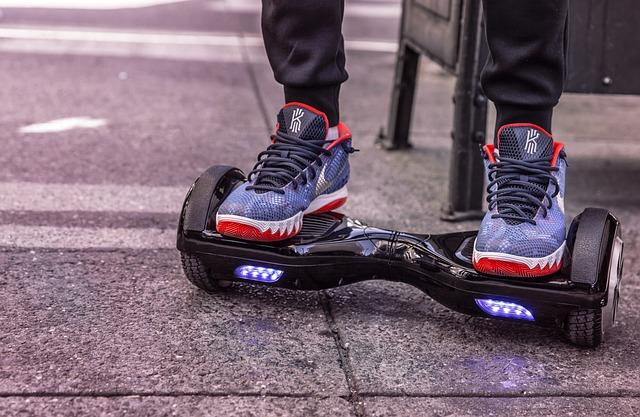
When introducing a hoverboard to your child, it’s important to strike a balance between fun and safety. Hoverboards can provide hours of entertainment and excitement for kids, but they also come with risks if proper precautions aren’t taken. Here are some tips to help you navigate this balance:
– **Age Consideration**: Make sure your child is old enough and mature enough to handle a hoverboard. While there is no specific age requirement, most experts recommend that children be at least 8 years old to safely operate a hoverboard. Younger kids may not have the coordination and balance needed to ride one safely.
– **Safety Gear**: Ensure your child wears the necessary safety gear when riding a hoverboard. This includes a helmet, knee and elbow pads, and wrist guards. These items can provide protection in case of falls or accidents.
– **Training and Supervision**: Before letting your child ride a hoverboard on their own, make sure they receive proper training. Start in a safe, open area where they can practice and gain confidence. Supervise them closely until you are confident in their abilities to ride safely.
– **Set Rules and Boundaries**: Establish rules for where and when your child can ride their hoverboard. Make sure they understand the importance of following these rules and staying within designated boundaries. This can help prevent accidents and keep them safe while enjoying their new toy.
Encouraging responsibility and accountability with hoverboard usage
When it comes to determining the right age for a child to get a hoverboard, it’s important for parents to consider a few key factors. While there isn’t a specific age requirement for using a hoverboard, parents should focus on the child’s maturity level, physical coordination, and ability to follow safety guidelines.
It’s essential for parents to set clear rules and expectations when it comes to hoverboard usage. By establishing guidelines such as wearing protective gear, using the hoverboard in safe areas, and avoiding risky maneuvers, parents can help instill a sense of responsibility and accountability in their children.
Another important aspect of promoting safe hoverboard usage is providing proper supervision. Parents should monitor their child’s behavior while using the hoverboard and intervene if any unsafe practices are observed. This hands-on approach can help prevent accidents and encourage responsible behavior.
Ultimately, by being proactive in teaching children how to use hoverboards safely and responsibly, parents can help ensure that their children enjoy this fun and exciting activity while minimizing the risks involved.
Concluding Remarks
In conclusion, when it comes to deciding what age a kid should get a hoverboard, it’s important to consider their individual readiness, safety precautions, and your own comfort level as a parent. Remember, supervision and proper safety gear are crucial no matter the age. By following the guidelines provided in this parent’s guide, you can help ensure a fun and safe experience for your child. Stay informed, stay cautious, and most importantly, enjoy the ride!