

Are you a new cyclist thinking about trying out an electric bike? Wondering if it’s a difficult skill to master? In this article, we will explore the question: Are electric bikes hard to ride for beginners? Let’s dive in and find out!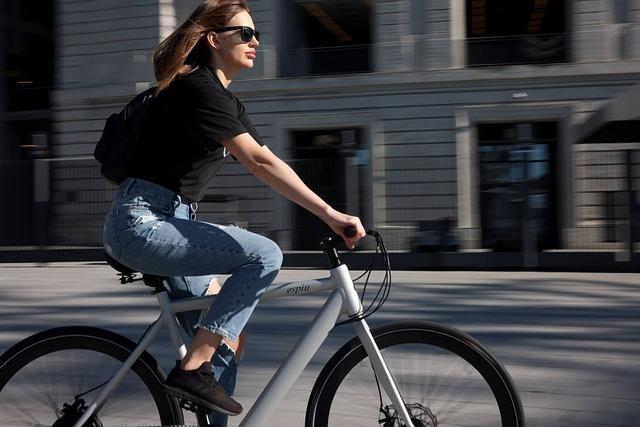
Contents
- Introduction: Understanding the basics of electric bikes
- Factors affecting the ease of riding an electric bike for beginners
- Key differences between riding a traditional bike and an electric bike
- Tips for new cyclists looking to ride an electric bike with confidence
- The importance of adjusting to the unique features of an electric bike
- Challenges new riders may face when switching to an electric bike
- How to build confidence and improve riding skills on an electric bike
- Choosing the right electric bike for your skill level and riding preferences
- Exploring practice techniques to enhance your electric bike riding abilities
- Common misconceptions about riding electric bikes for beginners
- Conclusion: Embracing the learning curve of riding an electric bike as a new cyclist
- Insights and Conclusions
- Efficient Delivery: Best Electric Bike for Food Delivery - Reviews
- Electric Bike Under 2000: Find Your Perfect Ride Within Budget
- 48v Battery for Electric Bike: Power Your Ride with Confidence
- Perfect Fit: Electric Bike for 5ft Woman - Top Picks & Reviews
- Pedal Power: Can You Charge an Electric Bike by Pedaling?
- Hunting Made Fun: Best Off Road Electric Bike Selections
Introduction: Understanding the basics of electric bikes
Electric bikes, also known as e-bikes, have gained popularity in recent years due to their convenience and ease of use. These bikes feature an electric motor that provides pedal assistance, making it easier for riders to tackle hills and longer distances without exerting as much effort as a traditional bike. Despite their technological advancements, many new cyclists wonder if electric bikes are hard to ride.
One of the key benefits of electric bikes is that they are suitable for riders of all skill levels, including beginners. The pedal-assist function allows users to control how much assistance they receive, making it easier to adjust to the bike’s power level. Additionally, most electric bikes come with different riding modes, such as eco, normal, and sport, allowing riders to choose the level of assistance that suits their comfort and skill level.
Another factor that makes electric bikes easy to ride is their ergonomic design. These bikes are typically equipped with comfortable seats, adjustable handlebars, and intuitive controls, ensuring a smooth and enjoyable riding experience. Additionally, the electric motor provides a boost when starting from a standstill, making it easier for new cyclists to get moving without much effort.
In conclusion, electric bikes are not hard to ride for new cyclists. With their adjustable assistance levels, ergonomic design, and user-friendly controls, these bikes provide an accessible and enjoyable riding experience for riders of all skill levels. So, if you’re thinking about trying out an electric bike for the first time, rest assured that you’ll be able to hit the road with ease.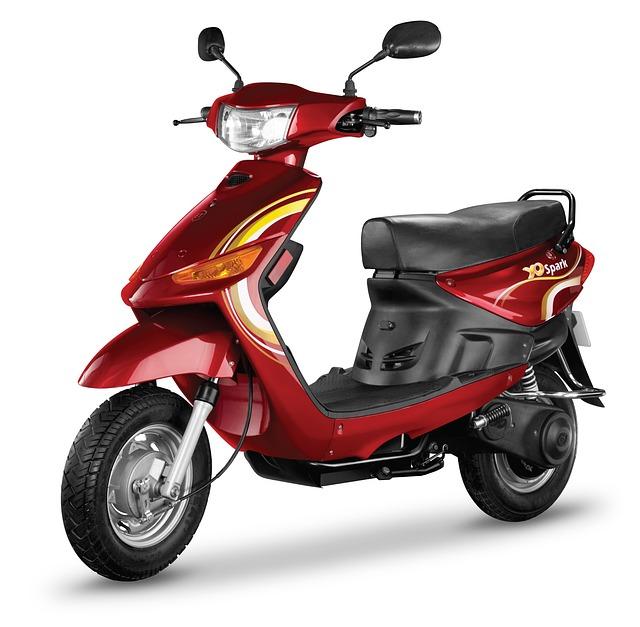
Factors affecting the ease of riding an electric bike for beginners
are crucial to consider before hitting the road. Here are some key elements to keep in mind:
-
Weight of the Bike: Electric bikes tend to be heavier than traditional bikes due to the added electric components. This can make them more challenging to maneuver for beginners, especially when making sharp turns or going uphill.
-
Battery Life and Range: The battery life of an electric bike can greatly impact the ease of riding. A longer battery life means less worry about running out of power mid-ride, while a limited range may require more strategic planning.
- Motor Power: The power of the motor plays a significant role in how easy it is to ride an electric bike. A more powerful motor can provide extra assistance when pedaling, making it easier to tackle tough terrain or maintain speed.
Considering these factors can help new cyclists determine whether an electric bike is the right choice for them and ensure a smoother riding experience.
Key differences between riding a traditional bike and an electric bike
One of the is the amount of effort required. With a traditional bike, riders rely solely on their own pedal power to move forward, whereas electric bikes provide assistance with a motorized boost. This means that riding an electric bike can be less physically demanding, making it a great option for those who may not be as fit or who simply want to enjoy a more leisurely ride.
Another difference is the speed at which you can travel. Electric bikes can reach higher speeds than traditional bikes, thanks to the motorized assistance. This can make your commute faster and more efficient, especially if you have a long distance to cover. However, it’s important to note that some areas may have restrictions on the speed at which electric bikes can travel, so be sure to familiarize yourself with local regulations.
Handling and control is also a key difference between the two types of bikes. Electric bikes tend to be heavier due to the added weight of the motor and battery, which can affect how they handle. While this may take some getting used to, many riders find that the stability of an electric bike actually makes it easier to control, particularly when navigating hills or uneven terrain. Additionally, some electric bikes come equipped with features like pedal-assist modes, which can help new cyclists become more comfortable with riding.
Tips for new cyclists looking to ride an electric bike with confidence
So you’re a new cyclist looking to hop on an electric bike and zip around town with ease? You’re in the right place! Electric bikes can be a game-changer for beginners, providing an extra boost of power to help you pedal up hills and cover longer distances with less effort. Here are some tips to help you ride your electric bike with confidence:
- Start slow: Before you hit the road, take some time to get comfortable on your electric bike. Practice riding in a safe, open area to get a feel for how it handles and accelerates.
- Learn the controls: Electric bikes come with different settings and modes, so make sure you understand how to adjust the power output and use the brakes effectively.
- Be mindful of battery life: Keep an eye on your battery level and plan your rides accordingly. It’s always a good idea to carry a charger with you in case you need to top up along the way.
The importance of adjusting to the unique features of an electric bike
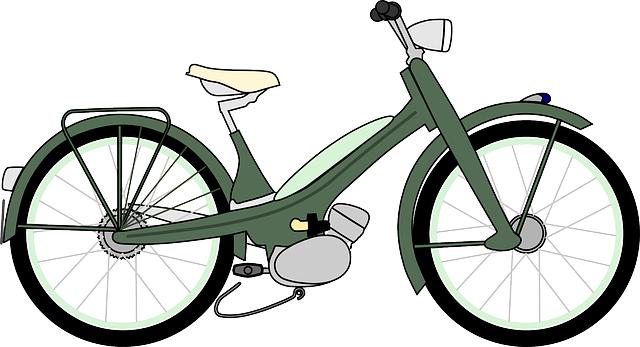
When it comes to riding an electric bike, adjusting to its unique features is key for new cyclists. Electric bikes may seem intimidating at first, but with some practice and understanding, they can be just as easy to ride as a traditional bike. Here are some important tips for adjusting to the unique features of an electric bike:
- Understanding the motor: Electric bikes are equipped with a motor that provides assistance while pedaling. It’s important to get familiar with how the motor works and how to adjust the settings according to your riding preferences.
- Braking: Electric bikes often have different braking systems than traditional bikes. Make sure to practice using the brakes and get a feel for how they respond before hitting the road.
- Handling: Electric bikes may feel slightly heavier due to the motor and battery. Take some time to get used to the handling of the bike, especially when turning and maneuvering in tight spaces.
- Charging: Don’t forget to charge your electric bike regularly to ensure you have enough power for your ride. Get into the habit of plugging it in after each use to avoid any surprises on your next outing.

Challenges new riders may face when switching to an electric bike
Electric bikes have become increasingly popular among cyclists of all levels, offering a convenient and eco-friendly alternative to traditional bicycles. However, new riders may face some challenges when switching to an electric bike for the first time. One of the main challenges is getting used to the added weight of the battery and motor, which can affect the overall handling and balance of the bike.
Another challenge new riders may face is adjusting to the assisted pedaling system of electric bikes. While some may find the extra boost helpful, others may struggle with controlling the speed and power of the motor. It’s important to practice riding at different assist levels to find the right balance for your comfort and skill level.
Additionally, new riders may need to familiarize themselves with the different controls and settings of an electric bike, such as the power modes, pedal assist levels, and battery life indicators. Taking the time to understand how these features work can help improve your overall riding experience and make the transition to an electric bike smoother.
Overall, while there may be some challenges for new riders switching to an electric bike, with practice and patience, these obstacles can be overcome. Electric bikes offer a fun and exciting way to commute, exercise, and explore the outdoors, and with some time and effort, you’ll be riding confidently in no time.
How to build confidence and improve riding skills on an electric bike
Building confidence and improving riding skills on an electric bike may seem daunting for new cyclists, but with the right tips and techniques, anyone can become a proficient rider. Here are some ways to make the learning curve smoother:
- Start slow: Begin your electric bike journey at a pace that feels comfortable for you. Practice in a safe, open area before tackling more challenging terrains.
- Focus on balance: Electric bikes may feel different than traditional bikes, so take time to get used to the weight distribution and handling of the bike.
- Practice makes perfect: The more you ride, the more confident you will become. Set aside time each day to hone your riding skills and gradually push your limits.
Remember, everyone progresses at their own pace, so be patient with yourself as you gain confidence and improve your riding abilities on an electric bike. With dedication and practice, you’ll be cruising like a pro in no time!
Choosing the right electric bike for your skill level and riding preferences
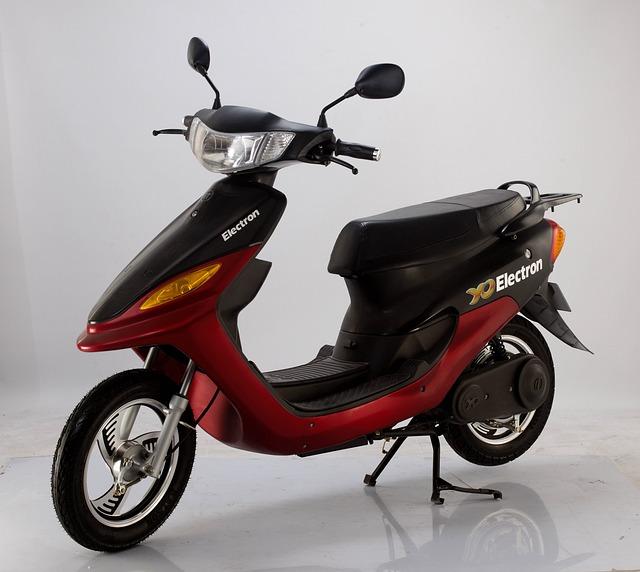
When , it’s important to consider a few key factors. Electric bikes can be a great option for new cyclists, as they provide an extra boost of power to help you up hills and cover longer distances with ease. However, they can also be intimidating for beginners who are not used to the added speed and weight of an electric bike.
One important consideration is the power and speed capabilities of the electric bike. Some bikes are designed for more experienced riders and can reach higher speeds, while others are more beginner-friendly with lower maximum speeds. It’s essential to choose a bike that you feel comfortable handling and that matches your skill level.
Another factor to consider is the type of riding you plan to do. If you will be mostly riding on flat surfaces or paved paths, a city or commuter electric bike may be a good fit. If you plan to do more off-road or mountain biking, a fat tire or mountain electric bike with extra traction and suspension may be more suitable.
Overall, electric bikes can be a fun and accessible option for riders of all skill levels. By choosing a bike that matches your skill level and riding preferences, you can enjoy the benefits of electric assistance while feeling comfortable and confident on the road.

Exploring practice techniques to enhance your electric bike riding abilities
Electric bikes can be a fantastic way to explore your surroundings and improve your cycling abilities. If you’re a new cyclist, you might be wondering if electric bikes are hard to ride. The truth is, electric bikes can actually be easier to ride than traditional bikes, thanks to the assistance provided by the motor. However, there are still some skills and techniques that you can practice to enhance your electric bike riding abilities.
One key skill to work on is your balance and control. Electric bikes can be heavier than traditional bikes, so it’s important to practice balancing while stationary and while riding at different speeds. Additionally, focusing on your braking technique can help you feel more confident and in control while riding your electric bike.
Another important aspect to consider is your handling and cornering abilities. Practice taking corners at different speeds and angles to improve your confidence and agility on your electric bike. Additionally, working on your pedal assist and gear shifting techniques can help you navigate different terrains and ride more efficiently.
Overall, with some practice and dedication, you can enhance your electric bike riding abilities and enjoy all the benefits that electric bikes have to offer. Whether you’re looking to improve your balance, control, handling, or efficiency, there are plenty of practice techniques that can help you become a more skilled electric bike rider.
Common misconceptions about riding electric bikes for beginners
One common misconception about riding electric bikes for beginners is that they are hard to ride. However, this couldn’t be further from the truth! Electric bikes are designed to make cycling easier and more accessible for riders of all skill levels.
Some beginners may worry about the weight of electric bikes, thinking they will be difficult to handle. In reality, electric bikes are equipped with motors that provide assistance when pedaling, making them much easier to ride than traditional bikes. This added power can actually help new cyclists feel more confident on the road.
Another misconception is that electric bikes are only for experienced cyclists. In fact, electric bikes are a great option for beginners who may not have the strength or stamina to ride long distances on a regular bike. The extra boost from the motor can help new cyclists build up their riding skills and endurance over time.
Overall, riding an electric bike as a beginner can be a fun and rewarding experience. With the right training and practice, anyone can enjoy the benefits of electric biking without feeling overwhelmed. So, don’t let misconceptions hold you back from trying out an electric bike for your next cycling adventure!
Conclusion: Embracing the learning curve of riding an electric bike as a new cyclist
Embracing the learning curve of riding an electric bike as a new cyclist can be both exciting and challenging. While electric bikes offer a convenient and eco-friendly mode of transportation, they also require some adjustment for beginners. Here are some key points to consider when starting out on your electric bike journey:
- Practice Makes Perfect: Just like learning to ride a traditional bike, riding an electric bike takes practice. Take the time to get familiar with the controls, speed settings, and braking system before hitting the road.
- Start Slow: Begin your electric bike journey at a comfortable pace. Gradually increase your speed as you gain confidence and experience on the road.
- Be Mindful of Battery Life: Keep an eye on your electric bike’s battery life to avoid running out of power mid-ride. Plan your routes accordingly and make sure to charge your bike regularly.
Insights and Conclusions
In conclusion, electric bikes are not necessarily hard to ride for new cyclists. With proper practice and understanding of the different features and settings, anyone can confidently navigate the roads on an electric bike. Remember to start slow, grasp the basics of e-bike operation, and gradually increase your speed and distance as you gain more experience. By following these tips, you can enjoy all the benefits of electric biking with ease. So, don’t be afraid to give it a try and see how fun and convenient riding an electric bike can be!