

Electric scooters are a convenient and efficient mode of transportation that have skyrocketed in popularity in recent years. To keep your electric scooter running smoothly, it’s important to understand its wiring system. In this easy DIY maintenance guide, we will walk you through the basics of a wiring diagram for electric scooters, empowering you to tackle any electrical issues that may arise with confidence and ease. Let’s dive in and make sure your ride stays in top condition!
Contents
- Troubleshooting Common Wiring Issues in Electric Scooters
- Step-by-Step Guide to Reading and Interpreting Electric Scooter Wiring Diagrams
- Essential Tools Needed for DIY Electric Scooter Wiring Maintenance
- Recommended Safety Precautions When Working with Electric Scooter Wiring
- How to Identify and Replace Faulty Wiring Components in Electric Scooters
- To Wrap It Up
- Electric Scooter for Heavy People: Enjoy Smooth Riding Experiences
- Compact Electric Scooter for Adults: Stylish and Portable Riding
- Ultimate Convenience: 3 Wheel Electric Scooter for Seniors
- Best Electric Scooter NYC: Navigate the City in Style!
- Revel in Comfort: Revelation 3 Wheel Electric Scooter for Adults
- Mobility Solutions: Top 3 Wheel Electric Scooters for Sale Today
Troubleshooting Common Wiring Issues in Electric Scooters
In order to properly maintain your electric scooter, it’s important to become familiar with common wiring issues that may arise. One of the most common problems is loose or disconnected wires, which can lead to malfunctioning components. To troubleshoot this issue, carefully inspect all wiring connections and secure any loose wires with electrical tape or wire connectors.
Another common wiring issue is a blown fuse, which can occur due to overloading the electrical system or a short circuit. To fix this problem, locate the fuse box on your electric scooter and check for any blown fuses. Replace any damaged fuses with ones that have the same amp rating to ensure proper functionality.
It’s also important to check the battery connections in your electric scooter, as loose or corroded terminals can cause electrical issues. Make sure the battery terminals are securely connected and free of any corrosion, and if necessary, clean them with a wire brush to ensure a proper connection.
Additionally, inspect the throttle and brake wiring on your electric scooter, as these components are crucial for controlling the scooter’s speed and stopping. If you notice any frayed or damaged wires, replace them immediately to prevent potential safety hazards. By staying on top of these common wiring issues, you can ensure that your electric scooter remains in optimal condition for years to come.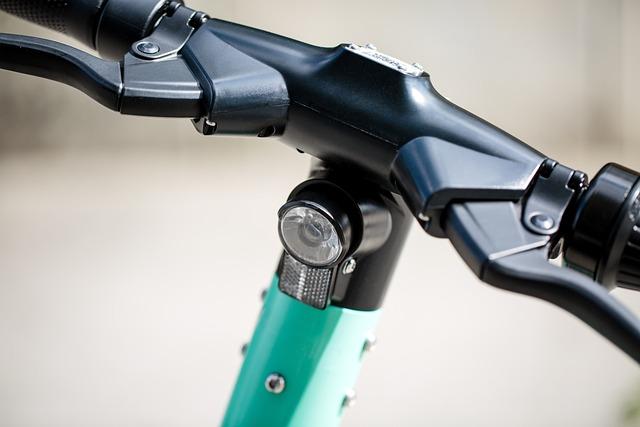
Step-by-Step Guide to Reading and Interpreting Electric Scooter Wiring Diagrams
When it comes to maintaining your electric scooter, one of the essential skills you need is reading and interpreting wiring diagrams. Understanding the electrical system of your scooter is crucial for troubleshooting issues and making repairs. In this step-by-step guide, we will walk you through the process of reading and interpreting electric scooter wiring diagrams.
Identify the Components:
- Begin by familiarizing yourself with the different components on the wiring diagram, such as the battery, motor, controller, and throttle.
- Take note of the symbols used for each component, as they will help you identify them on the diagram.
Trace the Circuits:
- Follow the lines on the wiring diagram to trace the circuits connecting the various components.
- Look for any breaks or interruptions in the circuits that could be causing issues with your scooter.
Check for Voltage and Continuity:
- Use a multimeter to check for voltage at different points in the circuit to ensure that electricity is flowing properly.
- Test for continuity to verify that the connections between components are secure.
Make Necessary Repairs:
- Once you have identified any issues on the wiring diagram, you can make the necessary repairs to get your electric scooter up and running smoothly again.
- Refer back to the diagram as needed throughout the repair process to ensure everything is connected correctly.

Essential Tools Needed for DIY Electric Scooter Wiring Maintenance
When it comes to maintaining the wiring on your electric scooter, having the right tools is essential to ensure a successful DIY project. Here are some of the must-have tools for electric scooter wiring maintenance:
- Multimeter: A multimeter is a crucial tool for testing voltage, continuity, and resistance in your electric scooter wiring.
- Wire Strippers: Wire strippers are essential for removing the insulation from wires to make proper connections.
- Soldering Iron: A soldering iron is necessary for making secure and durable connections when splicing or repairing wires.
- Heat Shrink Tubing: Heat shrink tubing helps protect spliced wires from moisture and provides insulation.
By having these essential tools on hand, you can confidently tackle any wiring maintenance tasks on your electric scooter and ensure that your scooter is running smoothly and safely. Remember to always follow proper safety precautions and procedures when working with electrical components.

Recommended Safety Precautions When Working with Electric Scooter Wiring
When working with electric scooter wiring, it’s important to follow recommended safety precautions to avoid any accidents or damage to the scooter. Here are some guidelines to keep in mind:
– Always wear insulated gloves and goggles to protect yourself from any electrical shocks or sparks.
– Make sure to disconnect the battery before working on the wiring to prevent any short circuits.
– Double-check the wiring diagram for your specific scooter model to ensure you are making the correct connections.
– Use a multimeter to test the voltage of the wiring before touching any components to avoid any surprises.
By following these safety precautions, you can confidently and safely work on the wiring of your electric scooter without any worries. Remember, safety should always come first when dealing with electrical components.
How to Identify and Replace Faulty Wiring Components in Electric Scooters
Identifying and replacing faulty wiring components in electric scooters is essential for ensuring the safety and functionality of your vehicle. By following this easy DIY maintenance guide, you can learn how to effectively troubleshoot and address wiring issues in your electric scooter.
One of the first steps in identifying faulty wiring components is to visually inspect the wires for any signs of damage, such as fraying or exposed wires. Additionally, you can use a multimeter to test the continuity of the wires to determine if there are any breaks in the circuit.
Once you have identified the faulty wiring components, it is important to replace them with new components to ensure the proper functioning of your electric scooter. You can easily find replacement wiring components at your local hardware store or online.
By regularly inspecting and maintaining the wiring components in your electric scooter, you can prevent potential safety hazards and ensure the longevity of your vehicle. Remember to always follow proper safety protocols and consult a professional if you are unsure about any aspect of the maintenance process.
To Wrap It Up
In conclusion, understanding the wiring diagram for your electric scooter is crucial for easy DIY maintenance. By familiarizing yourself with the various components and connections, you can troubleshoot and repair any electrical issues that may arise. Remember to always refer to the manufacturer’s guidelines and safety precautions before attempting any maintenance tasks. With the right knowledge and tools, you can keep your electric scooter running smoothly for years to come. Happy scooting!