

Have you ever dreamed of zipping through the city on an electric bike, effortlessly cruising up hills and reaching top speeds with ease? With the rise in popularity of electric bikes, many cycling enthusiasts are wondering if they can transform their beloved two-wheeler into an electric powerhouse. In this article, we will explore the possibilities of converting your bike to an electric bike, giving you the knowledge and confidence to bring your DIY dreams to life.
Contents
- Introduction: Exploring the Possibility of Converting Your Bike to an Electric Bike
- Considering the Costs and Benefits of Converting Your Bike to Electric
- Choosing the Right Conversion Kit for Your DIY Electric Bike Project
- Understanding the Technical Aspects of Converting Your Bike to Electric
- Assessing the Performance Upgrades of an Electric Bike Conversion
- Exploring Different Battery Options for Your DIY Electric Bike
- Tips for Installing an Electric Bike Conversion Kit Successfully
- Maintenance Tips for Your Newly Converted Electric Bike
- Safety Considerations for Riding a DIY Electric Bike
- Evaluating the Environmental Impact of Converting Your Bike to Electric
- Conclusion: Making an Informed Decision About Converting Your Bike to Electric
- In Summary
- Are Walmart Electric Bikes Any Good? Honest Reviews Inside!
- Mountain Biking Madness: Can I Turn My Mountain Bike Into an Electric Bike?
- Are Electric Bikes OK in the Rain? Your Rain Riding Guide!
- 24 Volt Battery for Electric Bike: Power Up Your Ride
- Speed Test: How Fast Does an Electric Dirt Bike Go?
- Adventure Awaits: Electric Bike Trailer for Sale - Reviews
Introduction: Exploring the Possibility of Converting Your Bike to an Electric Bike
Are you tired of pedaling uphill or struggling to keep up with faster riders? Have you ever wondered if there’s a way to give your trusty bike a boost? Well, you’re in luck! Converting your traditional bicycle into an electric bike is not only possible but also a fun and rewarding DIY project.
By adding an electric motor and a battery to your bike, you can enjoy the benefits of effortless pedaling, increased speed, and longer range. Whether you’re commuting to work, running errands, or just exploring the great outdoors, an electric bike can elevate your cycling experience to a whole new level.
Before you begin your electric bike conversion journey, it’s important to do some research and planning. Consider factors such as your budget, technical skills, and desired performance. With the right tools, parts, and guidance, you can transform your ordinary bike into an extraordinary electric ride that suits your needs and preferences.
In this post, we’ll explore the different options available for converting your bike to an electric bike, discuss the benefits and challenges of DIY electric bike conversions, and provide helpful tips and resources to help you get started on your electrifying adventure. So, buckle up (or rather, pedal up) and let’s dive into the electrifying world of electric bike conversions!
Considering the Costs and Benefits of Converting Your Bike to Electric
When it comes to converting your bike to an electric one, there are several factors to consider in terms of costs and benefits. While the idea of zipping around town on an electric bike may be enticing, it’s important to weigh the pros and cons before taking the plunge. Here are some key points to keep in mind:
- Cost: Converting your bike to electric can be a significant investment. You’ll need to purchase a motor kit, battery, and possibly other components depending on the type of conversion you choose. Make sure to factor in all costs before making a decision.
- Benefits: On the flip side, the benefits of an electric bike are numerous. You’ll enjoy faster speeds, easier hill climbs, and the convenience of motorized assistance when you need it. Plus, you’ll be reducing your carbon footprint and saving money on gas in the long run.
Overall, converting your bike to electric can be a worthwhile endeavor if you’re willing to make the initial investment and embrace the benefits it brings. Just be sure to do your research, compare prices, and choose a conversion kit that fits your needs and budget.
Choosing the Right Conversion Kit for Your DIY Electric Bike Project
When it comes to embarking on a DIY electric bike project, choosing the right conversion kit is crucial for a successful outcome. With so many options on the market, it can be overwhelming to decide which kit is best suited for your specific needs. To help you make an informed decision, here are a few key factors to consider:
- Compatibility: Make sure the conversion kit you choose is compatible with your current bike frame and size. This will ensure a seamless integration and optimal performance.
- Power: Consider the power output of the kit in relation to your desired level of assistance. Whether you prefer a boost for uphill climbs or a faster commute, choose a kit that meets your power requirements.
- Battery: The battery capacity and range are important factors to consider. Determine how far you plan to ride on a single charge and choose a battery that can accommodate your needs.
- Budget: Set a budget for your project and choose a conversion kit that offers the best value for your money. Consider the features and components included in the kit to ensure you get the most bang for your buck.
By taking these factors into consideration, you can confidently choose the right conversion kit for your DIY electric bike project and start enjoying the benefits of an electrified ride.
Understanding the Technical Aspects of Converting Your Bike to Electric
When converting your bike to electric, there are several technical aspects to consider in order to ensure a successful DIY project. Understanding these key elements will help you navigate the process and make informed decisions along the way.
One important consideration is the type of motor you will use for your electric bike conversion. There are three main types to choose from:
- Hub motors: These motors are located in the wheel hub and are popular for their ease of installation.
- Mid-drive motors: These motors are mounted on the bike frame and provide better efficiency and performance, but can be more complex to install.
- Friction drive motors: These motors press against the bike tire to provide propulsion, and are a simple option for some conversions.
Another crucial component to consider is the battery pack for your electric bike. The battery type, capacity, and voltage will all impact the performance and range of your e-bike. Common battery types include lithium-ion and lithium polymer, which offer durability and energy density.
| Battery Type | Pros | Cons |
|---|---|---|
| Lithium-Ion | High energy density, long lifespan | Higher cost, may require special care |
| Lithium Polymer | Lightweight, high capacity | More delicate, shorter lifespan |
Lastly, you’ll need to consider the controller and throttle system for your electric bike conversion. The controller regulates power flow from the battery to the motor, while the throttle allows you to control the speed of your e-bike. Understanding how these components work together will ensure a smooth and efficient conversion process.
Assessing the Performance Upgrades of an Electric Bike Conversion
When considering converting your traditional bike into an electric bike, it’s essential to assess the performance upgrades that come with this transformation. One of the most significant advantages of an electric bike conversion is the increased speed and power that comes with adding a motor to your bike. With the ability to reach speeds of up to 20 mph or more, you’ll find that navigating hills and long distances becomes much easier and more efficient.
Another essential aspect to consider when is the increased range that comes with a battery-powered motor. With a fully charged battery, you can travel up to 20-50 miles on a single charge, depending on the battery capacity and your riding habits.
Additionally, the convenience of pedal-assist and throttle control options can greatly enhance your riding experience. With pedal-assist, you can choose the level of assistance you need while pedaling, making uphill climbs a breeze. Throttle control allows you to accelerate without pedaling, giving you the option to cruise effortlessly when needed.
| Increased Speed | Up to 20 mph or more |
| Increased Range | 20-50 miles on a single charge |
Exploring Different Battery Options for Your DIY Electric Bike
When converting your bike into an electric bike, one of the most important components to consider is the battery. There are several different battery options available, each with their own set of advantages and disadvantages. Here are some popular battery choices to consider for your DIY electric bike project:
– **Lithium-ion Batteries**: These batteries are lightweight, have a high energy density, and are known for their long lifespan. They are a popular choice for electric bikes due to their high performance capabilities.
– **Lead-acid Batteries**: While these batteries are heavier and bulkier than lithium-ion batteries, they are a more cost-effective option. Lead-acid batteries are a good choice for those on a budget or looking for a more traditional battery option.
– **NiMH Batteries**: Nickel Metal Hydride batteries offer a good balance between cost, performance, and energy density. They are a reliable choice for electric bikes and are also more environmentally friendly than some other battery options.
– **LiFePO4 Batteries**: Lithium Iron Phosphate batteries are known for their excellent thermal stability and long cycle life. They are a safe and durable option for electric bike batteries, making them a popular choice for DIY electric bike enthusiasts.
When choosing a battery for your DIY electric bike project, consider factors such as cost, weight, energy density, and lifespan to find the best option for your needs. Experimenting with different battery types can help you find the perfect balance of performance and affordability for your electric bike conversion.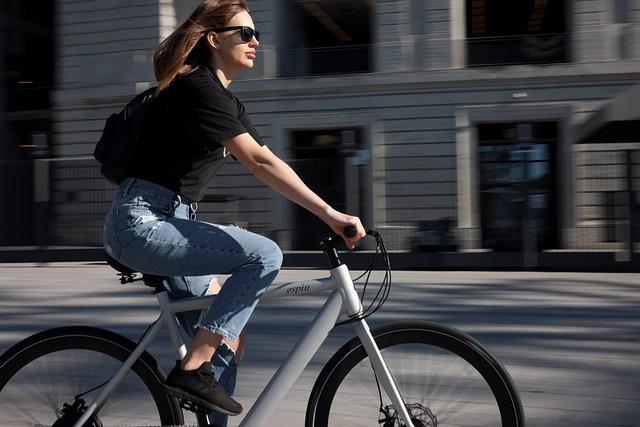
Tips for Installing an Electric Bike Conversion Kit Successfully
Installing an electric bike conversion kit can be a rewarding DIY project for enthusiasts looking to give their old bike a new lease on life. To ensure a successful conversion, follow these tips:
– **Choose the Right Kit:** Before starting the installation process, make sure to choose a conversion kit that is compatible with your current bike model. Consider factors such as wheel size, frame compatibility, and motor power to ensure a seamless installation.
– **Gather the Right Tools:** Having the necessary tools on hand will make the installation process much smoother. Make sure you have tools such as wrenches, screwdrivers, and Allen keys readily available.
– **Follow the Instructions Carefully:** Each conversion kit comes with its own set of installation instructions. Make sure to read through them carefully and follow each step diligently to avoid any mistakes.
– **Test Before Riding:** Once the installation is complete, take the time to test the electric bike in a safe environment before hitting the road. Check the brakes, throttle, and motor to ensure everything is working correctly.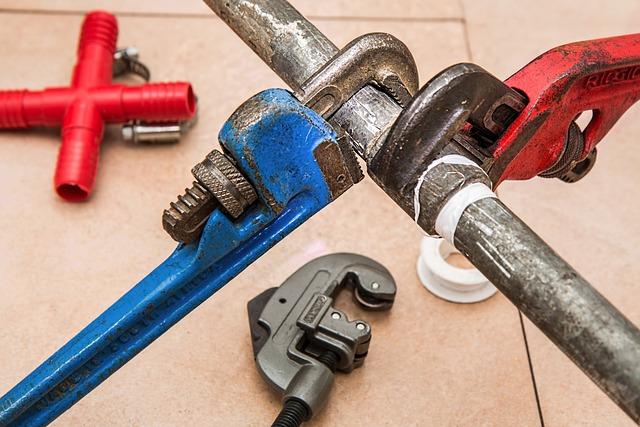
Maintenance Tips for Your Newly Converted Electric Bike
After converting your bike to an electric bike, it is important to follow some maintenance tips to ensure its longevity and optimal performance. Here are some DIY maintenance tips to keep your newly converted electric bike running smoothly:
- Regular Cleaning: Clean your electric bike regularly to prevent dirt and debris from accumulating on crucial components.
- Battery Care: Properly charge and store your battery to extend its lifespan. Avoid overcharging and completely draining the battery.
- Check Tire Pressure: Maintain the recommended tire pressure to improve energy efficiency and prevent flats.
- Inspect Brakes: Regularly inspect and adjust your brakes to ensure they are in proper working condition for safe riding.
| Component | Recommended Maintenance |
|---|---|
| Battery | Charge properly and store in a cool, dry place |
| Motor | Check for signs of wear and tear, lubricate if necessary |
| Chain | Keep clean and lubricated to prevent rust |
By following these maintenance tips, you can enjoy a smooth and trouble-free ride on your newly converted electric bike for years to come.

Safety Considerations for Riding a DIY Electric Bike
When converting your bike to an electric bike, there are several safety considerations that you should keep in mind to ensure a smooth and secure ride. Here are some important factors to consider:
- Quality of Components: Make sure to use high-quality components when converting your bike to an electric one. This includes the motor, battery, and wiring to ensure reliability and safety.
- Proper Installation: It is crucial to properly install all the electric components on your bike to prevent any malfunctions or accidents while riding. If you are unsure, seek professional help.
- Regular Maintenance: Just like any other vehicle, electric bikes require regular maintenance to ensure all components are functioning properly. Check your bike regularly for any loose connections or signs of wear and tear.
- Protective Gear: Always wear appropriate protective gear such as a helmet, gloves, and reflective clothing when riding your DIY electric bike to protect yourself in case of an accident.
| Related Articles: |
|---|
| Top 10 Electric Bike Conversion Kits of 2021 |
| How to Choose the Right Battery for Your Electric Bike |

Evaluating the Environmental Impact of Converting Your Bike to Electric
Converting your bike to an electric one may seem like a great idea for reducing your carbon footprint and enjoying the benefits of an electric bike. However, it’s essential to evaluate the environmental impact of this conversion before making the switch. Here are some key factors to consider:
- Energy Source: Consider where the electricity used to charge your electric bike comes from. If it’s from renewable sources like solar or wind power, the environmental impact will be minimal. However, if the electricity comes from coal or other fossil fuels, the emissions from charging your bike may outweigh the benefits of going electric.
- Battery Disposal: Electric bike batteries need to be replaced every few years, and proper disposal is crucial to minimize environmental harm. Look for recycling programs or take-back options from manufacturers to ensure your old batteries are disposed of responsibly.
Comparison of Environmental Impact
| Factor | Electric Bike | Traditional Bike |
|---|---|---|
| Emissions | Depends on energy source | None |
| Manufacturing | Higher due to battery production | Lower |
By carefully evaluating these environmental factors, you can make an informed decision about converting your bike to electric. Consider the long-term implications and choose the option that aligns with your sustainability goals.

Conclusion: Making an Informed Decision About Converting Your Bike to Electric
In conclusion, converting your bike to an electric bike can be a rewarding DIY project if you are willing to put in the time, effort, and research. By making an informed decision about whether or not to convert your bike, you can ensure that you end up with a finished product that meets your needs and expectations.
When considering converting your bike to electric, it is important to weigh the pros and cons. By taking into account factors such as cost, time, maintenance, and the overall riding experience, you can determine if converting your bike is the right choice for you.
Remember that converting your bike to electric requires some technical knowledge and skill. If you are not comfortable with DIY projects or working with electrical components, it may be best to consult a professional for assistance. Additionally, be sure to check the laws and regulations in your area regarding electric bikes to ensure that you are in compliance with any restrictions or requirements.
Overall, converting your bike to electric can be a fun and fulfilling project that allows you to enjoy the benefits of electric biking. With careful planning and consideration, you can make the right decision for yourself and create a custom electric bike that suits your needs and preferences.
In Summary
In conclusion, converting your bike to an electric bike is definitely a DIY project worth considering. With the right tools, materials, and a bit of patience, you can enjoy the benefits of electric assistance on your bike without breaking the bank. Remember to carefully research and plan out your conversion before diving in, and always prioritize safety and quality when making modifications to your bike. Overall, converting your bike to electric can be a fun and rewarding experience that enhances your cycling adventures. So why not give it a try? Happy riding!