

Have you ever wanted to learn how to draw a hoverboard? In this article, we will explore artistic drawing techniques to help you create a realistic and detailed hoverboard in just a few simple steps. Get ready to unleash your creativity and bring your hoverboard visions to life on paper!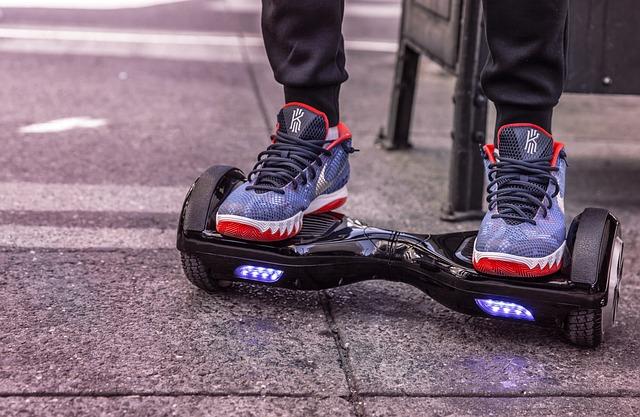
Contents
- How to Start Drawing a Hoverboard with Basic Shapes
- Adding Details to Bring Your Hoverboard Drawing to Life
- Choosing the Right Color Palette for Your Hoverboard Artwork
- Utilizing Shading and Highlights for Realistic Effect
- Incorporating Texture to Enhance the Look of Your Hoverboard
- Mastering Perspective to Create Depth in Your Drawing
- Understanding Perspective in Drawing
- Types of Perspective
- Creating Depth in Your Hoverboard Drawing
- Experimenting with Different Styles to Customize Your Hoverboard
- Tips for Achieving Symmetry in Your Hoverboard Art Piece
- Avoiding Common Mistakes When Drawing a Hoverboard
- Finding Inspiration and References for Your Hoverboard Drawing
- Practice, Patience, and Perseverance in Perfecting Your Hoverboard Art Skills
- Concluding Remarks
- Ride in Comfort: Find Your Perfect Hoverboard with Seat at Walmart
- Fly High: Price of Flying Hoverboard Revealed
- Hoverboard with Seat Attachment: Comfortable Riding Experience
- Are Hoverboards Banned in the US? Latest Regulations Explained
- How to Recalibrate Jetson Hoverboard: Quick Fix for Balance Issues
- Consumer's Choice: Best Rated Hoverboard Consumer Reports
How to Start Drawing a Hoverboard with Basic Shapes
To start drawing a hoverboard with basic shapes, you first need to understand the fundamental structure of a hoverboard. Begin by sketching a long rectangular shape for the main body of the hoverboard. This will serve as the foundation for the rest of your drawing. Next, add two smaller rectangles on either side of the main body to represent the platforms where the rider’s feet will rest.
After you have established the basic shapes, it’s time to add some details to bring your hoverboard drawing to life. Draw a curved line on the front and back of the main body to create a sleek, aerodynamic look. Then, add circular shapes at the ends of the platforms to represent the wheels of the hoverboard. Don’t forget to include small details like buttons or vents to add realism to your drawing.
Once you have completed the outline of your hoverboard using basic shapes, you can start adding more intricate details and shading to make it pop. Experiment with different line weights to create depth and dimension in your drawing. Consider adding highlights and shadows to give your hoverboard a three-dimensional appearance. Remember, practice makes perfect, so don’t be afraid to keep refining your drawing until you are satisfied with the result.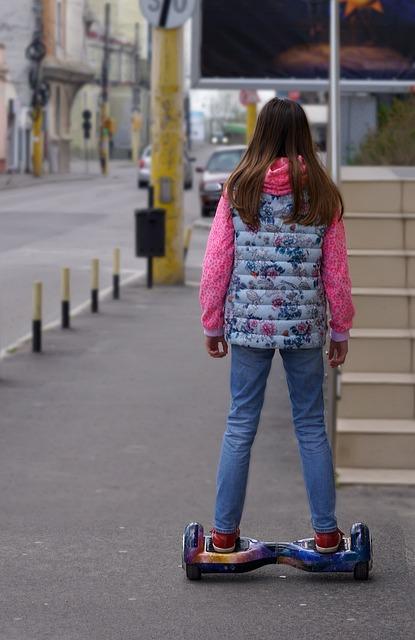
Adding Details to Bring Your Hoverboard Drawing to Life
To bring your hoverboard drawing to life, it’s important to focus on adding details that will make it look more realistic and dynamic. Start by paying attention to the different components of a hoverboard and how they work together to create a futuristic and functional design.
One way to add detail to your hoverboard drawing is by emphasizing the different materials and textures used in its construction. Think about how the metal, plastic, and rubber parts of the hoverboard would look and feel, and try to capture that in your drawing. Use shading and highlighting techniques to make these materials appear more realistic.
Another key aspect of bringing your hoverboard drawing to life is to consider how it would actually function. Think about how the hoverboard would move, what kind of technology it would use, and how it would interact with its environment. Incorporating these elements into your drawing can help make it more dynamic and engaging.
Finally, don’t forget to add small details that can really make your hoverboard drawing stand out. Consider adding decals, lights, buttons, and other embellishments that would give your hoverboard a unique and personalized touch. These little touches can go a long way in making your drawing more realistic and impressive.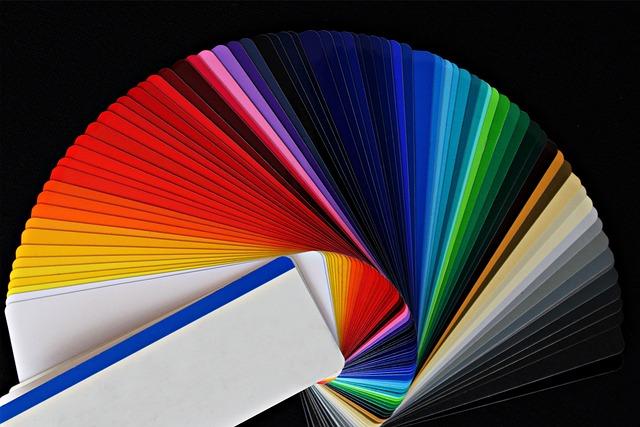
Choosing the Right Color Palette for Your Hoverboard Artwork
When it comes to creating unique and eye-catching artwork for your hoverboard, one of the most important decisions you’ll need to make is choosing the right color palette. The colors you choose can make a big impact on the overall look and feel of your design, so it’s essential to take some time to consider your options carefully.
Here are some tips to help you choose the perfect color palette for your hoverboard artwork:
- Consider the style and theme of your design. Are you going for a sleek and modern look, or something more fun and playful? The style of your artwork should influence the colors you choose.
- Think about the colors that will complement each other. Certain colors work well together, while others can clash. Consider using a color wheel to help you identify complementary colors that will make your design pop.
- Don’t be afraid to experiment with bold and vibrant colors. Hoverboards are all about standing out and making a statement, so don’t be afraid to get creative with your color choices.
- Consider the impact of lighting on your design. The way light interacts with different colors can change the look of your artwork, so make sure to take this into account when choosing your color palette.
By taking the time to carefully consider your color choices, you can create a stunning and one-of-a-kind piece of artwork for your hoverboard that is sure to turn heads wherever you go.
Utilizing Shading and Highlights for Realistic Effect
Utilizing shading and highlights is essential when drawing a hoverboard to create a realistic effect. By understanding how light interacts with different surfaces, you can bring your artwork to life. Here are some artistic drawing techniques to help you master shading and highlights:
-
Start with a rough sketch: Before diving into shading and highlights, it’s important to have a solid foundation. Sketch out the basic shape of the hoverboard, paying attention to proportions and perspective.
-
Identify light source: Determine where the light is coming from in your composition. This will help you decide where to place highlights and shadows on the hoverboard.
-
Use varying pressure: When shading, vary the pressure of your pencil to create different tones. Darker areas will have more pressure applied, while lighter areas will be more subtle.
- Blend with a blending stump: To smooth out harsh lines and create a more seamless transition between light and dark areas, use a blending stump to blend the shading on the hoverboard.
Remember, practice makes perfect when it comes to mastering shading and highlights. Experiment with different techniques and don’t be afraid to make mistakes – they’re all part of the learning process. With time and patience, you’ll be able to create stunning, realistic hoverboard drawings.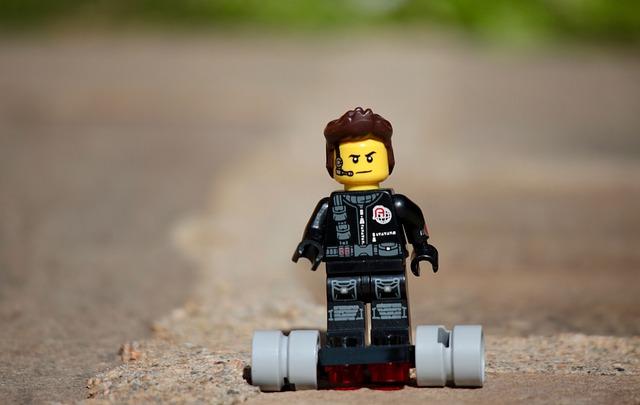
Incorporating Texture to Enhance the Look of Your Hoverboard
One of the key ways to enhance the look of your hoverboard is by incorporating texture into your design. Texture can add depth and visual interest to your artwork, making your hoverboard stand out from the rest. There are several artistic drawing techniques you can use to achieve this effect, whether you’re a beginner or a seasoned artist.
-
Cross-Hatching: Cross-hatching involves creating a series of intersecting lines to build up texture and shading. This technique can be applied to different parts of your hoverboard design to give it a more dynamic and detailed look.
-
Impasto: Impasto is a technique where thick layers of paint are applied to create a textured surface. You can use this technique to add a tactile element to your hoverboard drawing, making it appear more three-dimensional.
- Sgraffito: Sgraffito involves scratching or scraping away layers of paint to reveal underlying textures or colors. This technique can be used to create intricate patterns or designs on your hoverboard, adding another dimension to your artwork.
By incorporating these artistic drawing techniques, you can elevate the look of your hoverboard design and make it truly unique. Experiment with different textures and styles to find what works best for your vision. Let your creativity flow and have fun with the process!
Mastering Perspective to Create Depth in Your Drawing
Understanding Perspective in Drawing
When it comes to creating depth in your drawings, mastering perspective is key. Perspective is the technique used to create the illusion of three-dimensional space on a two-dimensional surface. By understanding how perspective works, you can make your drawings look more realistic and dynamic.
Types of Perspective
- Linear Perspective: This is the most commonly used type of perspective, where parallel lines converge at a single point on the horizon line.
- Atmospheric Perspective: This technique uses changes in color and value to create the illusion of depth.
Creating Depth in Your Hoverboard Drawing
When drawing a hoverboard, consider the following tips to create depth:
- Use overlapping: Overlapping parts of the hoverboard can create a sense of depth.
- Vary line weight: Thicker lines can make objects appear closer, while thinner lines can make them appear farther away.
- Shading: Adding shadows and highlights can also help create depth in your drawing.
| Tip | Description |
| Experiment with vanishing points. | Playing with different vanishing points can create interesting perspectives in your hoverboard drawing. |
| Practice drawing objects in different sizes. | By varying the sizes of objects on your hoverboard, you can create a sense of distance. |

Experimenting with Different Styles to Customize Your Hoverboard
One way to customize your hoverboard and make it truly unique is to experiment with different artistic drawing techniques. By adding your own personal touch, you can transform your hoverboard into a work of art that reflects your style and personality.
Here are some tips on how to draw a hoverboard using artistic techniques:
– **Sketch out your design:** Before you start drawing on your hoverboard, it’s a good idea to sketch out your design on paper first. This will help you plan out the layout and overall look of your customized hoverboard.
– **Use vibrant colors:** One way to make your hoverboard stand out is to use vibrant colors in your design. Consider using acrylic paint markers or spray paint to achieve bold and bright colors that will make your hoverboard pop.
– **Experiment with different styles:** Don’t be afraid to try out different artistic styles on your hoverboard. Whether you prefer abstract designs, geometric patterns, or realistic illustrations, the possibilities are endless when it comes to customizing your hoverboard.
– **Add personal touches:** To make your hoverboard even more unique, consider adding personal touches such as your initials, favorite quotes, or symbols that hold special meaning to you. These small details can make your hoverboard truly one-of-a-kind.
By experimenting with different artistic drawing techniques, you can create a customized hoverboard that is not only fun to ride but also a reflection of your creativity and individuality. So grab your markers, paints, and brushes, and let your imagination run wild as you transform your hoverboard into a personalized work of art.
Tips for Achieving Symmetry in Your Hoverboard Art Piece
To achieve symmetry in your hoverboard art piece, there are several tips and techniques that you can use. One important tip is to start by sketching out the basic outline of the hoverboard, making sure that both sides are symmetrical. You can use a ruler or measuring tools to ensure that your lines are straight and even.
Another tip is to use reference images or templates to help guide your drawing. By having a visual reference, you can ensure that your proportions are accurate and that both sides of the hoverboard match up perfectly. This can also help you with details such as the placement of logos, decals, and other design elements.
When adding details to your hoverboard art piece, such as patterns or designs, it’s important to mirror these on both sides to maintain symmetry. You can use stencils or tracing paper to transfer your designs from one side to the other, ensuring that everything lines up correctly.
Lastly, don’t be afraid to make adjustments as you go along. If you notice any inconsistencies or asymmetrical elements, you can always erase or redraw parts of your hoverboard to achieve the desired level of symmetry. By following these tips and techniques, you can create a stunning and perfectly symmetrical hoverboard art piece that showcases your artistic skills.
Avoiding Common Mistakes When Drawing a Hoverboard
When it comes to drawing a hoverboard, there are some common mistakes that many artists tend to make. By being mindful of these errors, you can create a more realistic and visually appealing representation of this futuristic mode of transportation. Here are some tips on how to avoid these common mistakes:
- Proportion: Make sure to pay attention to the proportions of the hoverboard. It is essential to accurately portray the size and shape of the board in relation to the wheels and other components. This will help to create a more realistic drawing.
- Detail: Don’t neglect the small details of the hoverboard, such as the design of the wheels, the placement of the footpads, and any other intricate features. Adding these details will enhance the overall look of your drawing.
- Perspective: Consider the perspective of your drawing to ensure that the hoverboard looks three-dimensional. Pay attention to the angles and foreshortening to create a more dynamic and realistic representation.
- Shading: Use shading to give your drawing depth and dimension. Consider the light source and how it interacts with the different parts of the hoverboard to create realistic highlights and shadows.
By keeping these tips in mind, you can improve your artistic drawing techniques and create a captivating depiction of a hoverboard. Practice makes perfect, so don’t be afraid to experiment and refine your skills to master the art of drawing this futuristic mode of transportation.
Finding Inspiration and References for Your Hoverboard Drawing
Whether you’re a beginner or a seasoned artist, drawing a hoverboard can be a fun and challenging task. To create a realistic and eye-catching hoverboard drawing, it’s important to find inspiration and references to guide you along the way. Here are some tips on how to find the right inspiration and references for your hoverboard drawing:
1. **Online Search:** One of the easiest ways to find inspiration for your hoverboard drawing is by conducting an online search. Look for images of hoverboards from different angles, perspectives, and designs. Pay attention to the details such as the shape, colors, and textures of the hoverboards in the images.
2. **Watch Videos:** Another great way to get inspiration for your hoverboard drawing is by watching videos of hoverboards in action. You can observe how the hoverboards move, how they are used, and how they look in real life. This can help you capture the dynamic and realistic aspects of a hoverboard in your drawing.
3. **Visit Hoverboard Stores:** If possible, visit stores that sell hoverboards to see them up close and personal. Take note of the different models, sizes, and features of the hoverboards. You may even get the chance to see a hoverboard in action, which can further inspire your drawing.
4. **Use Reference Books:** Look for books or magazines that feature hoverboards or futuristic transportation devices. These resources can provide you with detailed images and information on hoverboards that can serve as valuable references for your drawing.
By finding the right inspiration and references for your hoverboard drawing, you can create a unique and visually appealing artwork that captures the essence of this futuristic mode of transportation. Experiment with different techniques and styles to bring your hoverboard drawing to life.
Practice, Patience, and Perseverance in Perfecting Your Hoverboard Art Skills
Mastering the art of drawing a hoverboard requires a combination of practice, patience, and perseverance. Whether you’re a beginner or an experienced artist, honing your skills in creating realistic hoverboard illustrations can be a fulfilling challenge.
One of the key techniques in drawing a hoverboard is to pay attention to detail. Study the various components of a hoverboard, such as the wheels, deck, and motors, and practice sketching each part separately. This will help you understand the overall structure and design of a hoverboard and improve your ability to recreate it on paper or canvas.
Experiment with different artistic styles and mediums to bring your hoverboard drawings to life. Use a combination of pencil, pen, markers, or digital tools to add depth and texture to your illustrations. Don’t be afraid to make mistakes – each drawing is an opportunity to learn and improve your skills.
Remember, Rome wasn’t built in a day – perfecting your hoverboard drawing skills takes time and dedication. Stay inspired, keep practicing, and don’t be afraid to push your creative boundaries. With practice, patience, and perseverance, you’ll soon be able to create stunning hoverboard art that showcases your unique artistic vision.
Concluding Remarks
In conclusion, drawing a hoverboard can be a fun and rewarding artistic challenge. By following the step-by-step guide and incorporating key techniques such as perspective, shading, and detailing, you can create a realistic and dynamic representation of this futuristic mode of transportation. Remember to practice regularly and experiment with different styles to develop your own unique approach to drawing hoverboards. With patience and perseverance, you’ll be on your way to mastering this exciting subject matter in no time. So grab your pencils and sketch away! Happy drawing!