

Are you or a loved one in need of an electric wheelchair but unsure if Medicaid will cover the cost? Look no further! In this article, we will explore the healthcare options available through Medicaid and whether or not they will provide you with the mobility assistance you need. Stay informed and empowered as we dive into the world of accessible healthcare.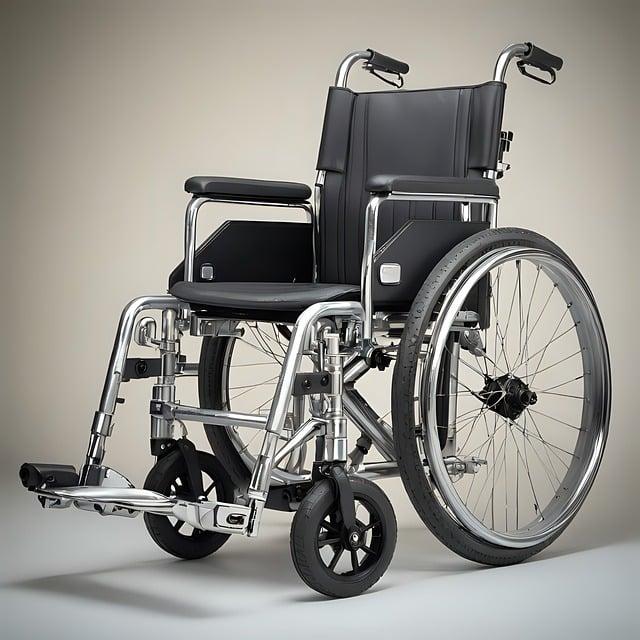
Contents
- – Qualifying for an Electric Wheelchair through Medicaid
- – Exploring Healthcare Options for Mobility Assistance
- – Understanding Medicaid Coverage for Durable Medical Equipment
- – How to Apply for an Electric Wheelchair with Medicaid
- – Comparing Medicaid Benefits for Wheelchair Users
- – Navigating the Medicaid Process for Mobility Aids
- – Tips for Maximizing Medicaid Coverage for Mobility Devices
- – Potential Alternatives if Medicaid Does Not Cover an Electric Wheelchair
- – Ensuring Proper Documentation for Medicaid Electric Wheelchair Approval
- – Consulting with Healthcare Providers for Medicaid Wheelchair Recommendations
- – Seeking Advocacy and Support for Medicaid Wheelchair Approval
- The Way Forward
- Electric Wheelchair with Lift: Discover Easy Access Solutions
- Have Power to Electric Wheelchair Carrier but It Doesn't Work? Troubleshooting Tips!
- Is It Possible to Sell a Used Electric Wheelchair: Selling Insights
- Electric Wheelchair with Oxygen Tank Holder: Convenience & Safety
- Cruising with a Power Wheelchair: Top Destinations Unveiled
- How Do You Transport a Power Wheelchair Safely? Expert Advice!
– Qualifying for an Electric Wheelchair through Medicaid
Medicaid offers coverage for electric wheelchairs, but there are specific criteria that must be met in order to qualify. Here are some key points to consider:
-
Medical Necessity: In order to qualify for an electric wheelchair through Medicaid, you must have a medical condition that impairs your mobility and necessitates the use of a powered mobility device.
-
Physician’s Prescription: A licensed healthcare provider, such as a doctor or physical therapist, must prescribe an electric wheelchair for you and provide documentation to support your need for one.
-
Coverage Limitations: While Medicaid typically covers the cost of electric wheelchairs, there may be limitations on the type of chair that is approved and the specific features it includes.
- Prior Authorization: In some cases, prior authorization may be required before Medicaid will cover the cost of an electric wheelchair. This means that you will need to get approval from Medicaid before receiving the chair.
Overall, Medicaid can be a valuable resource for individuals in need of an electric wheelchair, but it’s important to understand the eligibility requirements and coverage limitations. If you meet the necessary criteria, Medicaid can help you access the mobility device you need to improve your quality of life.
| Key Points |
|---|
| Medical Necessity |
| Physician’s Prescription |
| Coverage Limitations |
| Prior Authorization |

– Exploring Healthcare Options for Mobility Assistance
Medicaid does cover electric wheelchairs for individuals who meet the criteria for mobility assistance. The process of getting approved for an electric wheelchair through Medicaid may involve documentation from a healthcare provider outlining your medical need for the device. It is important to consult with your healthcare provider and Medicaid representative to determine your eligibility and the specific requirements for coverage.
When exploring healthcare options for mobility assistance, it is essential to consider all available resources and funding sources. In addition to Medicaid, there may be other programs or organizations that can help provide assistance or funding for mobility devices. Researching and reaching out to these resources can help you find the best solution for your individual needs.
It is crucial to understand the different types of mobility devices available, including manual wheelchairs, electric wheelchairs, and mobility scooters. Each type of device has its own benefits and considerations, so it is important to evaluate your specific needs and lifestyle to determine the most suitable option for you. Consulting with a healthcare professional or mobility specialist can help you make an informed decision.

– Understanding Medicaid Coverage for Durable Medical Equipment
Medicaid coverage for durable medical equipment (DME) can be a valuable resource for individuals in need of essential healthcare equipment. One common question that often arises is whether Medicaid will cover the cost of an electric wheelchair. The answer is yes! In many cases, Medicaid will provide coverage for electric wheelchairs as part of their DME benefits.
To qualify for Medicaid coverage of an electric wheelchair, it is important to meet certain eligibility criteria. This can vary depending on the state you reside in, but typically, individuals must demonstrate a medical need for the electric wheelchair and provide supporting documentation from a healthcare provider. Additionally, Medicaid will usually require prior authorization before covering the cost of the wheelchair.
It is crucial to understand the specific guidelines and requirements set forth by your state’s Medicaid program when seeking coverage for durable medical equipment. By working closely with your healthcare provider and understanding the process, you can navigate the Medicaid system effectively to obtain the necessary equipment that meets your healthcare needs. Don’t hesitate to reach out to your Medicaid caseworker for assistance and guidance throughout the process.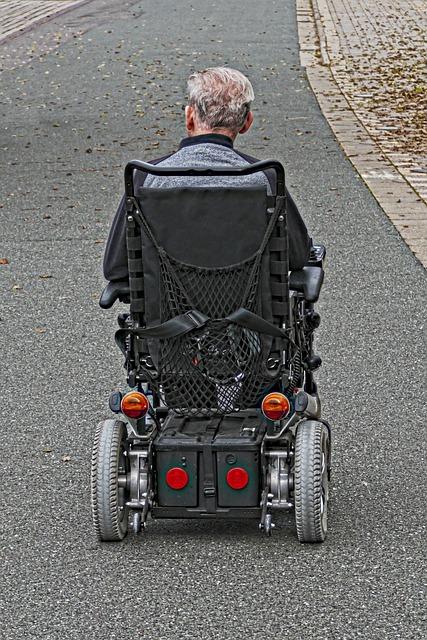
– How to Apply for an Electric Wheelchair with Medicaid
If you are in need of an electric wheelchair, you may be wondering if Medicaid will cover the cost. The good news is that in many cases, Medicaid will indeed provide coverage for an electric wheelchair. However, there are certain steps you will need to take in order to apply for one.
Here is a simple guide on how to apply for an electric wheelchair with Medicaid:
- Check if you are eligible for Medicaid coverage for an electric wheelchair.
- Consult your healthcare provider for a prescription for an electric wheelchair.
- Contact your local Medicaid office to inquire about their specific requirements and application process.
- Complete and submit the necessary paperwork, including the prescription from your healthcare provider.
It is important to note that the process may vary depending on your state, so it is crucial to follow the instructions provided by your local Medicaid office. Once your application is approved, you will be able to receive your electric wheelchair and improve your mobility and quality of life.
– Comparing Medicaid Benefits for Wheelchair Users
When it comes to Medicaid benefits for wheelchair users, one of the most common questions is whether or not Medicaid will cover the cost of an electric wheelchair. While Medicaid does provide coverage for wheelchairs, the specific type of wheelchair covered can vary depending on the state and individual circumstances.
Generally, Medicaid will cover the cost of a manual wheelchair for those who qualify. However, coverage for electric wheelchairs may be more limited. Some states may cover the cost of an electric wheelchair if it is deemed medically necessary and a healthcare provider prescribes it. In other cases, Medicaid may only cover a portion of the cost, requiring the individual to pay for the remainder out of pocket.
To determine if Medicaid will provide coverage for an electric wheelchair, it is important to contact your state’s Medicaid office and speak with a representative. They can provide information on the specific guidelines and requirements for wheelchair coverage in your state. Additionally, it may be helpful to consult with a healthcare provider to assess your individual needs and determine the best course of action.
Navigating the Medicaid process for mobility aids can be overwhelming, but understanding your options can help make the process smoother. One common question many individuals have is whether Medicaid will cover the cost of an electric wheelchair. The good news is that in many cases, Medicaid will indeed provide coverage for an electric wheelchair if deemed medically necessary.
Medicaid typically follows certain guidelines when determining eligibility for an electric wheelchair. **Some key points to keep in mind include:**
– **Medical Necessity:** To qualify for an electric wheelchair through Medicaid, it must be deemed medically necessary by a healthcare provider. This means that the wheelchair is necessary to ensure the individual can safely move around and perform daily tasks.
– **Prior Authorization:** Medicaid may require prior authorization for an electric wheelchair. This means that your healthcare provider will need to submit documentation showing why the electric wheelchair is necessary for your medical condition.
– **Vendor Selection:** Medicaid may have a list of approved vendors from whom you can purchase your electric wheelchair. Be sure to check with your Medicaid provider to see if there are any specific requirements for vendor selection.
Navigating the Medicaid process for mobility aids, such as electric wheelchairs, can be complex, but with the right information and guidance, you can successfully navigate the process and receive the mobility aid you need. If you have any questions or concerns about Medicaid coverage for an electric wheelchair, be sure to reach out to your Medicaid provider for more information and assistance.
– Tips for Maximizing Medicaid Coverage for Mobility Devices
To maximize Medicaid coverage for mobility devices such as electric wheelchairs, it’s important to understand the eligibility criteria and steps to ensure approval. Here are some tips to help you navigate the process smoothly:
– Consult with your healthcare provider: Before applying for Medicaid coverage for a mobility device, consult with your healthcare provider to obtain a prescription and necessary documentation to support your need.
– Research Medicaid requirements: Each state has its own Medicaid program with specific guidelines for coverage of mobility devices. Research the requirements in your state to ensure you provide all necessary documentation for approval.
– Explore different options: Medicaid may cover different types of mobility devices such as electric wheelchairs, scooters, and walkers. Explore all available options to find the best fit for your needs.
– Keep track of communication: Keep a record of all communication with Medicaid representatives and healthcare providers regarding your mobility device coverage. This can help ensure a smoother process and expedite approval.
– Potential Alternatives if Medicaid Does Not Cover an Electric Wheelchair
If Medicaid does not cover an electric wheelchair, there are several potential alternatives that may be available to you. It’s important to explore all of your options to ensure you can get the mobility aid you need. Here are some possibilities to consider:
– **Medicare**: Medicare Part B may cover electric wheelchairs if they are deemed medically necessary. You can check with your healthcare provider to see if you qualify for coverage through Medicare.
– **Private Insurance**: Some private insurance companies may cover the cost of an electric wheelchair. Contact your insurance provider to inquire about your policy and any requirements for coverage.
– **Charitable Organizations**: There are charitable organizations that may provide financial assistance or donations of equipment for individuals in need. Research organizations in your area that may be able to help.
– **Out-of-Pocket Purchase**: If all other options are exhausted, you may need to consider purchasing an electric wheelchair out of pocket. Look for affordable options and consider financing or payment plans if necessary.
Exploring these alternatives can help you find a solution that works for your specific situation. Remember to research each option thoroughly and consult with healthcare professionals for guidance.
– Ensuring Proper Documentation for Medicaid Electric Wheelchair Approval
When it comes to getting approval for an electric wheelchair through Medicaid, ensuring proper documentation is crucial. Without the appropriate paperwork, your request may be denied, leaving you without the vital mobility aid you need. Here are some key steps to take to increase your chances of approval:
- Medical Necessity: Be sure to have a doctor’s prescription stating the medical necessity for the electric wheelchair. This is essential for Medicaid to consider your request.
- Letter of Justification: A letter from your healthcare provider explaining why a traditional wheelchair is not suitable for your needs and why an electric wheelchair is necessary can strengthen your case.
- Thorough Documentation: Provide all relevant medical records, test results, and any other supporting documents that show the extent of your mobility limitations and the impact on your daily life.
By following these steps and ensuring you have all the necessary documentation in order, you can increase your chances of getting approval for an electric wheelchair through Medicaid. Remember, it’s important to advocate for yourself and provide all the information needed to make a strong case for why you need this mobility aid.

– Consulting with Healthcare Providers for Medicaid Wheelchair Recommendations
If you are considering obtaining an electric wheelchair through Medicaid, consulting with healthcare providers is crucial in making the right recommendations. Healthcare providers such as doctors, physical therapists, and occupational therapists can assess your needs and provide guidance on the type of wheelchair that would best suit your lifestyle and mobility requirements.
During your consultation, healthcare providers may consider factors such as your medical condition, mobility limitations, and living environment when recommending a wheelchair. They will also review Medicaid guidelines to ensure that the recommended wheelchair meets the necessary criteria for coverage.
By working closely with healthcare providers, you can navigate the Medicaid process more effectively and increase your chances of getting approval for an electric wheelchair. Remember to communicate openly about your needs and preferences to ensure that the recommended wheelchair aligns with your unique requirements.
Overall, consulting with healthcare providers for Medicaid wheelchair recommendations is a proactive step towards improving your mobility and quality of life. By seeking professional guidance, you can access the resources and support needed to enhance your independence and well-being.

– Seeking Advocacy and Support for Medicaid Wheelchair Approval
When it comes to getting approval for an electric wheelchair through Medicaid, the process can be quite complex and overwhelming. However, with the right advocacy and support, you may be able to navigate through the system more effectively.
Medicaid does cover electric wheelchairs for individuals who meet certain criteria, such as having a demonstrated medical need for the device and meeting specific coverage guidelines. It’s essential to gather all necessary documentation and medical records to support your case for wheelchair approval.
Seeking assistance from healthcare professionals, social workers, and advocacy organizations can significantly increase your chances of getting Medicaid approval for an electric wheelchair. These individuals can help you submit the required paperwork, navigate the system, and appeal any denials if necessary.
Remember, you have the right to access the necessary medical equipment to enhance your quality of life. By staying informed, proactive, and seeking advocacy and support, you can increase your chances of getting Medicaid approval for an electric wheelchair.
The Way Forward
In conclusion, Medicaid may cover the cost of an electric wheelchair if it is deemed medically necessary. It is important to consult with healthcare professionals and Medicaid representatives to determine eligibility and navigate the application process. Remember that healthcare options are available to ensure access to necessary medical equipment for those who need it. Stay informed, advocate for your health needs, and remember that assistance is available to help you live a full and independent life.