

Electric wheelchairs can provide freedom and independence to individuals with mobility challenges. However, when it comes time to replace or upgrade your wheelchair, knowing what to do with the old one can be a bit confusing. In this article, we will provide you with some helpful recycling tips on what parts of your electric wheelchair can be scrapped for reuse. Let’s dive in and learn how you can responsibly dispose of your old electric wheelchair!
Contents
- What Materials Can Be Recycled from Electric Wheelchairs
- How to Properly Disassemble an Electric Wheelchair for Recycling
- Benefits of Recycling Electric Wheelchair Parts
- Common Mistakes to Avoid When Recycling Electric Wheelchairs
- Best Practices for Removing Batteries from Electric Wheelchairs
- The Environmental Impact of Recycling Electric Wheelchair Components
- How to Safely Dispose of Hazardous Materials in Electric Wheelchairs
- Innovative Ways to Upcycle Electric Wheelchair Parts
- Maximizing the Value of Recycled Electric Wheelchair Materials
- Choosing the Right Electric Wheelchair Materials to Recycle
- Key Factors to Consider Before Recycling an Electric Wheelchair
- The Future of Sustainable Mobility: Recycling Electric Wheelchairs
- In Summary
- Car Ramp for Electric Wheelchair: Easy Loading and Unloading
- K Klano Electric Wheelchair Reviews: Unbiased Ratings and Reviews
- Where to Buy Electric Wheelchair in Malaysia: Purchase Options
- Who Invented the First Electric Wheelchair Was the Man Handicap? Historical Context!
- Does Virginia Medicaid Cover a Power Wheelchair? State-Specific Information!
- Will Uber Pick Up Riders with an Electric Wheelchair? Ride-Hailing Options!
What Materials Can Be Recycled from Electric Wheelchairs
When it comes to recycling electric wheelchairs, there are several materials that can be salvaged and reused. By properly dismantling the wheelchair, you can extract valuable components that can be recycled for a variety of purposes. Here are some of the key materials that can be recycled from electric wheelchairs:
- Aluminum: Many electric wheelchairs have frames and parts made of aluminum, which is a valuable material that can be easily recycled.
- Steel: Steel components such as the motor casing and structural parts can be recycled and repurposed for other applications.
- Lithium-ion Batteries: The batteries used in electric wheelchairs contain valuable materials like lithium, cobalt, and nickel, which can be recycled to make new batteries.
- Electronic Components: Various electronic components like circuit boards, wires, and sensors can be salvaged and recycled for their precious metals and reusable materials.
By responsibly recycling these materials from electric wheelchairs, you can help reduce waste, conserve resources, and minimize environmental impact. Make sure to consult with a professional recycling center or scrap yard to ensure that the materials are properly recycled and disposed of in an eco-friendly manner.
How to Properly Disassemble an Electric Wheelchair for Recycling
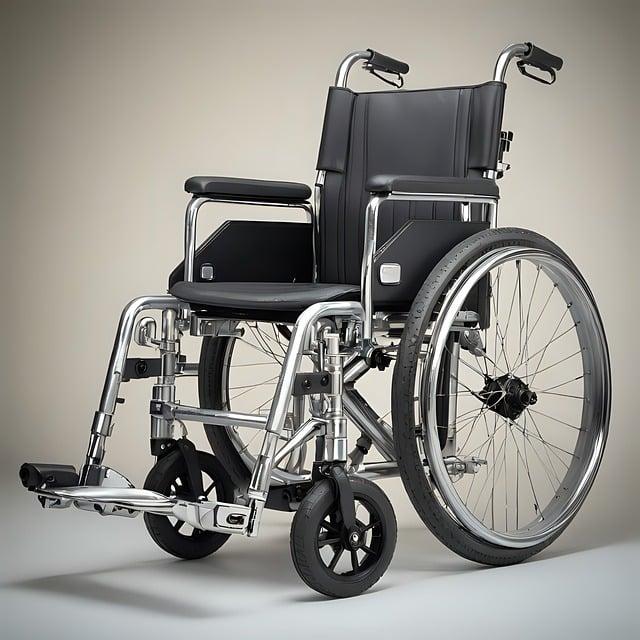
When it comes to recycling an electric wheelchair, it’s crucial to properly disassemble the components to ensure that they can be recycled efficiently. By following these steps, you can easily scrap the valuable materials from the wheelchair:
- Battery: The first component to remove is the battery. Lithium-ion batteries are commonly used in electric wheelchairs and should be recycled separately due to their hazardous nature. Check with local recycling facilities for proper disposal methods.
- Motor: Next, you’ll want to extract the motor from the wheelchair. Motors contain valuable components such as copper wiring and steel casing, which can be recycled and repurposed.
- Frame: The frame of the wheelchair is typically made of aluminum or steel. Separate these materials and recycle them accordingly. Aluminum can be melted down and reused, while steel can be recycled into new products.
- Control Panel: Lastly, remove the control panel and circuit boards. These electronic components contain precious metals like gold and silver, which can be extracted and recycled.
Remember, before you begin disassembling the electric wheelchair, it’s important to wear protective gear and follow safety precautions. Additionally, be sure to research local recycling guidelines and facilities to ensure that each component is recycled responsibly.

Benefits of Recycling Electric Wheelchair Parts
When it comes to recycling electric wheelchair parts, there are several benefits that come with this eco-friendly practice. By recycling parts of your electric wheelchair, you not only help the environment by reducing waste, but you also contribute to the conservation of valuable resources. Here are some key :
- Environmental Impact: Recycling electric wheelchair parts helps reduce the amount of electronic waste that ends up in landfills, which in turn minimizes harm to the environment.
- Resource Conservation: By recycling parts such as batteries and motors, you can help conserve valuable resources like metals and plastics that are used in the manufacturing of electric wheelchairs.
- Cost Savings: Recycling parts from your electric wheelchair can also save you money, as you may be able to find refurbished or recycled parts at a lower cost than purchasing brand new ones.
| Recyclable Parts | Benefits |
|---|---|
| Batteries | Reduce environmental impact and conserve resources. |
| Motors | Save money and support sustainable practices. |
Overall, recycling electric wheelchair parts is a simple yet impactful way to make a positive difference for both the planet and your wallet. Next time you’re looking to upgrade or replace a part in your electric wheelchair, consider recycling options to help support a greener, more sustainable future.
Common Mistakes to Avoid When Recycling Electric Wheelchairs
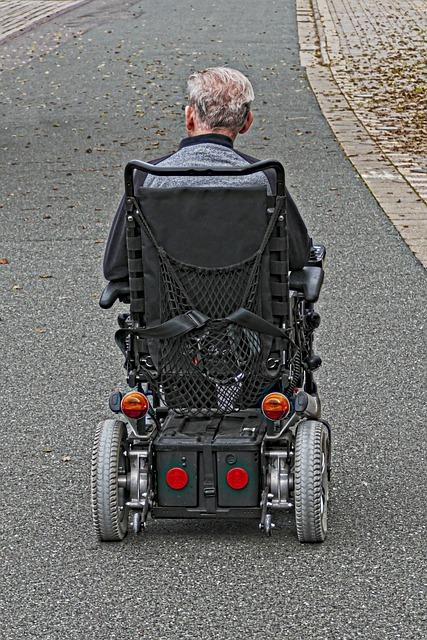
When it comes to recycling electric wheelchairs, there are some common mistakes that you’ll want to avoid. By being aware of these pitfalls, you can ensure that you are maximizing the potential for recycling your electric wheelchair. Here are some key things to keep in mind:
- Not checking with local recycling facilities: One of the biggest mistakes people make is assuming that all recycling centers will accept electric wheelchairs. Before getting started, make sure to check with your local facilities to see if they have the capability to recycle these items.
- Disposing of batteries improperly: Electric wheelchairs contain batteries that need to be properly disposed of. Be sure to remove the batteries before recycling the wheelchair and take them to a designated battery recycling center.
- Not separating recyclable parts: Electric wheelchairs are made up of various materials that can be recycled, such as metal and plastic components. Before sending it off to be recycled, make sure to separate these parts to make the recycling process more efficient.
Best Practices for Removing Batteries from Electric Wheelchairs
One of the most important components of an electric wheelchair is its battery, which provides the power necessary for the chair to operate. When it comes time to replace or recycle the battery, it’s crucial to follow the best practices to ensure safety and environmental responsibility.
Here are some tips for safely removing batteries from electric wheelchairs:
– **Always consult the manufacturer’s guidelines:** Before attempting to remove the battery, be sure to check the wheelchair’s manual for specific instructions on how to safely remove the battery.
– **Disconnect the power source:** Before removing the battery, make sure to turn off the wheelchair and disconnect it from any power source to prevent any electrical shock hazards.
– **Use the proper tools:** Be sure to use the appropriate tools, such as a screwdriver or wrench, to safely remove the battery from the wheelchair.
– **Recycle responsibly:** Once the battery has been removed, be sure to recycle it properly to prevent harm to the environment. Many companies offer battery recycling programs where you can drop off your old battery for safe disposal.
The Environmental Impact of Recycling Electric Wheelchair Components
When it comes to recycling electric wheelchair components, it is crucial to know what parts can be scrapped and properly recycled. By understanding the environmental impact of recycling these components, we can make more informed decisions on how to dispose of them responsibly.
One key component to scrap from electric wheelchairs is the battery. These batteries contain toxic chemicals that can be harmful to the environment if not disposed of properly. By recycling the batteries, we can prevent these chemicals from leaching into the soil and water, reducing the overall environmental impact.
Additionally, metal parts such as aluminum frames, steel bolts, and copper wiring can also be recycled. These materials can be melted down and repurposed, reducing the need for new raw materials to be mined. By recycling these metals, we can conserve natural resources and reduce energy consumption in the manufacturing process.
Overall, by being mindful of what components can be recycled from electric wheelchairs, we can do our part in minimizing the environmental impact of these devices. Through proper recycling practices, we can help protect our planet for future generations to come.
How to Safely Dispose of Hazardous Materials in Electric Wheelchairs
When it comes to safely disposing of hazardous materials in electric wheelchairs, it’s important to be mindful of the environment and follow proper recycling guidelines. Here are some tips on what components you can scrap from your electric wheelchair:
- Batteries: Lithium-ion batteries are commonly used in electric wheelchairs and need to be recycled properly to avoid environmental harm. Many hardware stores and recycling centers accept old batteries.
- Electric Motors: Electric motors contain valuable materials like copper, aluminum, and steel that can be recycled. Look for local scrap yards or recycling facilities that accept electric motors.
- Electronic Components: Circuit boards, wiring, and other electronic components in electric wheelchairs should be taken to e-waste recycling centers to ensure proper disposal.
By responsibly recycling these hazardous materials from your electric wheelchair, you can help protect the environment and prevent harmful substances from ending up in landfills. Remember to always check with your local recycling facilities for specific guidelines on disposing of hazardous materials.
Innovative Ways to Upcycle Electric Wheelchair Parts
To make the most out of electric wheelchair parts, it’s essential to know what can be repurposed and recycled. One useful component to salvage is the motor. Electric wheelchair motors are built to be durable and long-lasting, making them perfect for DIY projects like homemade electric bicycles or go-karts. By extracting the motor from the wheelchair, you can give it a new life in a fun and innovative way.
Another valuable part to salvage is the battery. Electric wheelchair batteries are typically rechargeable and high capacity, making them ideal for powering small electronics or creating a portable power bank. With a bit of creativity, you can easily repurpose the battery to keep your gadgets charged on the go.
Furthermore, don’t overlook the wheelchair frame itself. The sturdy metal frame can be transformed into unique furniture pieces, such as a stylish industrial-inspired coffee table or a trendy shelving unit. With a fresh coat of paint and some creative modifications, the wheelchair frame can add a touch of industrial chic to your home decor.
In conclusion, electric wheelchair parts have plenty of potential for upcycling and repurposing. By salvaging components like the motor, battery, and frame, you can create one-of-a-kind DIY projects while also reducing waste and promoting sustainability. So, next time you have an old electric wheelchair to recycle, remember to think outside the box and get creative with how you can give its parts a new purpose.
Maximizing the Value of Recycled Electric Wheelchair Materials
Choosing the Right Electric Wheelchair Materials to Recycle
When it comes to , it’s essential to know what to scrap from these devices. Here are some recycling tips to help you get the most out of your electric wheelchair materials:
- Batteries: Lithium-ion batteries are valuable components of electric wheelchairs. Make sure to remove and recycle them properly to extract their full value.
- Aluminum Frames: Aluminum is a highly recyclable material that can fetch a good price. Separate the aluminum frames from the rest of the wheelchair for recycling.
- Electric Motors: Electric motors in wheelchairs contain copper wiring that is valuable for recycling. Remove these motors and extract the copper for maximum value.
By focusing on these key components when recycling electric wheelchairs, you can maximize the value of the materials and contribute to a more sustainable future.
Key Factors to Consider Before Recycling an Electric Wheelchair
When considering recycling an electric wheelchair, there are several key factors to take into account to ensure the process is done effectively and responsibly. Here are some tips on what to scrap from an electric wheelchair before recycling:
1. Battery: The battery of an electric wheelchair is one of the most important components to recycle. Make sure to remove the battery and recycle it separately at a designated battery recycling facility.
2. Motor: The motor of the electric wheelchair is another valuable component that can be recycled. Remove the motor from the wheelchair and recycle it at a scrap metal recycling facility.
3. Electronics: Take out any electronic components such as circuit boards, wires, and sensors from the wheelchair. These items can be recycled at an electronics recycling facility.
4. Frame and Wheels: The frame and wheels of the wheelchair can also be recycled. Separate the metal parts from any plastic components and take them to a metal recycling facility.
Consider these key factors before recycling an electric wheelchair to ensure that the process is done in an environmentally-friendly and sustainable manner. By recycling the various components of the wheelchair properly, you can help reduce waste and contribute to a greener planet.
The Future of Sustainable Mobility: Recycling Electric Wheelchairs
When it comes to recycling electric wheelchairs, it’s important to know what parts can be salvaged for reuse or recycling. By properly disassembling and recycling electric wheelchairs, we can help reduce waste and conserve valuable resources. Here are some tips on what to scrap from electric wheelchairs:
- Batteries: Lithium-ion batteries used in electric wheelchairs can be recycled to recover valuable materials like cobalt, nickel, and lithium. Be sure to take them to a designated battery recycling facility.
- Motor: The electric motor in wheelchairs contains valuable metals like copper and aluminum, which can be melted down and reused. Contact a scrap metal recycling center for proper disposal.
- Frame: The frame of the wheelchair is usually made of steel or aluminum, both of which are valuable materials for recycling. Separate the frame from other parts for recycling.
By following these recycling tips, we can help ensure that electric wheelchairs are disposed of responsibly and sustainably. Remember to check with local recycling facilities for specific guidelines on recycling electric wheelchairs in your area.
In Summary
In conclusion, properly recycling your electric wheelchair can have a positive impact on both the environment and your community. By following these tips on what to scrap from your electric wheelchair, you can ensure that valuable materials are salvaged and reused for future products. Remember to remove all batteries, electronics, and hazardous materials before sending your wheelchair for recycling. Let’s all do our part in reducing waste and conserving resources. Together, we can make a difference one wheelchair at a time. Thank you for reading and happy recycling!