

Have you ever wondered when the first electric wheelchair was created and how it revolutionized mobility for individuals with disabilities? Join us as we delve into the origin history of the electric wheelchair, its inception, and the impact it has had on the lives of millions. Let’s explore the remarkable journey of this groundbreaking invention that continues to shape the way we think about accessibility and independence.
Contents
- The Genesis of Electric Wheelchairs
- Key Innovations in Early Electric Wheelchair Models
- Pioneers in Electric Wheelchair Development
- Important Milestones in Electric Wheelchair History
- The Impact of Electric Wheelchairs on Mobility
- Advancements in Electric Wheelchair Technology
- Challenges Faced by Early Electric Wheelchair Users
- Innovative Features in Modern Electric Wheelchairs
- Evolution of Electric Wheelchair Design
- Factors to Consider When Choosing an Electric Wheelchair
- Recommendations for Ensuring Optimal Electric Wheelchair Performance
- Wrapping Up
- Conquer Indoor Spaces with the Best Electric Wheelchair
- How to Turn a Regular Wheelchair into Electric: Conversion Guide
- Criteria for Using the Bus If in Power Wheelchair: Essential Tips
- eBay Power Scooter for Wheelchair Adapter: Upgrade Your Ride
- Recline in Comfort: Tilt-in-Space Power Wheelchair Options
- Take Flight: Flying with a Power Wheelchair Made Easy
The Genesis of Electric Wheelchairs
Electric wheelchairs have come a long way since their inception, offering increased mobility and independence to individuals with disabilities. dates back to the mid-20th century, with the first known prototype being developed in the 1950s.
The idea behind electric wheelchairs was to provide a solution for individuals who had limited mobility and were unable to propel a manual wheelchair on their own. By introducing electric motors powered by rechargeable batteries, users could navigate their surroundings with ease and convenience.
One of the pioneers in the development of electric wheelchairs was George Klein, a Canadian inventor who created the "Motorized Wheelchair" in 1952. This early model featured a basic design with a joystick control mechanism, paving the way for future advancements in the field.
Over the years, electric wheelchairs have evolved to include a wide range of features such as adjustable seating, tilt-in-space capabilities, and advanced control systems. Today, these devices continue to improve the quality of life for individuals with mobility impairments, offering them greater independence and freedom of movement.
Key Innovations in Early Electric Wheelchair Models
One key innovation in early electric wheelchair models was the introduction of battery-powered motors. These motors allowed users to move around with greater ease and independence compared to traditional manual wheelchairs. The first electric wheelchair was invented in the 1930s by George Klein, a Canadian inventor, and paved the way for future advancements in mobility devices.
Another important innovation was the development of adjustable seating options. Early electric wheelchairs featured customizable seating positions, footrests, and armrests to improve comfort and accommodate users with different mobility needs. This innovation was a significant step forward in making electric wheelchairs more user-friendly and accessible for a wider range of individuals.
Additionally, early electric wheelchair models also incorporated joystick controls for easier maneuverability. This allowed users to navigate their surroundings with precision and agility, giving them greater freedom to explore their environment independently. The integration of joystick controls marked a turning point in the evolution of electric wheelchairs and set the stage for future innovations in mobility technology.
Overall, these revolutionized the way individuals with mobility impairments could navigate their world. By combining battery-powered motors, adjustable seating options, and joystick controls, early electric wheelchairs laid the foundation for the advanced mobility devices available today.
Pioneers in Electric Wheelchair Development
Electric wheelchairs have come a long way since their inception, with advancements in technology and design making them more accessible and functional for users with mobility limitations. The have played a crucial role in shaping the modern landscape of mobility aids.
One of the earliest recorded instances of an electric wheelchair was in the 1930s when George Klein, a Canadian inventor, created a motorized wheelchair for injured veterans of World War II. This revolutionary invention laid the foundation for future developments in the field of electric mobility aids.
Over the years, companies like Permobil, Pride Mobility, and Invacare have continued to innovate and improve upon the original electric wheelchair design. Today, electric wheelchairs come equipped with a variety of features such as tilt-in-space seating, power elevating leg rests, and advanced drive controls, allowing users to navigate their environment with ease and comfort.
As we reflect on the history of electric wheelchairs, it is important to recognize the contributions of these pioneers who have helped improve the lives of millions of individuals with disabilities. Their dedication to innovation and accessibility continues to drive progress in the field of mobility aids, shaping a more inclusive world for all.
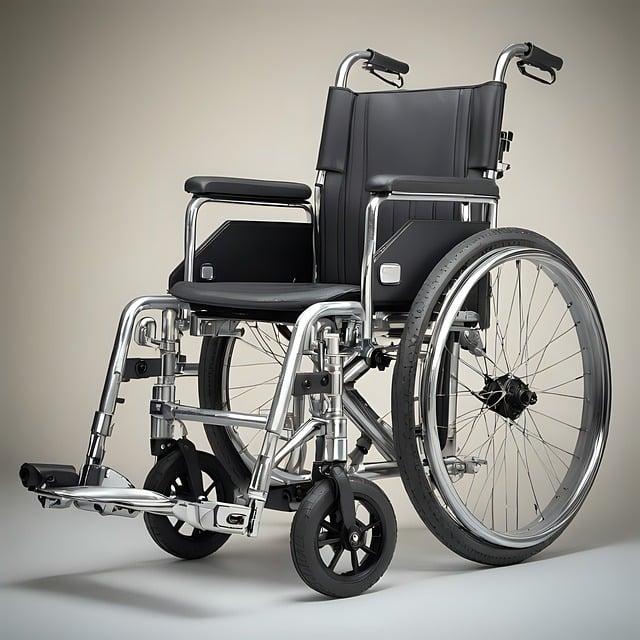
Important Milestones in Electric Wheelchair History
Electric wheelchairs have come a long way since their inception, with numerous advancements and innovations shaping their design and functionality. Let’s take a look at some of the key milestones in the history of electric wheelchairs:
- The First Electric Wheelchair: The first electric wheelchair was developed in the 1950s by George Klein for World War II veterans. This revolutionary invention paved the way for greater mobility and independence for individuals with mobility impairments.
- Development of Power Wheelchairs: Throughout the years, advancements in technology led to the development of power wheelchairs with enhanced features such as joystick controls, reclining seats, and customizable options for users.
- Introduction of Lightweight Models: In the 1990s, lightweight electric wheelchairs became popular, offering users easier portability and maneuverability. These models were especially beneficial for individuals with active lifestyles.

The Impact of Electric Wheelchairs on Mobility
Electric wheelchairs have revolutionized the way individuals with mobility issues can move around independently. These motorized devices have had a significant impact on the lives of many individuals, providing them with increased freedom and autonomy. Let’s delve into the history of electric wheelchairs and explore how they have transformed mobility.
Believe it or not, the first electric wheelchair was invented over a century ago in 1916 by George Klein, a Canadian inventor. Klein’s electric wheelchair was initially designed for injured veterans of World War I to help them regain their mobility. This groundbreaking invention paved the way for the development of modern electric wheelchairs that we see today.
Over the years, electric wheelchairs have undergone significant advancements in terms of design, functionality, and accessibility. Today, electric wheelchairs come in various styles and models, catering to different needs and preferences of users. Whether it’s a compact and portable electric wheelchair for travel or a heavy-duty model for outdoor use, there is a wide range of options available in the market.
With cutting-edge technology and innovative features, electric wheelchairs continue to play a crucial role in enhancing the mobility and independence of individuals with disabilities. These motorized devices have truly changed the game when it comes to personal mobility, offering a convenient and efficient way for individuals to navigate their surroundings with ease.
Advancements in Electric Wheelchair Technology
Electric wheelchairs have come a long way since their inception, with advancements in technology improving the mobility and independence of users. The first electric wheelchair was created in 1953 by George Klein, a Canadian inventor. This revolutionary creation paved the way for future developments in accessibility and convenience for individuals with mobility challenges.
With the introduction of electric wheelchairs, users experienced a newfound sense of freedom and autonomy. The ability to navigate terrain with ease and minimal physical effort was a game-changer for many wheelchair users. Over the years, improvements in battery technology have resulted in longer-lasting and more powerful electric wheelchairs, making them a staple in the assistive technology industry.
Modern electric wheelchairs now come equipped with a range of features to cater to the diverse needs of users. From customizable seating options to advanced joystick controls, these devices are designed to enhance the overall user experience. With ongoing research and development, the future of electric wheelchair technology holds even more promise for increased accessibility and inclusivity for individuals with disabilities.
Challenges Faced by Early Electric Wheelchair Users
Electric wheelchairs have come a long way since their inception, providing mobility and independence to millions of users worldwide. Early electric wheelchair users faced a unique set of challenges that paved the way for advancements in design and technology. Some of the key challenges faced by these pioneers include:
– Limited battery life: The earliest electric wheelchairs were powered by heavy and bulky batteries that had limited capacity. Users often had to plan their outings around the battery life of their wheelchair, making long trips difficult.
– Lack of accessibility: In the early days, ramps and accessible facilities were not as common as they are today. This made it challenging for electric wheelchair users to navigate public spaces and buildings.
– Heavy and cumbersome design: Early electric wheelchairs were often bulky and difficult to transport, limiting the freedom of users to travel independently.
– Limited customization options: Customizing electric wheelchairs to meet individual needs and preferences was not as easy as it is today. Users had to make do with limited choices in terms of seating, controls, and other features.
Despite these challenges, early electric wheelchair users paved the way for the modern designs and functionalities that we see today. The evolution of electric wheelchairs has been driven by the needs and experiences of users, leading to innovations that have greatly improved the quality of life for individuals with mobility impairments.
Innovative Features in Modern Electric Wheelchairs
Electric wheelchairs have come a long way since their inception, with modern models boasting a range of innovative features aimed at improving the mobility and comfort of users. One of the key advancements in modern electric wheelchairs is the incorporation of advanced technology to enhance their functionality. This includes features such as:
– **Bluetooth Connectivity:** Many electric wheelchairs now come equipped with Bluetooth connectivity, allowing users to control their chair using a smartphone or tablet. This not only makes it easier for individuals to operate their wheelchair but also provides more customization options.
– **Lithium-Ion Batteries:** Unlike older models that relied on heavy lead-acid batteries, modern electric wheelchairs often utilize lightweight and long-lasting lithium-ion batteries. This not only reduces the overall weight of the wheelchair but also extends the range of travel on a single charge.
– **Customizable Seating Options:** Another important feature in modern electric wheelchairs is the ability to customize the seating for maximum comfort and support. This includes adjustable seat widths, depths, and heights, as well as various cushioning options to accommodate different needs.
– **Obstacle Detection Systems:** Some electric wheelchairs now come equipped with obstacle detection systems that use sensors to detect obstacles in the path of the chair. This advanced technology can help prevent accidents and provide users with a greater sense of independence and safety.
In conclusion, modern electric wheelchairs are continually evolving to meet the needs of users, with a focus on incorporating innovative features that improve functionality and overall user experience. With advancements in technology and design, electric wheelchairs have become an essential mobility aid for individuals with limited mobility, allowing them to navigate the world with greater ease and independence.
Evolution of Electric Wheelchair Design
Electric wheelchairs have come a long way since their inception, with major advancements in technology and design paving the way for increased mobility and independence for individuals with disabilities. The first electric wheelchair was invented in the 1950s by George Klein, a Canadian inventor who was inspired by his friend’s need for a more efficient way to move around. Klein’s electric wheelchair featured a joystick control system, paving the way for future innovations in mobility devices.
Over the years, electric wheelchair design has evolved to incorporate more lightweight materials, improved battery life, and advanced control systems. Modern electric wheelchairs now come in various sizes and styles to suit different needs and preferences. Some even have features such as power tilt-in-space, power recline, and programmable memory settings for increased comfort and convenience.
The has not only improved the quality of life for individuals with mobility impairments but has also opened up opportunities for social inclusion and accessibility. With ongoing research and development in the field, we can expect even more innovative and user-friendly features to be incorporated into future electric wheelchair designs. The journey from George Klein’s original invention to the advanced models available today is a testament to the power of innovation and the impact it can have on people’s lives.
Factors to Consider When Choosing an Electric Wheelchair
include:
– **Comfort:** Ensure the wheelchair provides adequate support and cushioning for long periods of use.
– **Customization:** Look for options that allow for adjustments in seat width, height, and positioning to suit individual needs.
– **Battery Life:** Consider the range of the wheelchair and how long the battery will last on a single charge.
– **Maneuverability:** Check the turning radius and overall ease of navigation in different environments.
In addition to these factors, it’s important to also think about any specific requirements you may have, such as specialized controls for limited mobility in hands or feet. Researching and test-driving different models can help you find the perfect electric wheelchair that meets your needs and provides the mobility and independence you desire.
Recommendations for Ensuring Optimal Electric Wheelchair Performance
**Regular Maintenance:**
To ensure optimal electric wheelchair performance, regular maintenance is essential. This includes checking the battery, tires, and brakes on a regular basis. Keeping these components in good working condition will help prevent breakdowns and extend the life of the wheelchair.
**Proper Charging:**
It is important to follow the manufacturer’s guidelines for charging your electric wheelchair. Overcharging or undercharging the battery can lead to decreased performance and a shorter battery life. Make sure to charge the wheelchair according to the recommended schedule to maintain optimal performance.
**Avoiding Overloading:**
Avoid overloading the wheelchair beyond its weight capacity. Overloading can put strain on the motor and other components, leading to decreased performance and potential damage. Be mindful of the weight limits and avoid carrying excessive baggage or passengers on the wheelchair.
**Regular Inspections:**
Regular inspections of the wheelchair, including checking for loose bolts, worn-out parts, and any unusual noises, can help identify potential issues early on. Addressing these issues promptly can prevent further damage and ensure optimal performance of the electric wheelchair.
Wrapping Up
In conclusion, the first electric wheelchair was invented in 1953 by George Klein, a Canadian inventor. This breakthrough innovation revolutionized mobility for individuals with disabilities, providing them with greater independence and freedom. Over the years, electric wheelchairs have continued to evolve, becoming more advanced and efficient. Today, they are an essential tool for millions of people around the world. Understanding the origin and history of the electric wheelchair not only highlights its significance but also reminds us of the power of innovation in improving the lives of others. So next time you see someone using an electric wheelchair, remember the ingenuity and determination that went into creating this life-changing device.