

Are you a fan of vintage mopeds but looking to give your classic ride a modern twist? Look no further! In this article, we will explore the exciting world of vintage moped electric conversion, where you can revive your beloved two-wheeler with the power and efficiency of electric technology. Join us as we delve into the benefits, process, and possibilities of transforming your classic ride into a sleek and sustainable electric vehicle. Let’s rev up and get started!
Contents
- Vintage Moped Electric Conversion Overview
- Choosing the Right Electric Motor for Your Moped
- Benefits of Converting to Electric Power
- Understanding Battery Options for Your Conversion
- Step-by-Step Guide for a Successful Conversion Process
- Removing the Engine
- Installing the Electric Motor
- Adding the Battery Pack
- Testing and Fine-Tuning
- Upgrading Your Moped’s Electrical System for Safety
- Comparing DIY Conversion vs Professional Conversion Services
- Taking Your Electric Moped for a Test Ride and Troubleshooting Issues
- The Way Forward
- Score Big Savings on Electric Moped eBay Finds!
- Fun 2 Ride Electric Moped: Fun-Filled Eco-Friendly Commuting
- How to Get Electric Start to Work on a Moped: Troubleshooting Tips!
- Electric Moped Reddit: Join the Community of Electric Enthusiasts Today
- Revolutionize Your Ride: Electric Moped Style Bike Options!
- Discover London's Best Kept Secret: Electric Moped Long Range
Vintage Moped Electric Conversion Overview
Electric conversions for vintage mopeds offer a unique way to bring new life to classic rides. By swapping out the traditional gasoline engine for an electric motor, you can enjoy a cleaner, quieter, and more efficient mode of transportation. Plus, you’ll be reducing your carbon footprint in the process.
One of the key components of a vintage moped electric conversion is the battery pack. These packs come in various sizes and configurations, ranging from small and lightweight options for shorter rides to larger capacity packs for longer distances. The type of battery you choose will depend on your riding needs and preferences.
Another important aspect of the conversion process is the motor. Electric motors for mopeds are compact, efficient, and powerful, providing a smooth and responsive ride. With advancements in technology, there are now a variety of motor options available, allowing you to customize your conversion to suit your riding style.
Overall, converting your vintage moped to electric power is a fun and rewarding project that can breathe new life into your classic ride. Whether you’re looking to reduce emissions, save on fuel costs, or simply enjoy a smoother ride, an electric conversion could be the perfect solution for you.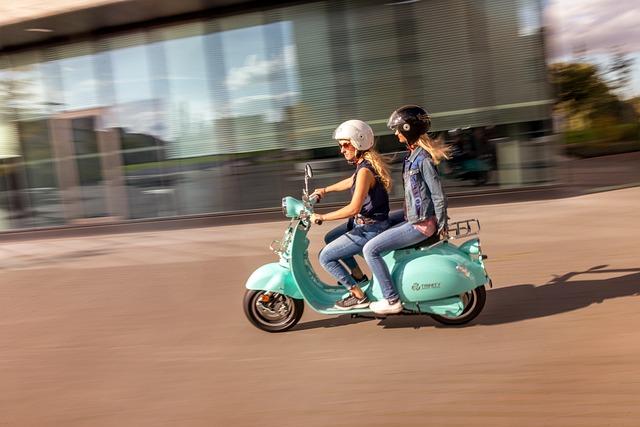
Choosing the Right Electric Motor for Your Moped
When it comes to converting your vintage moped to electric power, selecting the right electric motor is crucial in ensuring optimal performance and efficiency. Here are some key factors to consider when choosing the right electric motor for your classic ride:
- Power Rating: Consider the power output you need based on your riding preferences and terrain.
- Motor Size: Ensure the motor will fit properly in the existing space of your moped without extensive modifications.
- Efficiency: Look for a motor that offers high efficiency to maximize battery life and range.
- Compatibility: Make sure the motor is compatible with your battery system and controllers for seamless integration.
By carefully evaluating these factors and conversion, you can enjoy a revived classic ride with the benefits of electric power.

Benefits of Converting to Electric Power
Converting your vintage moped to electric power can bring a whole new life to your classic ride. Not only will you be reducing your carbon footprint, but you’ll also enjoy a range of other benefits that come with electric power. Here are some of the top advantages of converting to electric:
- Environmentally Friendly: Electric power is clean and green, producing zero emissions. By converting to electric, you’ll be doing your part to help protect the environment.
- Cost-Effective: Electric power is more cost-effective than gas – you’ll save money on fuel in the long run and enjoy lower maintenance costs.
- Quiet Operation: Electric motors are much quieter than traditional gas engines, providing a smoother and more peaceful ride.
- Instant Torque: Electric motors deliver instant torque, providing faster acceleration and a more responsive ride.
Understanding Battery Options for Your Conversion
One of the key components to consider when converting your vintage moped to electric power is the battery options available to you. Choosing the right battery is crucial for maximizing the performance and efficiency of your electric conversion. There are several factors to consider when selecting a battery, including capacity, voltage, size, weight, and cost.
**Lead-Acid Batteries:**
– **Pros:** Affordable, readily available, and reliable.
– **Cons:** Heavy, have limited cycle life, and lower energy density compared to other battery types.
**Lithium-Ion Batteries:**
– **Pros:** Lightweight, high energy density, longer cycle life, and faster charging times.
– **Cons:** More expensive upfront cost, may require specialized charging equipment, and potential safety concerns if mishandled or damaged.
When considering battery options for your conversion, it’s important to determine your budget, desired range, and charging preferences. Researching and comparing different battery types will help you make an informed decision that meets your specific needs and goals for your vintage moped electric conversion.
Step-by-Step Guide for a Successful Conversion Process
Removing the Engine
First, you will need to remove the engine from your vintage moped. This can be a challenging task, so make sure you have the necessary tools and equipment. You will need to disconnect the fuel line, exhaust pipe, and electrical connections before removing the engine from the frame.
Installing the Electric Motor
Once the engine is removed, it’s time to install the electric motor. Choose a high-quality electric motor that is compatible with your vintage moped. Secure the motor to the frame using mounting brackets and ensure that all electrical connections are properly connected.
Adding the Battery Pack
Next, you will need to add a battery pack to power the electric motor. Choose a lithium-ion battery pack that is lightweight and provides sufficient power for your moped. Install the battery pack securely to the frame, making sure it is easily accessible for charging.
Testing and Fine-Tuning
Before hitting the road, it’s important to test your electric conversion and fine-tune any issues that may arise. Test the motor, battery pack, and electrical connections to ensure everything is working properly. Make any necessary adjustments before taking your newly converted vintage moped for a ride!

Upgrading Your Moped’s Electrical System for Safety
When it comes to upgrading your vintage moped’s electrical system for safety, there are a few key factors to consider. One of the main reasons to convert your classic ride to electric power is the reliability and efficiency it offers compared to traditional gas-powered systems. By making the switch, you can enjoy a smoother and quieter ride without compromising on performance.
One important aspect of upgrading your moped’s electrical system is ensuring that you have the right components in place. This includes a high-quality battery, controller, and motor that are compatible with your moped’s frame and design. Investing in reliable components will not only improve the safety of your ride but also provide a longer lifespan for your electric system.
Another critical consideration is the wiring and connections of your new electrical system. It is essential to have a well-organized and properly insulated wiring layout to prevent electrical malfunctions or shorts. Make sure to double-check all connections and use heat shrink tubing or electrical tape to secure them in place. Additionally, consider adding a fuse or circuit breaker to protect your system from power surges and overloads.
In conclusion, upgrading your vintage moped’s electrical system for safety is a worthwhile investment that can enhance the overall performance and reliability of your classic ride. By following these tips and ensuring that you have the right components and wiring in place, you can enjoy a safer and more enjoyable riding experience with your electric-powered moped.
Comparing DIY Conversion vs Professional Conversion Services
When considering converting your vintage moped to electric power, you may be faced with the decision of whether to take on the project yourself or hire a professional conversion service. Both options have their pros and cons, so it’s important to weigh them carefully before making a decision.
- DIY Conversion: This option is great for those who are handy with tools and enjoy a good DIY project. It allows you to have complete control over the conversion process and can be a rewarding experience. However, it does require a good amount of time, effort, and expertise to ensure it is done correctly.
- Professional Conversion Services: Opting for a professional conversion service can save you time and potentially ensure a higher quality conversion. Professional services have the expertise and tools needed to perform the conversion efficiently and effectively. However, it can be more costly than a DIY approach.
Ultimately, the decision between DIY and professional conversion services will depend on your level of skill, available time, and budget. If you are confident in your abilities and enjoy hands-on projects, tackling the conversion yourself may be the way to go. On the other hand, if you prefer to leave it to the experts and have the budget to do so, a professional conversion service could be the best option for you.
Taking Your Electric Moped for a Test Ride and Troubleshooting Issues
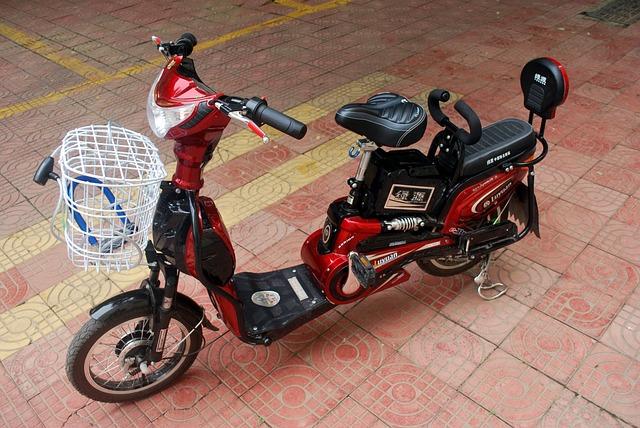
When taking your electric moped for a test ride, it’s important to first familiarize yourself with the controls and settings. Make sure the battery is fully charged before setting out on your ride to ensure optimal performance. Once you’re ready to hit the road, start off slowly to get a feel for the electric power and acceleration of your moped.
Troubleshooting Issues:
- If you encounter any issues during your test ride, such as strange noises or a loss of power, there are a few things you can check:
- Make sure the battery is securely connected and fully charged.
- Inspect the tires for proper inflation and any signs of damage.
- Check the brakes to ensure they are functioning correctly.
By following these steps and staying vigilant during your test ride, you can ensure a smooth and enjoyable experience with your vintage moped electric conversion. Remember, troubleshooting issues may arise, but with a little know-how, you’ll be back on the road in no time!
The Way Forward
In conclusion, upgrading your vintage moped with electric power is a fantastic way to breathe new life into a classic ride. Not only will you be reducing your carbon footprint, but you’ll also experience a smoother and quieter ride. Plus, you’ll save money on gas and maintenance in the long run. So why not give your trusty old moped a modern makeover? Transforming it into an electric vehicle is easier than you think, and the results are well worth it. Embrace the future of transportation while preserving the charm of the past. Happy riding!