

Are you or a loved one in need of an electric wheelchair but unsure of the process to obtain one through the NHS? Look no further! In this article, we will provide you with essential insights on how to navigate the system and secure the mobility aid you need. Stay informed and empowered- read on for all the details!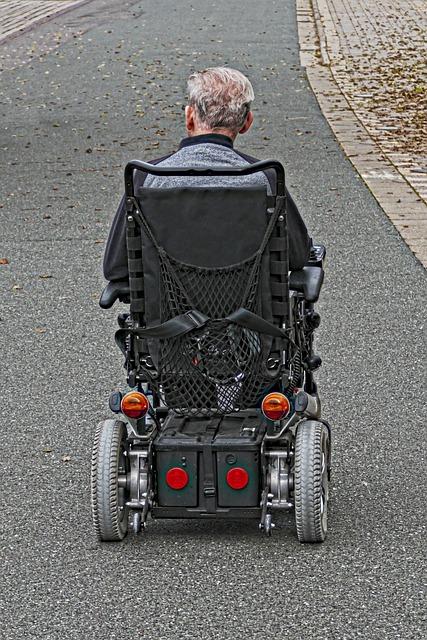
Contents
- Understanding the Eligibility Criteria for an Electric Wheelchair on the NHS
- The Process of Applying for an Electric Wheelchair on the NHS
- Factors to Consider When Choosing an Electric Wheelchair
- Tips for Making a Successful Application for an Electric Wheelchair on the NHS
- Navigating the NHS Guidelines for Electric Wheelchair Provision
- In Conclusion
- Drive Confidently: Power Wheelchair Driving Test - Mastering the Skills
- How Much for a Used Electric Wheelchair? Budget-Friendly Options!
- Cash In: Sell Your Power Wheelchair in Houston, TX, Hassle-Free
- Free Electric Wheelchairs: Where to Get Yours!
- Weighing the Options: Weight of Power Wheelchair - What You Need to Know
- Custom Wheelchair Wheels for Power Chairs: Upgrade Your Ride!
Understanding the Eligibility Criteria for an Electric Wheelchair on the NHS
Electric wheelchairs are a valuable mobility aid for individuals with disabilities, enabling them to move around independently and with ease. However, obtaining an electric wheelchair through the NHS requires meeting specific eligibility criteria. Understanding these criteria is essential for anyone considering this option.
When seeking an electric wheelchair on the NHS, it’s crucial to meet the following requirements:
- Have a long-term disability that severely affects your ability to move around
- Be unable to operate a manual wheelchair
- Have a valid medical need for an electric wheelchair
- Receive a prescription for an electric wheelchair from a healthcare professional
It’s important to note that the process of obtaining an electric wheelchair on the NHS can vary depending on individual circumstances. If you believe you meet the eligibility criteria, it’s recommended to consult with your healthcare provider to discuss your options and begin the assessment process.
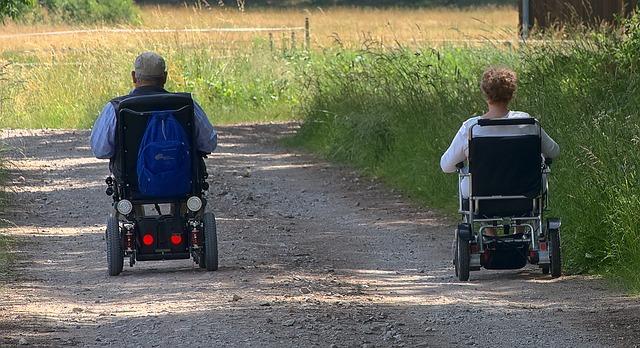
The Process of Applying for an Electric Wheelchair on the NHS
Applying for an electric wheelchair on the National Health Service (NHS) can be a beneficial process for those in need of mobility assistance. To begin the process, it is essential to first consult with your healthcare provider or a specialist who can assess your needs and determine if an electric wheelchair is the best option for you.
Once the need for an electric wheelchair has been established, your healthcare provider will help you complete an application form for the NHS wheelchair service. This form will require detailed information about your condition, mobility limitations, and why an electric wheelchair is necessary for your daily activities.
After submitting the application form, a wheelchair assessment will be scheduled to evaluate your mobility and determine the most suitable type of electric wheelchair for your needs. During this assessment, it is important to communicate openly with the assessors about your daily routines and any specific requirements you may have.
Once the assessment is complete and a decision has been made, the wheelchair service will provide you with the approved electric wheelchair. It is important to remember that the NHS wheelchair service is designed to support individuals with genuine mobility needs, so providing accurate and honest information throughout the application process is crucial for a successful outcome.
Factors to Consider When Choosing an Electric Wheelchair
include the following:
- **Weight capacity:** Ensure that the electric wheelchair can support your weight and any additional items you may carry.
- **Battery life:** Consider how long the battery will last on a single charge and if it meets your mobility needs.
- **Maneuverability:** Check the turning radius and overall maneuverability of the electric wheelchair, especially if you plan to use it indoors or in tight spaces.
- **Comfort:** Look for features such as padded seats, adjustable armrests, and backrests to ensure comfort during extended use.
In addition to these factors, it’s important to consult with a healthcare professional or mobility specialist to ensure that the electric wheelchair meets your specific needs and requirements. It’s also a good idea to test out different models before making a decision to find the best fit for you. By considering these factors, you can make an informed choice when selecting an electric wheelchair through the NHS.
| Brand | Weight Capacity | Battery Life |
|---|---|---|
| Model A | 250 lbs | Up to 10 miles |
| Model B | 300 lbs | Up to 15 miles |
| Model C | 350 lbs | Up to 20 miles |
Tips for Making a Successful Application for an Electric Wheelchair on the NHS
When applying for an electric wheelchair on the NHS, it’s important to keep in mind a few key tips to increase your chances of success. Here are some essential insights to help guide you through the process:
- Provide thorough documentation: Make sure to gather all relevant medical records, assessments, and supporting documents to demonstrate the necessity of an electric wheelchair for your mobility needs.
- Be clear and concise: When filling out the application forms, be detailed in explaining how your condition impacts your daily life and why an electric wheelchair is essential for improving your quality of life.
- Seek guidance from healthcare professionals: Consult with your healthcare provider or occupational therapist for assistance in completing the application and obtaining the necessary medical evidence.

When it comes to , there are several essential insights to keep in mind. Understanding the process can help you access the mobility aid you need in a timely manner. Here are some key points to consider:
- Consultation with healthcare professionals: Your first step should be to discuss your mobility needs with your GP or another healthcare provider. They can assess your requirements and determine if an electric wheelchair is necessary.
- Evidence of need: In order to qualify for an electric wheelchair through the NHS, you will need to provide evidence of your mobility limitations. This may include medical records, assessments, and recommendations from healthcare professionals.
- Assessment by wheelchair services: Once your need for an electric wheelchair has been established, you will be referred to wheelchair services for an assessment. During this assessment, your seating and mobility requirements will be evaluated to ensure the most suitable wheelchair is provided.
- Choosing the right wheelchair: After the assessment, you will be presented with options for electric wheelchairs that meet your needs. It’s important to work closely with the wheelchair services team to select a wheelchair that is safe, comfortable, and meets your mobility requirements.
In Conclusion
In conclusion, getting an electric wheelchair on the NHS can be a daunting process, but with the right information and preparation, it is accessible to those in need. Remember to consult with your healthcare provider and gather all necessary documentation to support your request. Be patient and persistent, as the process may take some time. Most importantly, never hesitate to advocate for yourself and your mobility needs. Your well-being and independence are paramount. Don’t give up until you receive the assistance you deserve. We hope this article has provided you with the essential insights to navigate the system effectively. Best of luck on your journey to obtaining an electric wheelchair through the NHS. Stay strong and don’t be afraid to reach out for support along the way. Your mobility matters!