

When it comes to road safety, knowing the rules and regulations for using electric bikes in bike lanes is crucial. Are electric bikes allowed legally in bike lanes? Let’s dive into the laws and guidelines to ensure a smooth and safe ride for all cyclists.
Contents
- Safety Concerns Surrounding Electric Bikes in Bike Lanes
- Benefits of Allowing Electric Bikes in Bike Lanes
- Recommendations for Implementing Electric Bikes in Bike Lanes
- Enforcement Challenges for Electric Bikes in Bike Lanes
- In Summary
- Pedal Power: Can You Convert a Pedal Bike to Electric?
- Helmet for Electric Bike: Protect Your Most Important Asset
- Freedom of Choice: Freeforce Electric Bike Review
- Bike Rack for Electric Bike: Transport Your Ride Anywhere
- Power Up: LiFePO4 Battery for Electric Bike – Reliable Energy for Your Adventures!
- Best Electric Bike for Teen: Start Their Adventure Early
Safety Concerns Surrounding Electric Bikes in Bike Lanes
Electric bikes have become increasingly popular in recent years, providing a convenient and eco-friendly mode of transportation for many individuals. However, the use of electric bikes in bike lanes has raised some safety concerns among cyclists and pedestrians alike.
One of the main issues surrounding electric bikes in bike lanes is their speed. Electric bikes can reach higher speeds than traditional bicycles, which can pose a danger to other cyclists and pedestrians sharing the same space. This has led to calls for regulations regarding the use of electric bikes in bike lanes to ensure the safety of all road users.
Currently, the legality of electric bikes in bike lanes varies depending on the jurisdiction. While some areas have specific regulations allowing electric bikes in bike lanes, others categorize them as motor vehicles and prohibit their use in bike lanes. It is important for electric bike riders to familiarize themselves with the local laws and regulations to avoid fines or potential accidents.
Overall, the debate surrounding the use of electric bikes in bike lanes highlights the need for clear guidelines and regulations to ensure the safety of all road users. As the popularity of electric bikes continues to grow, it is crucial for policymakers to address these safety concerns and create a harmonious environment for all types of cyclists.
Benefits of Allowing Electric Bikes in Bike Lanes
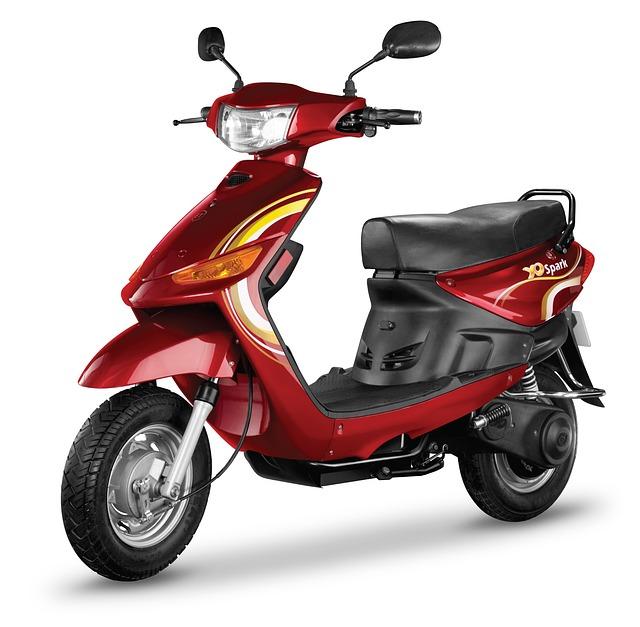
Allowing electric bikes in bike lanes can have numerous benefits for both cyclists and the overall community. Here are some of the key advantages:
- Reduced Traffic Congestion: By allowing electric bikes in bike lanes, more people may choose to commute via bicycle instead of driving, leading to reduced traffic congestion on the roads.
- Improved Air Quality: Electric bikes produce zero emissions, which can help to improve air quality in urban areas where pollution levels are a concern.
- Encourages Physical Activity: Allowing electric bikes in bike lanes can encourage more people to engage in physical activity and lead a healthier lifestyle.
- Enhanced Safety: Electric bikes traveling at lower speeds than traditional motor vehicles can help to create a safer environment for cyclists and pedestrians sharing the road.
Recommendations for Implementing Electric Bikes in Bike Lanes
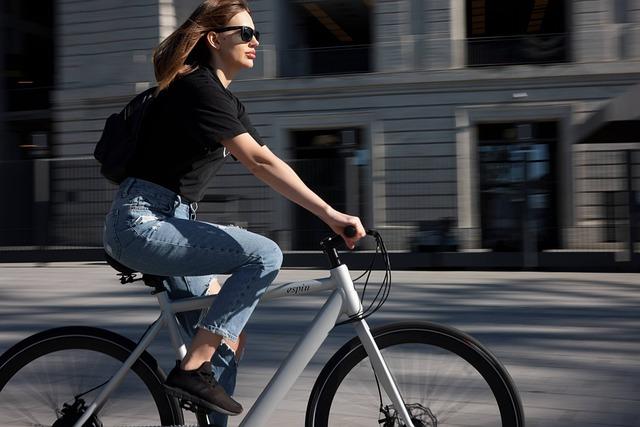
When it comes to road safety, the debate over whether electric bikes are allowed in bike lanes legally is a hot topic. To clear up any confusion, here are some :
- Stay Informed: Before hitting the road with your electric bike, make sure you are aware of the local laws and regulations regarding their use in bike lanes.
- Share the Space: Be mindful of other cyclists and pedestrians using the bike lane. Electric bikes can travel at higher speeds, so it is important to share the space responsibly.
- Follow Traffic Rules: Just like any other vehicle, electric bikes must follow traffic rules and signals. This includes stopping at red lights, yielding to pedestrians, and signaling before turning.
By adhering to these recommendations, you can help ensure the safety of yourself and others while using electric bikes in bike lanes.

Enforcement Challenges for Electric Bikes in Bike Lanes
One of the most pressing issues facing road safety today is the enforcement challenges surrounding electric bikes in bike lanes. With the rise in popularity of electric bikes as a mode of transportation, questions have arisen about their legality in bike lanes. While electric bikes offer a convenient and eco-friendly way to get around, their presence in bike lanes has raised concerns about safety and the potential for accidents.
One of the main challenges with enforcing the rules around electric bikes in bike lanes is the lack of clear regulations. In many jurisdictions, electric bikes fall into a legal grey area, with laws varying from place to place. This inconsistency makes it difficult for both cyclists and law enforcement to know what is allowed and what is not.
Another challenge is the difficulty in distinguishing between different types of electric bikes. Some electric bikes can reach speeds comparable to mopeds, while others are limited to much lower speeds. This variability makes it hard to enforce speed limits in bike lanes and ensure the safety of all users.
Ultimately, addressing these enforcement challenges will require a coordinated effort between lawmakers, law enforcement, and cyclists themselves. Clear and consistent regulations, education campaigns, and improved infrastructure are all essential to ensuring the safety of all road users, regardless of their mode of transportation.
In Summary
In conclusion, it is important to understand the rules and regulations regarding electric bikes in bike lanes to ensure road safety for all users. While laws may vary depending on your location, make sure to check with your local authorities to see if electric bikes are allowed in bike lanes legally. Remember, safety should always be the top priority when riding any type of bike on the road. By knowing and following the rules, we can all contribute to a safer and more enjoyable biking experience for everyone. Happy riding!