

Hoverboards have revolutionized personal transportation, offering a fun and eco-friendly way to get around. However, mastering hoverboard navigation can be a bit tricky for beginners. In this article, we will provide you with expert tips and techniques on how to control a hoverboard like a pro. So buckle up and get ready to ride like never before!
Contents
- Overview of Hoverboard Navigation
- Understanding Your Hoverboard Controls
- Mastering Basic Hoverboard Movements
- Steering Your Hoverboard
- Accelerating and Braking
- Practicing Balancing and Turning Techniques
- Navigating Different Terrain Types on a Hoverboard
- Learning Advanced Hoverboard Maneuvers
- Introduction
- Mastering Hoverboard Navigation
- Table of Advanced Maneuvers
- Tips for Controlling Speed and Braking Safely
- Navigating Through Crowded Areas with Ease
- Utilizing Hoverboard Features for Smooth Navigation
- Common Mistakes to Avoid While Controlling a Hoverboard
- Refining Your Hoverboard Skills Through Regular Practice
- To Wrap It Up
- Budget-Friendly Fun: Best Inexpensive Hoverboard - Explore Now
- No Limits: Hoverboard with High Weight Limit Available Now
- Why Does Hoverboard Beep? Understanding Common Issues and Solutions
- Revolutionize Your Ride: Hoverboard with the Seat Attachment
- Enhance Your Ride: Horse Attachment for Hoverboard Now Available
- Ride in Comfort: Exploring Hoverboard with Seat and Handles
Navigating a hoverboard can seem intimidating at first, but with practice and patience, you can master the art of control. The key to controlling a hoverboard lies in understanding how to shift your weight and use your body to steer.
To control a hoverboard effectively, follow these essential tips:
- Keep your body weight centered and balanced to maintain control and stability.
- Lean forward slightly to move forward and increase speed.
- Lean back gently to slow down or stop.
- Use your feet to pivot and turn by applying pressure on one foot while keeping the other stationary.
Additionally, familiarize yourself with the different modes of navigation on your hoverboard, such as beginner, intermediate, and expert modes. These modes adjust the sensitivity of the hoverboard, making it easier or more challenging to control based on your skill level.
With practice and perseverance, you’ll soon be confidently gliding around on your hoverboard, effortlessly navigating your way through various terrains and obstacles. Don’t be discouraged by initial challenges – mastering hoverboard navigation is a rewarding experience that will enhance your overall riding enjoyment.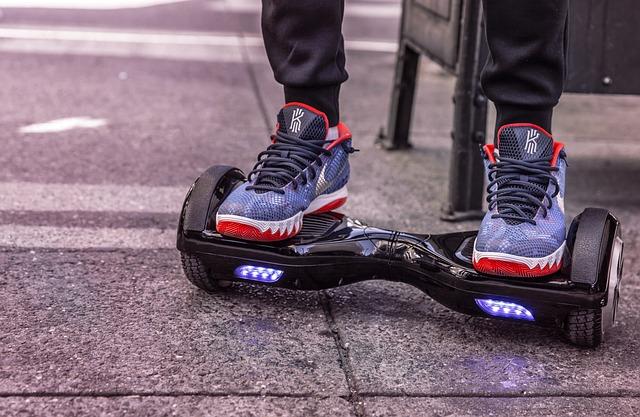
Understanding Your Hoverboard Controls
Hoverboards are a fun and convenient way to get around, but mastering the controls can be a bit tricky at first. Understanding how to navigate your hoverboard is essential for a smooth and safe ride. Here are some tips on how to control your hoverboard like a pro:
- Master the balance: The key to controlling a hoverboard is finding and maintaining your balance. Make sure to stand straight with your feet shoulder-width apart to distribute your weight evenly.
- Practice turning: To turn on a hoverboard, simply lean in the direction you want to go. Start by making gentle turns to get the hang of it, and gradually increase your speed as you become more comfortable.
- Use the footpads: Most hoverboards come equipped with footpads that are used to control acceleration, braking, and turning. Press your toes to move forward, lean your heels to go backward, and tilt one foot slightly to turn.
- Start slow: If you’re new to hoverboarding, start at a slow speed until you feel confident in your ability to control the device. Practice in a safe and open area free from obstacles and distractions.
| Action | Movement |
|---|---|
| Press toes | Move forward |
| Lean heels | Move backward |
| Tilt one foot | Turn |

Mastering Basic Hoverboard Movements
Steering Your Hoverboard
When it comes to , one of the most essential skills to learn is how to steer your hoverboard effectively. To steer your hoverboard, simply shift your weight slightly in the direction you want to go. For example, if you want to turn left, lean your body to the left. The more you lean, the sharper the turn will be.
It’s important to remember that steering a hoverboard is all about balance. Make sure to keep your body centered and your feet parallel to each other to maintain control. Practice steering in open, flat areas before attempting more challenging terrain.
Accelerating and Braking
Another crucial aspect of mastering hoverboard navigation is learning how to accelerate and brake smoothly. To accelerate, simply lean forward slightly and to brake, lean back gently. The more you lean, the faster you will go or come to a stop. Remember to start off slowly and gradually increase your speed as you gain confidence.
Practice accelerating and braking in a safe, open space to get a feel for how your hoverboard responds. Always be aware of your surroundings and use caution when speeding up or coming to a stop.

Practicing Balancing and Turning Techniques
When it comes to controlling a hoverboard, mastering balancing and turning techniques is crucial. These skills will not only help you navigate your hoverboard safely but also allow you to perform tricks and maneuvers with ease.
Here are some tips to help you improve your hoverboard navigation:
- Practice makes perfect: Spend time practicing basic balancing exercises to strengthen your core muscles and improve your stability on the hoverboard.
- Lean into turns: When turning on a hoverboard, shift your weight in the direction you want to go. This will help you make smooth and controlled turns without losing balance.
- Avoid sudden movements: Make gradual movements when steering and avoid jerking the hoverboard abruptly. Smooth transitions will help you maintain control and prevent falls.
| Turning Technique | Effectiveness |
|---|---|
| Lean into turns | Highly effective |
| Sudden movements | Not recommended |
By practicing these balancing and turning techniques regularly, you’ll soon feel more confident and in control while riding your hoverboard. Remember to always wear appropriate safety gear and ride responsibly.

Hoverboards are a fun and convenient way to get around, but navigating different terrain types can be a bit tricky. To master hoverboard navigation, you need to have a good understanding of how to control your board effectively. Here are some tips to help you navigate different terrain types like a pro:
**Grass:** When riding on grass, it’s important to lean forward slightly to help the hoverboard glide smoothly. Keep your weight centered and make gentle turns to avoid losing balance. Be prepared for a slightly slower ride compared to smoother surfaces.
**Sidewalks:** On sidewalks, you can ride at a faster pace since the surface is usually smooth. Make sure to watch out for cracks and bumps that could throw off your balance. Practice turning on sidewalks to get comfortable navigating tighter spaces.
**Gravel:** Gravel can be challenging to navigate on a hoverboard, so approach it with caution. Slow down your speed and distribute your weight evenly to avoid slipping. Try to find a smoother path if possible.
**Pavement:** Pavement is the ideal surface for hoverboard riding, allowing you to move quickly and smoothly. Take advantage of the smooth surface to practice more advanced maneuvers like spins and sharp turns. Enjoy the ride and feel the wind in your hair as you cruise around effortlessly.
| Terrain Type | Control Tips |
|---|---|
| Grass | Lean forward slightly, make gentle turns |
| Sidewalks | Ride at a faster pace, watch for cracks and bumps |
| Gravel | Slow down, distribute weight evenly |
| Pavement | Practice advanced maneuvers, enjoy the ride |
Learning Advanced Hoverboard Maneuvers
Introduction
Once you have mastered the basics of riding a hoverboard, it’s time to take your skills to the next level by learning advanced maneuvers. These maneuvers will not only impress your friends but also improve your overall control and navigation on your hoverboard.
One of the key aspects of controlling a hoverboard is mastering navigation. To do this effectively, you must practice the following advanced maneuvers:
- 360 Degree Spin: Practice rotating your hoverboard in a complete circle while maintaining your balance. This will improve your agility and control.
- Figure-Eight Turns: Maneuver your hoverboard in a figure-eight pattern, alternating between left and right turns. This will help you navigate tight spaces with ease.
- Sharp Turns: Practice making sharp turns by shifting your weight and using your feet to guide the hoverboard. This will improve your responsiveness and agility on the board.
Table of Advanced Maneuvers
| Maneuver | Description |
|---|---|
| 360 Degree Spin | Rotate hoverboard in a complete circle to improve agility. |
| Figure-Eight Turns | Navigate hoverboard in a figure-eight pattern to maneuver tight spaces. |
| Sharp Turns | Practice making sharp turns to improve responsiveness and agility. |

Tips for Controlling Speed and Braking Safely
To effectively control a hoverboard and navigate safely, it is crucial to master the art of speed control and braking. Here are some tips to help you maneuver your hoverboard with ease:
- Lean forward to accelerate: To increase speed, lean forward slightly on your hoverboard. The more you lean, the faster you will go. Remember to maintain a balanced posture to avoid losing control.
- Lean back to slow down: When you need to reduce your speed or come to a stop, lean back on your heels. This action will engage the braking system of the hoverboard and gradually bring you to a halt.
- Practice in open spaces: Before hitting the streets or crowded areas, practice controlling your hoverboard in open spaces like parks or empty parking lots. This will help you get comfortable with the handling of the device.
- Master turning techniques: To navigate corners and turns smoothly, practice shifting your weight to the direction you want to go. Use gentle movements to avoid sudden jerks or losing balance.
By following these tips and practicing regularly, you will soon become a pro at controlling your hoverboard and cruising around with confidence and safety.
on a hoverboard requires mastering the art of hoverboard navigation. By controlling your hoverboard effectively, you can smoothly maneuver through tight spaces and bustling crowds without feeling overwhelmed. Here are some essential tips to help you become a pro at controlling your hoverboard:
- Master your balance: The key to navigating crowded areas on a hoverboard is maintaining your balance at all times. Practice standing still on your hoverboard and shifting your weight to move in different directions.
- Practice turning: Turning smoothly is crucial when navigating through crowded areas. Lean into the direction you want to turn, using your body’s natural movements to steer the hoverboard.
- Avoid sudden stops: Abrupt stops can cause accidents in crowded spaces. Practice braking gradually to come to a smooth stop without jolting.
By honing your hoverboard control skills, you’ll be able to glide effortlessly through crowded areas with confidence and ease. Remember to always prioritize safety and be mindful of those around you as you navigate on your hoverboard.
One of the key factors in mastering hoverboard navigation is understanding and utilizing the various features that come with your hoverboard. From basic navigation to advanced maneuvers, knowing how to control your hoverboard effectively is essential for a smooth and enjoyable ride.
To start, familiarize yourself with the basic controls of your hoverboard. Use your feet to control the direction of the board by leaning forward to move forward and leaning back to slow down or stop. Keep your body centered and balanced to maintain stability while riding.
Take advantage of the different modes and settings that may be available on your hoverboard. These can include beginner, intermediate, and advanced modes to suit your skill level. Experiment with these settings to find the right balance of speed and control for your comfort.
Additionally, practice different maneuvers such as making sharp turns, riding uphill, and even spinning in place. The more you practice and experiment with your hoverboard, the more confident and skilled you will become in navigating various terrains and obstacles. With time and practice, you’ll be able to master hoverboard navigation with ease and precision.
Common Mistakes to Avoid While Controlling a Hoverboard
When it comes to controlling a hoverboard, there are several common mistakes that beginners often make. By avoiding these errors, you’ll be able to navigate your hoverboard with ease and confidence.
One common mistake to avoid is leaning too far forward or backward. This can cause you to lose control of the hoverboard and potentially fall off. Instead, try to maintain a balanced stance with your weight evenly distributed over the board.
Another mistake is trying to accelerate too quickly. Gradually increase your speed to get a feel for how the hoverboard responds to your movements. Sudden acceleration can lead to accidents and injuries.
It’s also important to avoid making sharp turns at high speeds. This can throw off your balance and make it difficult to control the hoverboard. Practice making gentle turns at a slower pace to improve your maneuverability.
Refining Your Hoverboard Skills Through Regular Practice
Whether you’re a beginner or an experienced rider, is essential to becoming a master of hoverboard navigation. Here are some tips to help you control your hoverboard with ease:
- Find Your Balance: Proper balance is key to controlling a hoverboard. Stand with your feet shoulder-width apart and distribute your weight evenly.
- Start Slow: Begin by moving forward at a slow speed to get a feel for how the hoverboard responds to your movements.
- Practice Turning: To turn left or right, shift your weight in the desired direction while leaning slightly in that direction.
- Master Stopping: To stop, lean back slightly and apply pressure to the foot pedals until the hoverboard comes to a complete stop.
| Tip | Description |
|---|---|
| Keep a Safe Distance | Avoid obstacles and maintain a safe distance from other riders or pedestrians. |
| Be Mindful of Terrain | Be aware of the surface you’re riding on to adjust your speed and balance accordingly. |
To Wrap It Up
In conclusion, mastering hoverboard navigation is all about practice, patience, and proper technique. By following the key tips mentioned in this article, such as maintaining your balance, easing into turns, and being mindful of your surroundings, you will be well on your way to controlling your hoverboard like a pro. Remember, safety always comes first, so make sure to wear your protective gear and ride responsibly. With time and dedication, you will soon be gliding effortlessly on your hoverboard with confidence and ease. Happy riding!